 English
 Français
  Deutsch
  Español
  Italiano
 How to pick your Canary island
Fuerteventura, Lanzarote, Tenerife or Gran Canaria: which fits your level, season and travel style.
Read guide →
Seven volcanic islands. Atlantic swell from October to April. Trade winds the rest of the year. Pick the island, not just the trip.
Seven volcanic islands. Atlantic swell from October to April. Trade winds the rest of the year. Pick the island, not just the trip.
Fuerteventura runs on wind. Long sandy beaches, reef and beach breaks, and the steadiest year-round forecast in Europe. Best for surfers who also pack a kite or a wing.
Lanzarote is the surf island. Famara holds size all winter, Quemao breaks on heavy reef, and the volcanic backdrop gives the place a Mars-meets-Atlantic look. Best for committed surfers.
Tenerife and Gran Canaria sit deeper in the chain, with their own urban surf scenes around Las Palmas and Santa Cruz. Different vibe, same Atlantic.
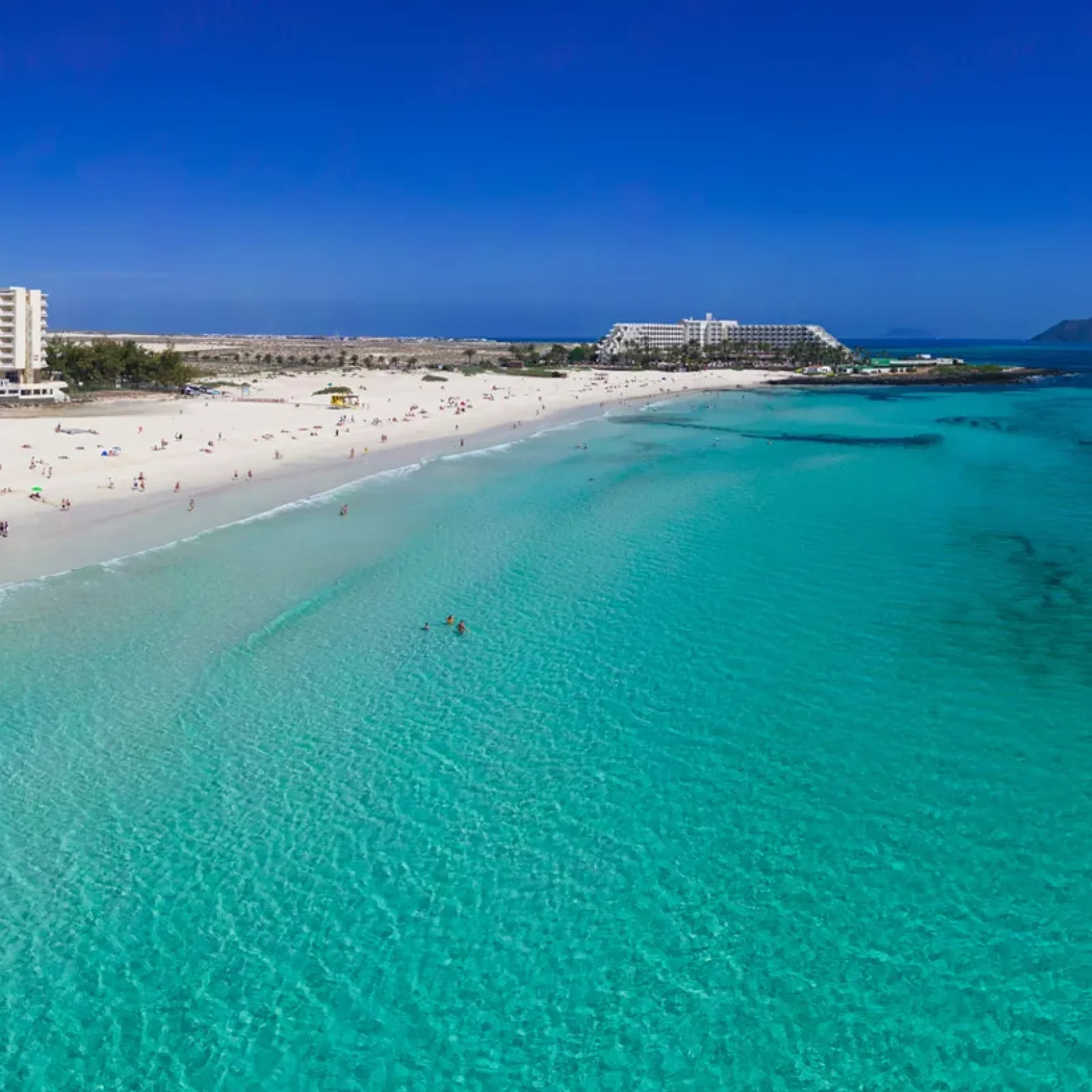
Fuerteventura, Lanzarote, Tenerife or Gran Canaria: which fits your level, season and travel style.
Read guide →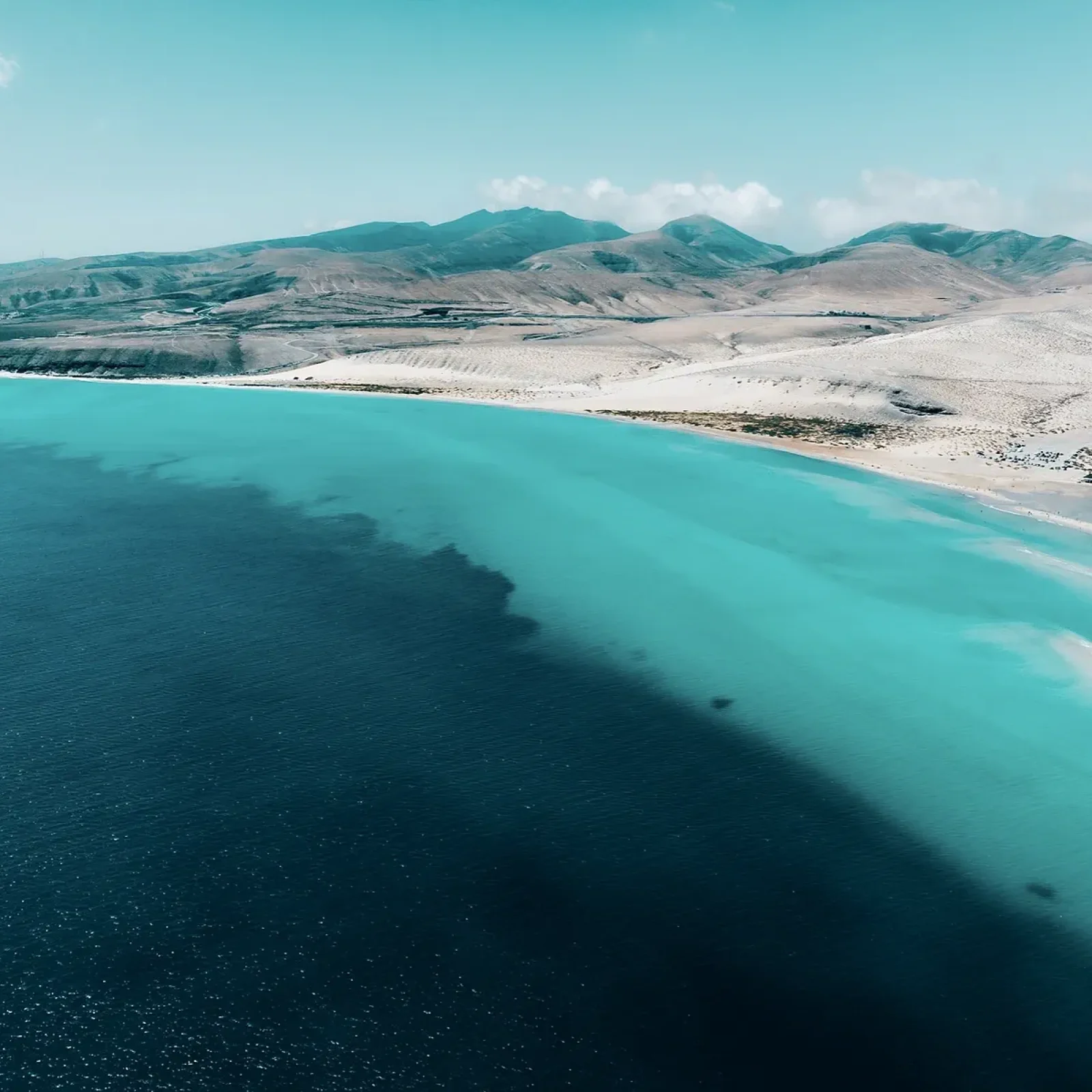
From beginner sand at Cotillo to heavy reef at Generosa, plus the alisios that shape the season.
Read guide →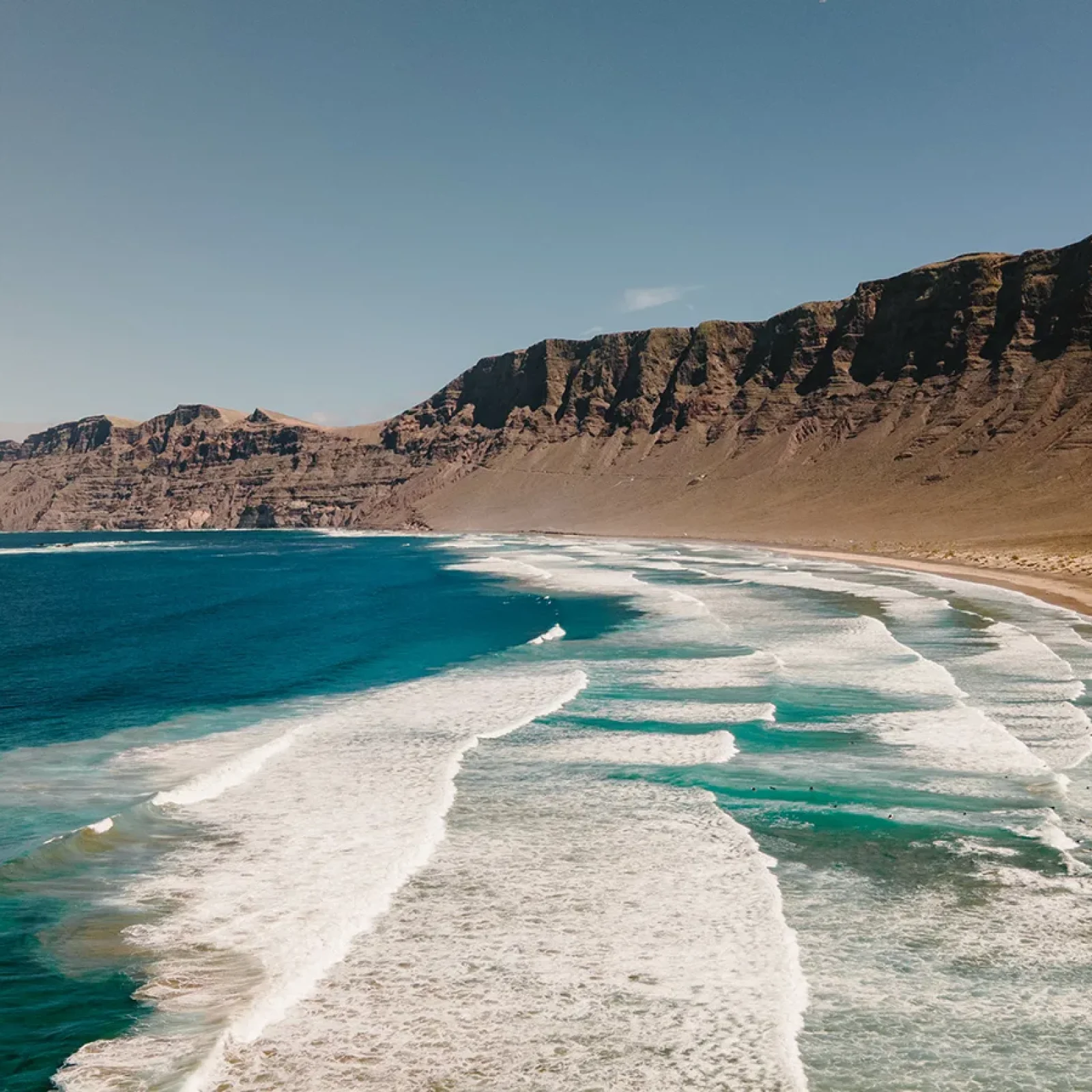
Famara beach for all levels, El Quemao for heavy left reef, plus seasons and safety.
Read guide →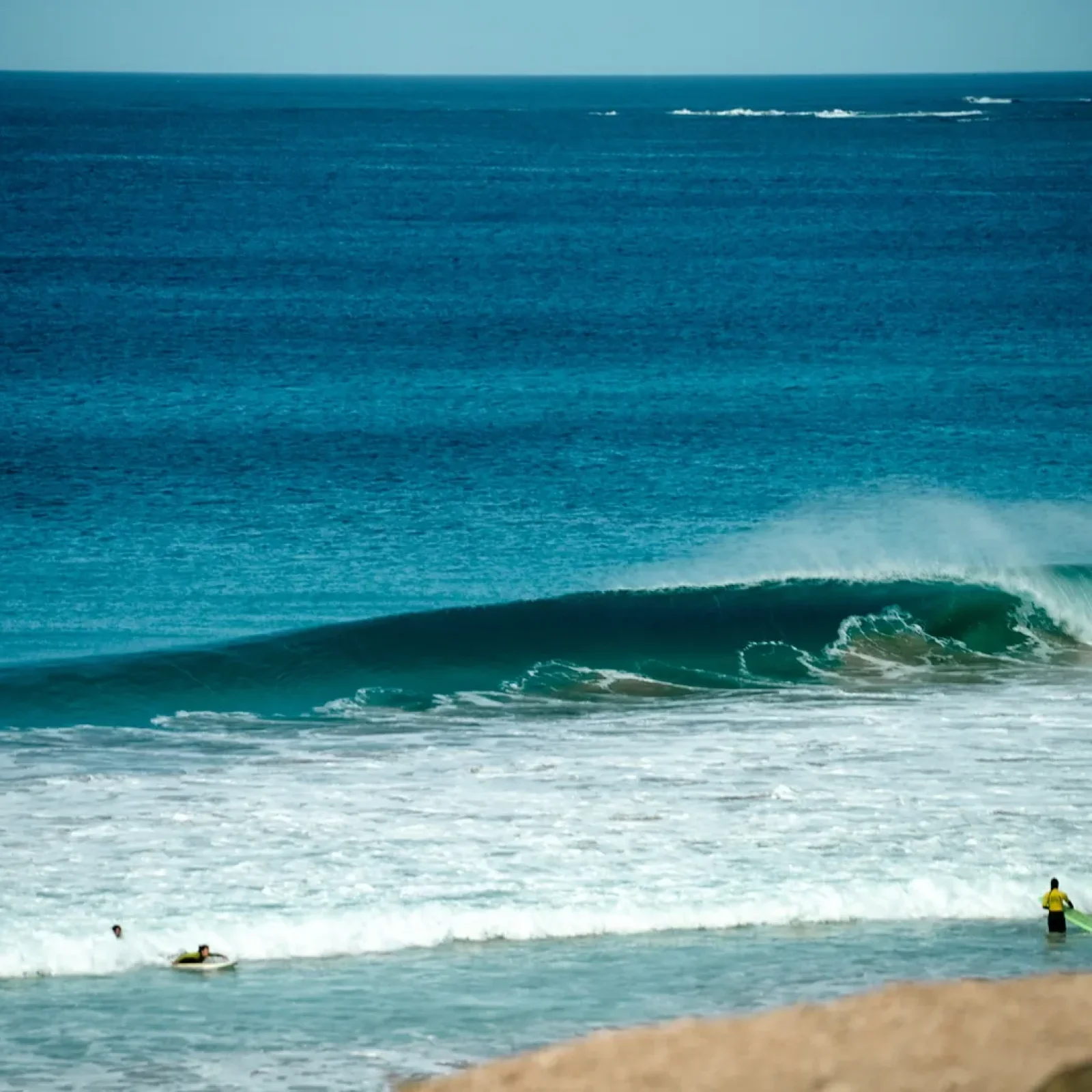
Sotavento lagoon for freestyle, Flag Beach for waves, trade-wind season from June to September.
Read guide →October to April for size and consistency. May to September drops in swell but stays warm, ideal for learners and wind sports.
From €150 / 2 nights at International Surf School Fuerteventura. Tapas dinner in a local bar: €12.
Daily flights from London, Berlin, Madrid, Paris. Fuerteventura, Lanzarote, Tenerife, Gran Canaria all have international airports.
All levels. Fuerteventura north beach breaks suit beginners, Lanzarote reefs reward intermediates, El Quemao is a step up.
North Atlantic winter swell hits all four islands. Trade winds (alisios) blow June to September, perfect for kites and wings.
Papas arrugadas with mojo verde. Fresh fish (vieja, cherne) at port tabernas. Canarian wine (Malvasía) from Lanzarote vineyards.
Camps across Fuerteventura and Lanzarote, ready to book with real prices.
See Canary Islands Surf CampsThey suit different surfers. Fuerteventura has longer sandy beaches and more wind, ideal for learners, kiters, and consistent year-round sessions. Lanzarote has heavier reef breaks (Famara, El Quemao, San Juan) that come alive in winter. If you want to learn or also kitesurf, pick Fuerteventura. If you want to challenge a winter reef, pick Lanzarote.
Three solid options: Fuerteventura north (Corralejo and El Cotillo beach breaks), Famara beach in Lanzarote (long whitewater rolls, gentle slope), and Las Palmas city beach in Gran Canaria. All work in summer and shoulder season when swell drops to surf-school size.
November to February for size. The Atlantic delivers reliable head-high to overhead swell, the air stays around 20°C, and winter crowds are still smaller than mainland Europe. October and March are excellent compromise months: less crowded, water still 21°C, swell still consistent.
A 3/2 covers most of the year. Water sits between 19°C (Feb to Apr) and 23°C (Aug to Oct). Locals often wear a 2mm shorty in summer. Bring booties for the volcanic reef at El Quemao.
Inter-island flights (Binter Canarias) run hourly, 30 minutes between any pair, around €60 one-way. Ferries (Naviera Armas, Fred Olsen) take 1 to 2 hours between Fuerteventura and Lanzarote, longer to Tenerife and Gran Canaria. Most surfers pick one island per trip and stay put.
Spain politically (Spanish autonomous region), Africa geographically (100 km off Morocco). Currency is Euro, language is Spanish, the time zone matches Lisbon. Visa rules follow Schengen.
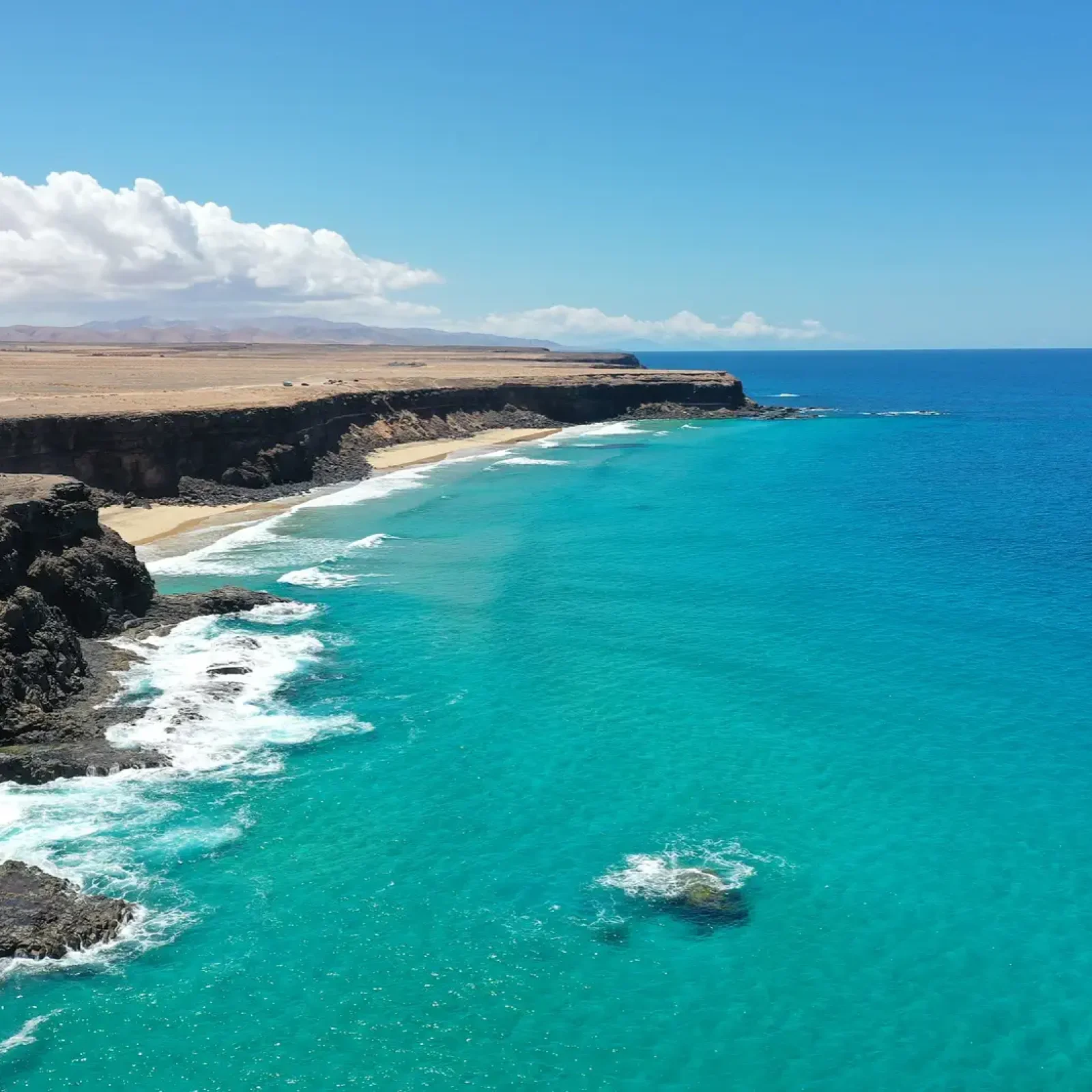
The wind island. 150 km of Atlantic coast, sand-bottom beach breaks in the north, reef setups around El Cotillo, and trade winds that almost never quit.
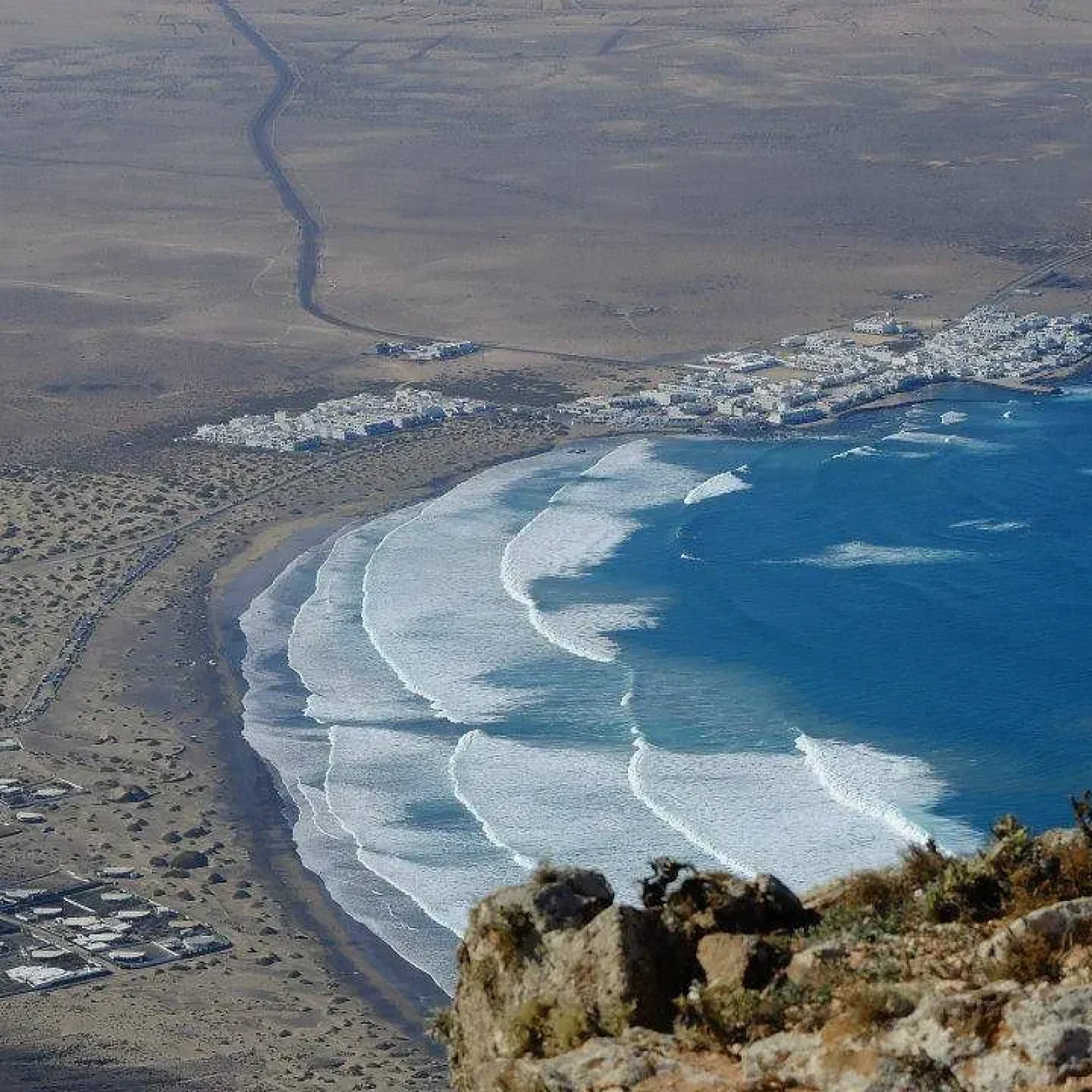
The surf island. Famara holds size all winter, El Quemao breaks on heavy reef, and the volcanic backdrop turns every session into a postcard.
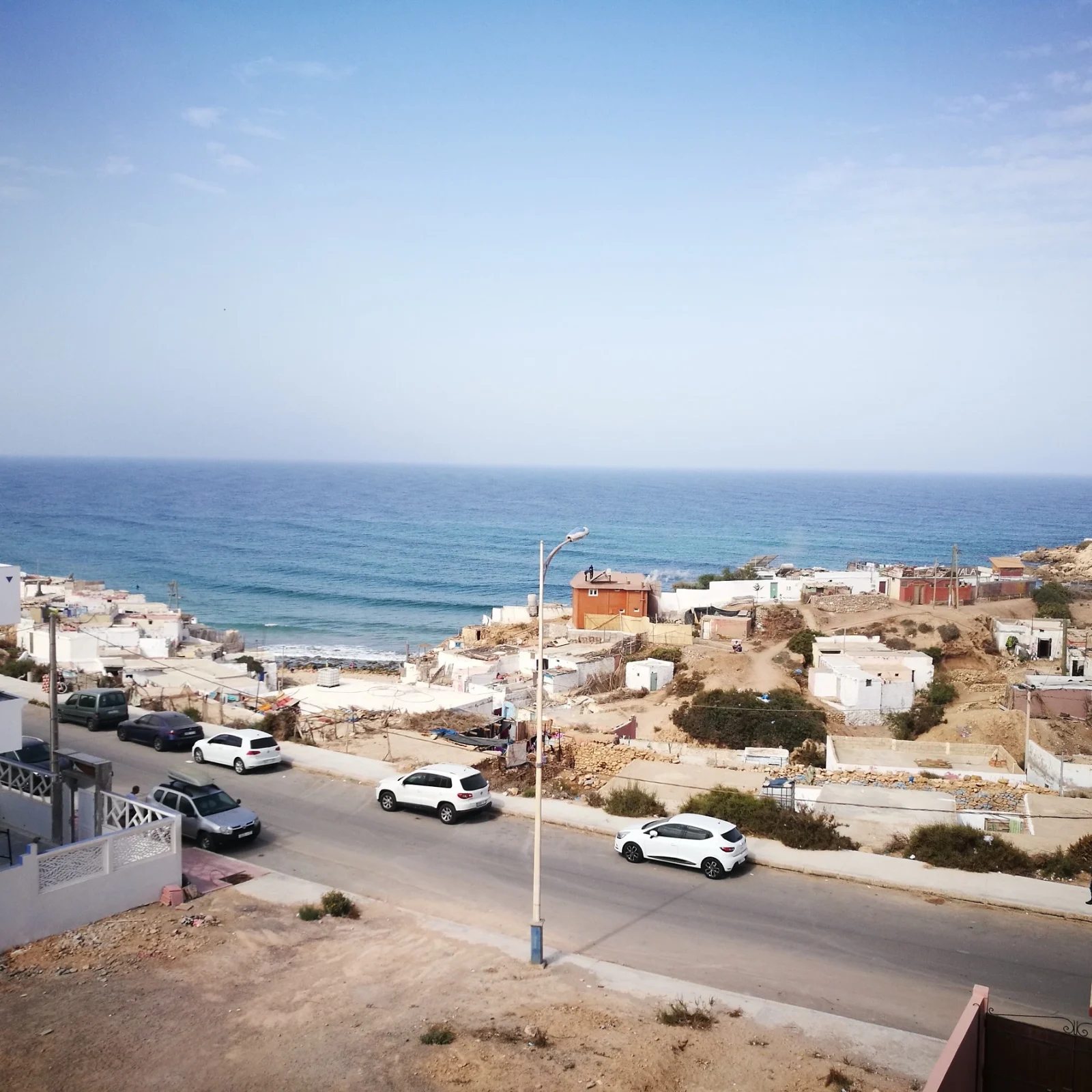
Africa’s longest right-hand wave wraps the bay for up to 800 metres. Cathedral Point sits next door for the heavier days. A tiny fishing village in between, two hours north of Taghazout.
