 By Steeve
Four islands. Same Atlantic. Very different surf trips. The Canaries get north-Atlantic winter swell from October to April, trade winds the rest of the year, water between 18 and 23°C, and a four-hour flight from most of Europe. The choice between them is less about “which is best” and more about which one fits how you surf.
If you read nothing else:
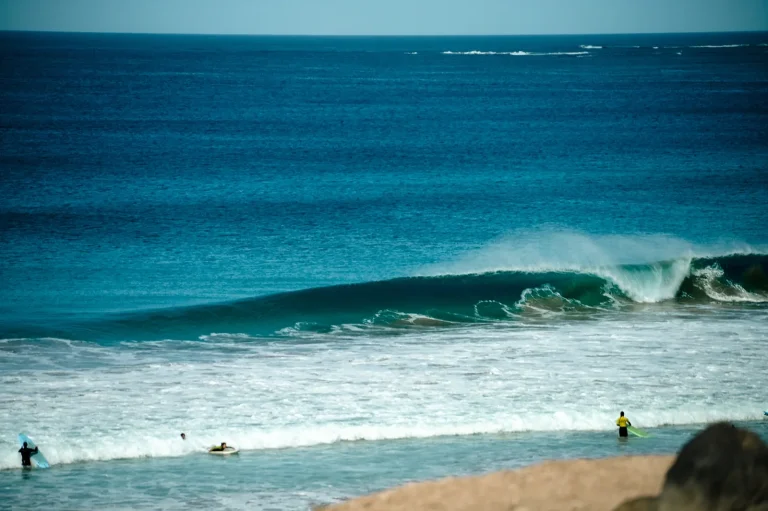
Fuerteventura has the most beginner-friendly setup in the chain. The north shore between Corralejo and El Cotillo runs 30 km of sand-bottom beach breaks (Glass Beach, Cotillo Lagoon, Punta Blanca) with surf schools running daily. When north Atlantic swell hits in winter, the reefs north of El Cotillo wake up: Rocky Point, Hierro, Generosa, Bubble. Short, sharp, lava-bottom: booties recommended.
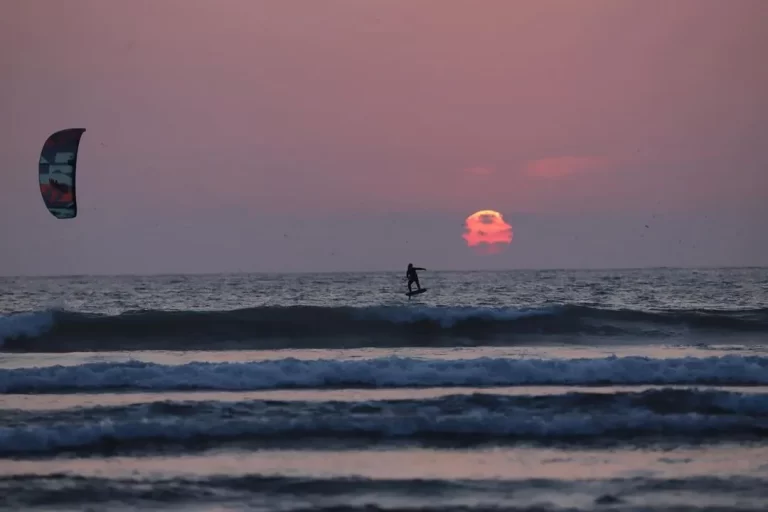
The trade winds (alisios) are the island’s signature. They blow side-onshore from June to September, killing surf quality but creating one of Europe’s best kitesurf and wing-foil seasons. Sotavento beach in the south becomes a windsurf playground; Flag Beach in the north handles kiters.
Stay in Corralejo for variety and social life. Stay in El Cotillo or Lajares for a quieter surf-village base.
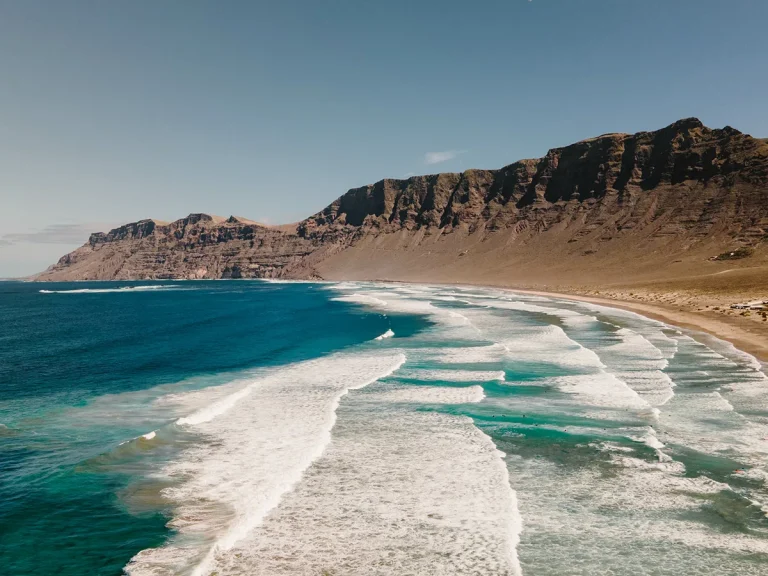
Lanzarote’s reputation rests on Famara and the north-shore reefs. Famara is a 6 km arc of sand below the Risco de Famara cliffs, holding size from October to March with enough peaks that crowds spread. Inside whitewater for beginners, outside peaks for intermediates.
The reefs are what make Lanzarote serious. El Quemao breaks heavy on shallow lava, often called “the European Pipeline”: short, hollow, and not for the inexperienced. San Juan and La Santa hold size when north swell hits. Boca del Mejillón is the wildcard, working a few days a year on the right swell direction. Booties go on; helmet not required but not foolish.
Stay in Famara village for surf, La Santa for serious sessions and athletic vibe, or Caleta de Famara for a quieter accommodation base.
Tenerife is the largest and most touristy island. The surf scene centres on the southwest coast (Las Américas, El Médano for wind) and the north (Punta Blanca, Spanish Left). Year-round flights, biggest infrastructure, but expect crowds at the well-known spots.
Gran Canaria sits in the middle of the chain. Las Canteras in Las Palmas is one of Europe’s best urban beach breaks: 3 km of sand inside the city, mellow whitewater perfect for learning, and harder peaks on the outside when swell pumps. El Confital and El Frontón nearby are serious reef spots for experienced surfers. Year-round water around 20°C+.
| Period | Surf | Wind | Air | Water |
|---|---|---|---|---|
| Oct–Nov | Building, consistent | Light | 23°C | 22°C |
| Dec–Feb | Peak season, head-high+ | Moderate N | 20°C | 19°C |
| Mar–Apr | Strong tail-end, less crowded | Light to moderate | 21°C | 19°C |
| May–Jun | Dropping, school-friendly | Building alisios | 23°C | 20°C |
| Jul–Sep | Small, mostly summer pulses | Strong alisios | 25°C | 22°C |
Practical takeaways: book November to February if you want size and your trip can shift dates around storms. Book October or March for the best price-to-conditions ratio. Book May to August if you also kite, or if you’re a beginner.
Total beginner. Fuerteventura north shore (Cotillo beach, Glass Beach) or Las Canteras in Gran Canaria. Mellow sand, surf schools every block.
Intermediate. Famara on Lanzarote, or the outside peaks at Corralejo on Fuerteventura. Both let you progress without committing to heavy reef.
Advanced. El Quemao on Lanzarote, El Frontón on Gran Canaria, Punta Blanca on Tenerife. Reef bottoms, fast, short. Bring spare boards.
The Canary surf-camp scene is smaller than Portugal or Morocco, but the camps that exist are run by long-time locals. Fuerteventura has three main camps in Corralejo and Lajares. Lanzarote has one in Famara village. Compare them on the Canary Islands surf camps directory with live prices.
Different, not nicer. Fuerteventura has more sand-bottom beach breaks suitable for beginners and kiters. Lanzarote has heavier reef setups (Famara, El Quemao, San Juan) that come alive in winter. Beginners and wind-sport people lean Fuerteventura. Intermediates and reef chasers lean Lanzarote.
Best three options: Cotillo and Glass Beach in northern Fuerteventura, the inside zone of Famara beach in Lanzarote, and Las Canteras in Gran Canaria. All work in summer and shoulder season when swell drops to school-friendly size.
Fuerteventura, by some margin. The trade winds blow consistently from June to September, Sotavento beach in the south has a flat-water lagoon for freestyle, and Flag Beach in the north handles wave-riding. Gran Canaria’s Pozo Izquierdo is a windsurf legend but more demanding.
A 3/2 covers December to April. A 2 mm shorty or board shorts the rest of the year, when water sits at 21 to 23°C. Bring booties for the volcanic reef breaks.
Binter Canarias runs hourly inter-island flights, 30 minutes between any pair, around €60 one-way. Ferries (Naviera Armas, Fred Olsen) take 1 to 2 hours between Fuerteventura and Lanzarote, longer to Tenerife and Gran Canaria. Most surfers pick one island per trip and stay put.
Compare camps with real prices on the Canary Islands surf camps page. Or go deeper into a specific island:

 English
 Français
  Deutsch
  Español
  Italiano