 English
 Français
  Deutsch
  Español
  Italiano
 How to pick your Canary island
Fuerteventura, Lanzarote, Tenerife or Gran Canaria: which fits your level, season and travel style.
Read guide →
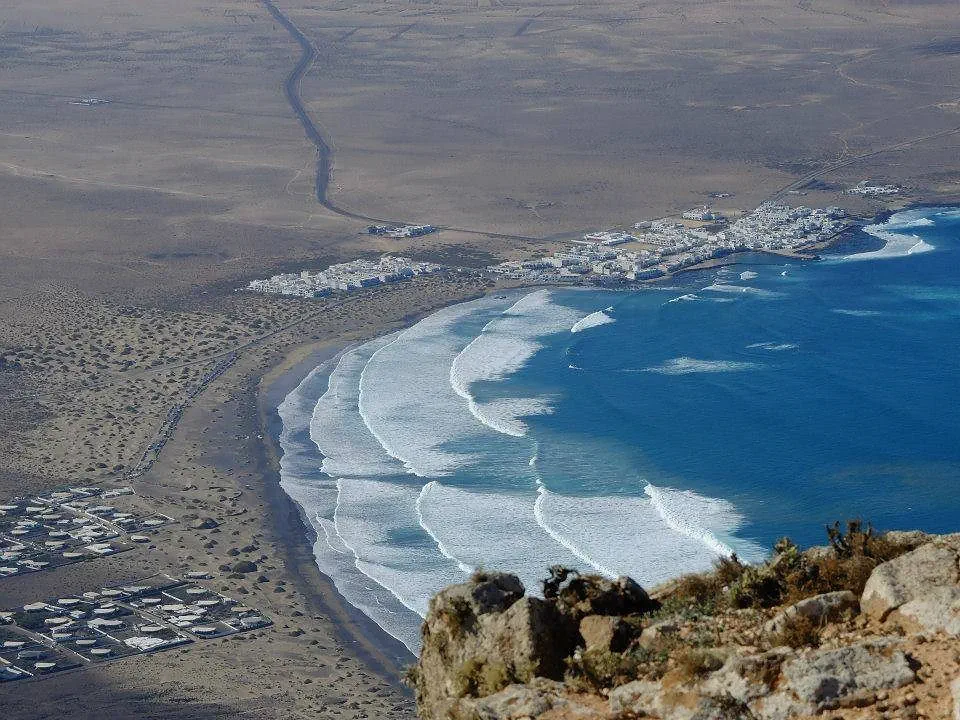
The surf island. Famara holds size all winter, El Quemao breaks on heavy reef, and the volcanic backdrop turns every session into a postcard.
The surf island. Famara holds size all winter, El Quemao breaks on heavy reef, and the volcanic backdrop turns every session into a postcard.
Famara beach in the north is the obvious base. A 6 km arc of sand below the Risco de Famara cliffs, reliable wave from October to March, surf schools running daily, and enough peaks that crowds spread out.
The reef setups are what make Lanzarote serious. El Quemao breaks heavy on a shallow lava bottom (advanced only, often called "the European Pipeline"), San Juan and La Santa hold size when north swell hits, and Morro Negro on the east coast picks up summer pulses when Famara goes flat.
The volcanic landscape is unlike anywhere else: black sand, lava plains, vineyards on volcanic ash. César Manrique-designed architecture sits across the island. The vibe is artistic and slightly remote.
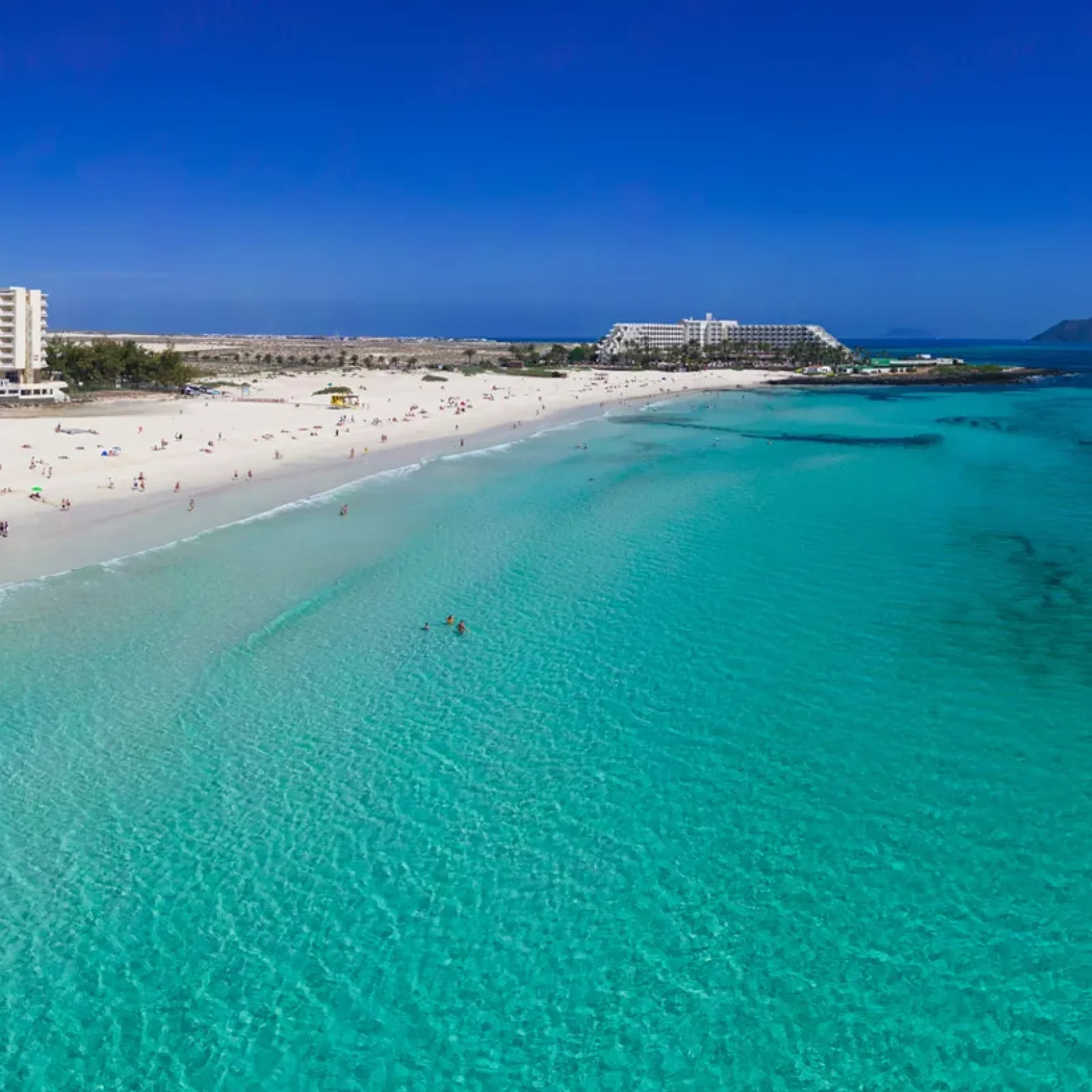
Fuerteventura, Lanzarote, Tenerife or Gran Canaria: which fits your level, season and travel style.
Read guide →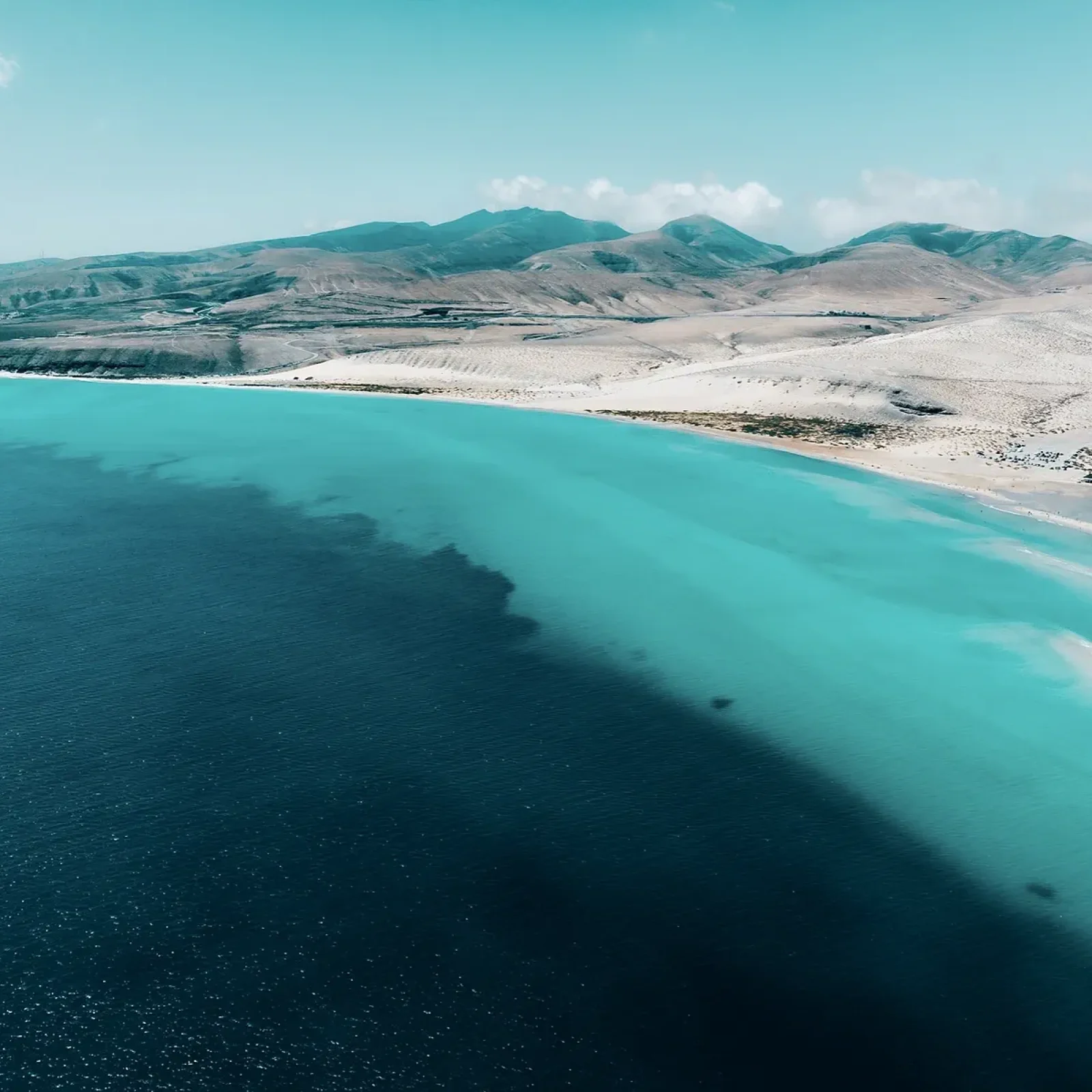
From beginner sand at Cotillo to heavy reef at Generosa, plus the alisios that shape the season.
Read guide →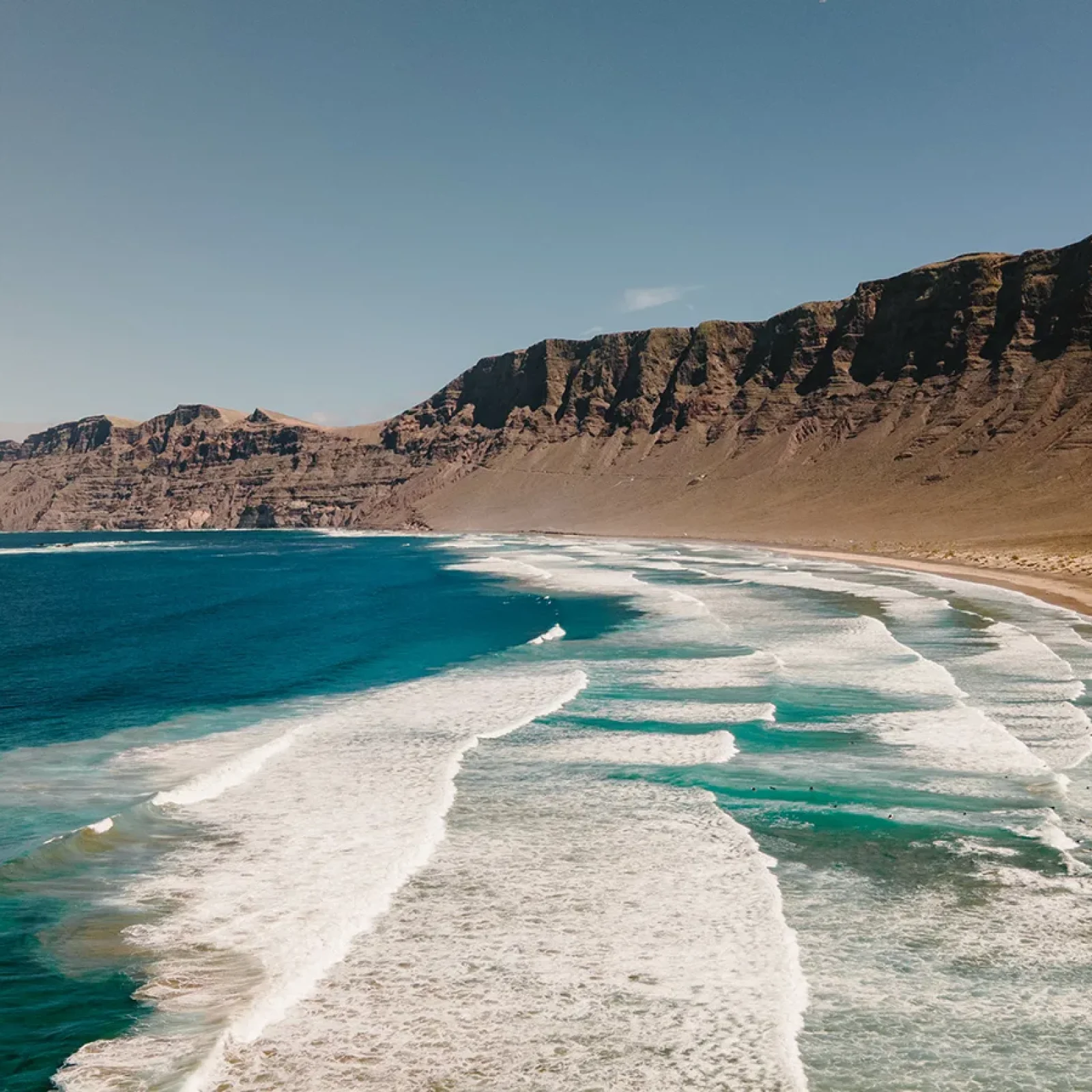
Famara beach for all levels, El Quemao for heavy left reef, plus seasons and safety.
Read guide →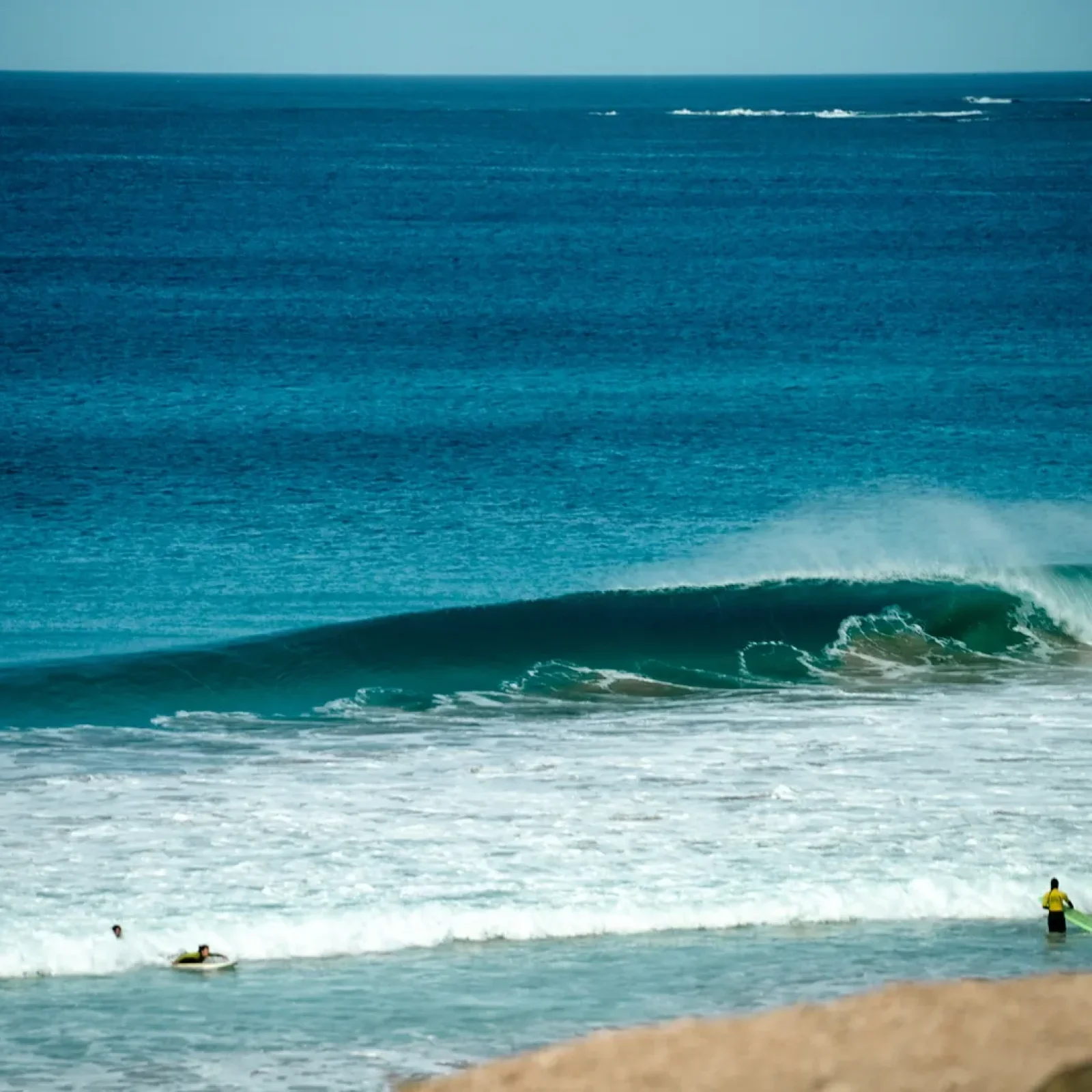
Sotavento lagoon for freestyle, Flag Beach for waves, trade-wind season from June to September.
Read guide →October to March for north swell and reef breaks. Famara works most of the year for beginners. Water 18 to 22°C.
From €280 / 3 nights at Surf Camp Lanzarote Calima Famara. Canarian wine tasting in La Geria: €15.
Lanzarote airport (ACE), 4 hours from London, Berlin, Madrid. Rent a car for spot access and island exploring.
Beginner: Famara whitewater zone. Intermediate: Famara peaks, La Santa. Advanced: El Quemao, San Juan, Boca del Mejillón.
North Atlantic winter swell drives the season. North-east trades dominate summer (lighter than Fuerte). Surf forecast: Magicseaweed Famara.
Mojo rojo on papas arrugadas. Fresh fish at La Santa harbour. Volcanic-grown Malvasía wine from La Geria. César Manrique designed half the restaurants.
Camps in Famara and the north coast, ready to book with real prices.
See Lanzarote Surf CampsYes, at Famara beach. The inside whitewater zone of Famara has consistent shoulder-high rolls, sand bottom, and surf schools running daily. Avoid the outside peaks (advanced) and the reef setups (El Quemao, San Juan) until you have a solid intermediate level.
A heavy left-hand reef break on the north coast of Lanzarote, often called "the European Pipeline". Short, hollow, breaking over shallow lava reef. Advanced surfers only. Best on a clean north swell at low to mid tide. Bring booties, helmet optional but not stupid.
November to February for size and consistency on the north shore reefs. October and March stay reliable with slightly smaller swell. Famara beginner zone runs year-round.
Famara (Lanzarote) for a single long beach with reef potential nearby and a volcanic-cliff backdrop. Corralejo (Fuerteventura) for a busier town vibe and access to a wider range of north-shore spots. Both work for all levels. Pick Famara for atmosphere, Corralejo for variety.
A 3/2 from December to April. A 2mm shorty in summer, when water hits 22°C. Bring booties for the reef breaks (El Quemao, San Juan) where the lava bottom is sharp.
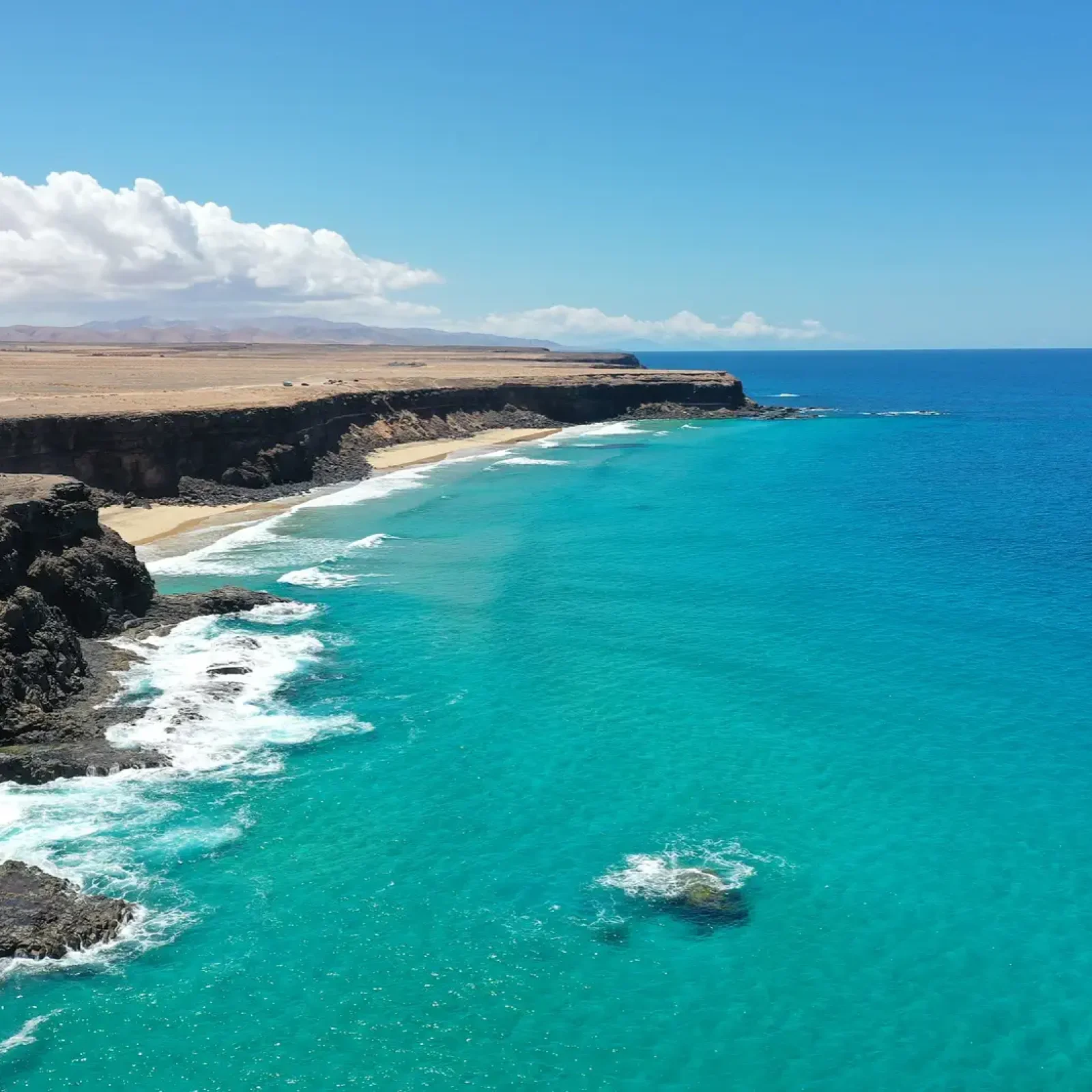
The wind island. 150 km of Atlantic coast, sand-bottom beach breaks in the north, reef setups around El Cotillo, and trade winds that almost never quit.
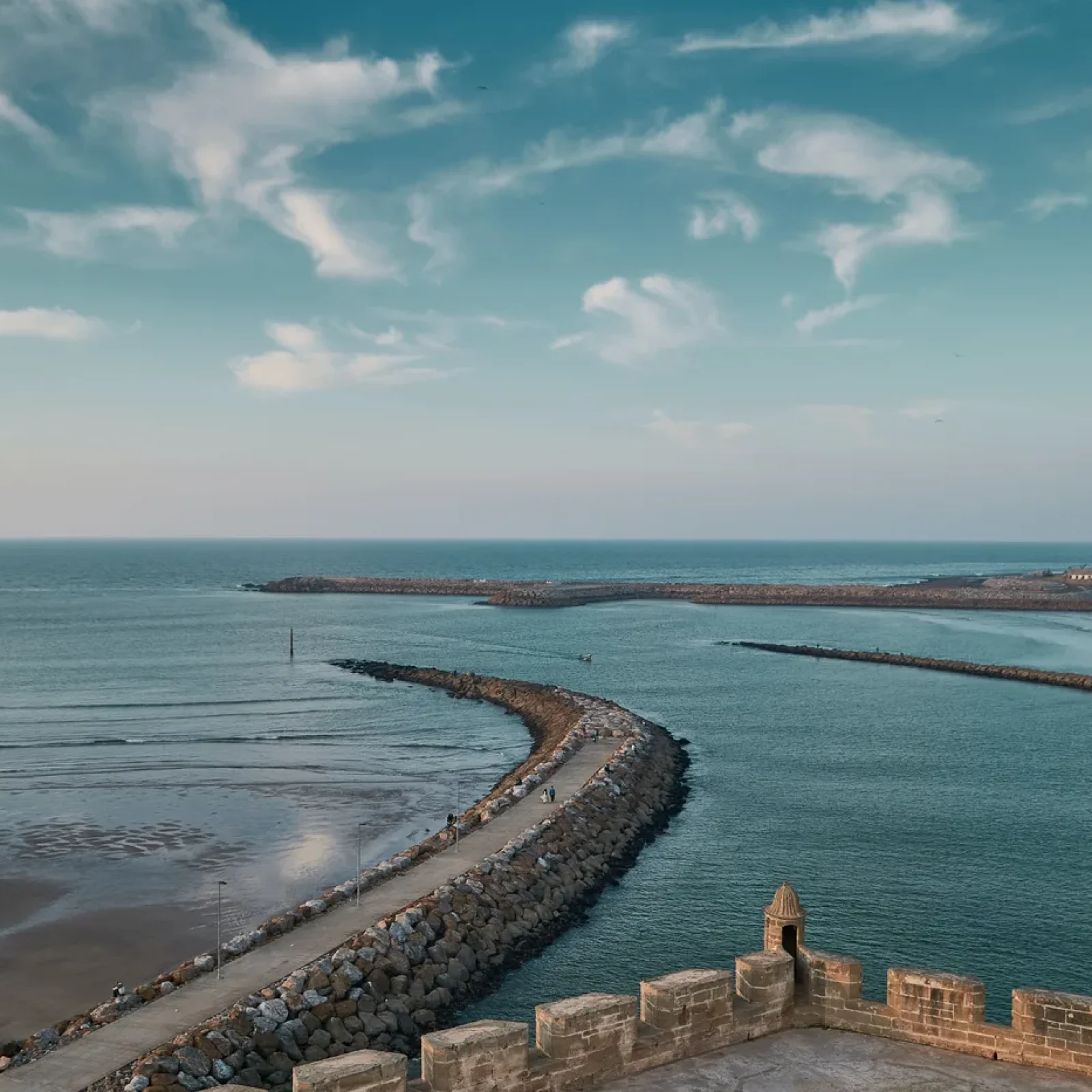
Capital city beach breaks under a 12th century kasbah. Plage Oudaya at the river mouth and Plage des Nations 20 minutes north. The city where Moroccan surfing began.
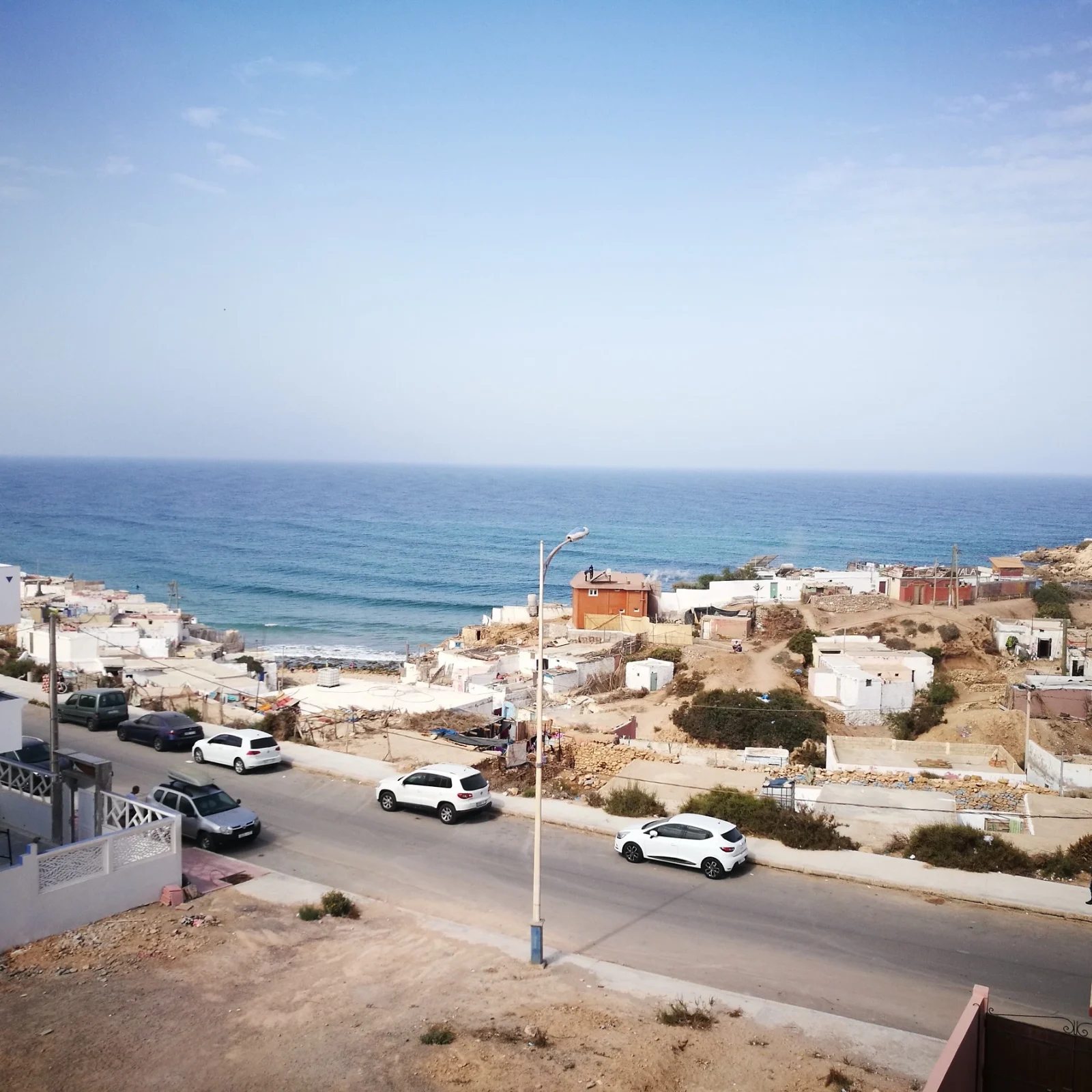
Africa’s longest right-hand wave wraps the bay for up to 800 metres. Cathedral Point sits next door for the heavier days. A tiny fishing village in between, two hours north of Taghazout.
