 English
 Français
  Deutsch
  Español
  Italiano
 Ultimate Rabat surf guide
Spots, food, travel tips, and the local secrets that make Rabat one of Morocco's most overlooked surf cities.
Read guide →

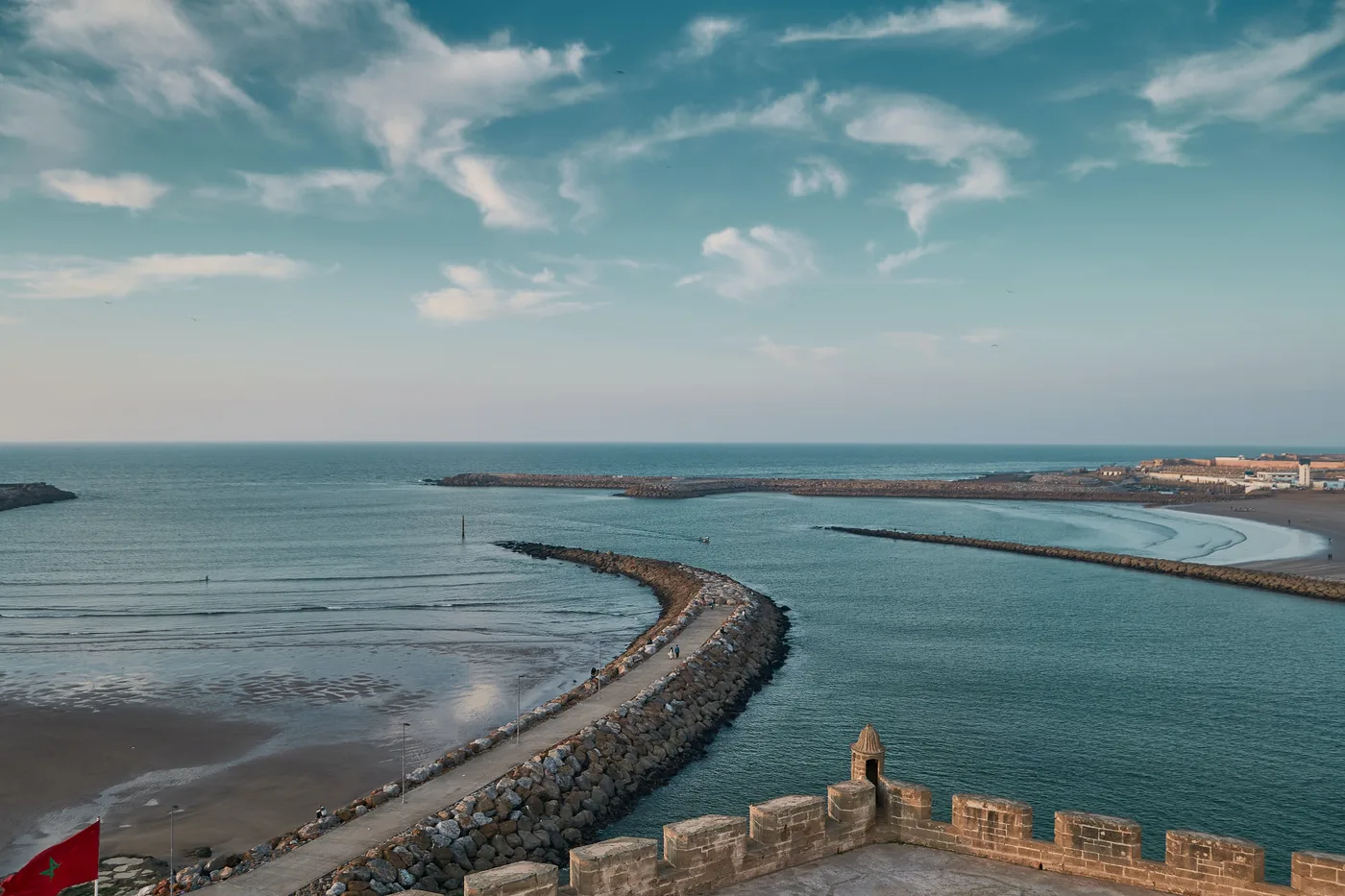
Capital city beach breaks under a 12th century kasbah. Plage Oudaya at the river mouth and Plage des Nations 20 minutes north. The city where Moroccan surfing began.
Rabat is the only Moroccan capital where you can paddle out under a 12th century kasbah, walk back through Roman ruins, and eat dinner two streets over from the royal palace. The surf spots sit at the city limits: beach breaks at Plage Oudaya right under the Kasbah of the Udayas, and Plage des Nations 20 minutes north for cleaner peaks when the wind turns.
A capital city with a surf scene tucked inside its history. Most visitors miss it.
Rabat is where modern Moroccan surfing started in the 1960s, when Hawaiian visitors first paddled out at the river mouth. Today the lineups stay calm: a handful of locals, a couple of surf clubs, weekend learners, and almost no foreigners. Compared with Taghazout, the wave is smaller and gentler. Compared with Imsouane, it is busier with city life and quieter on the water.
Waverick lists Rabat partner camps with real prices, room photos, and live availability. The pool is small (Rabat is mostly a city stop, not a surf-camp town) so book early in winter peaks.
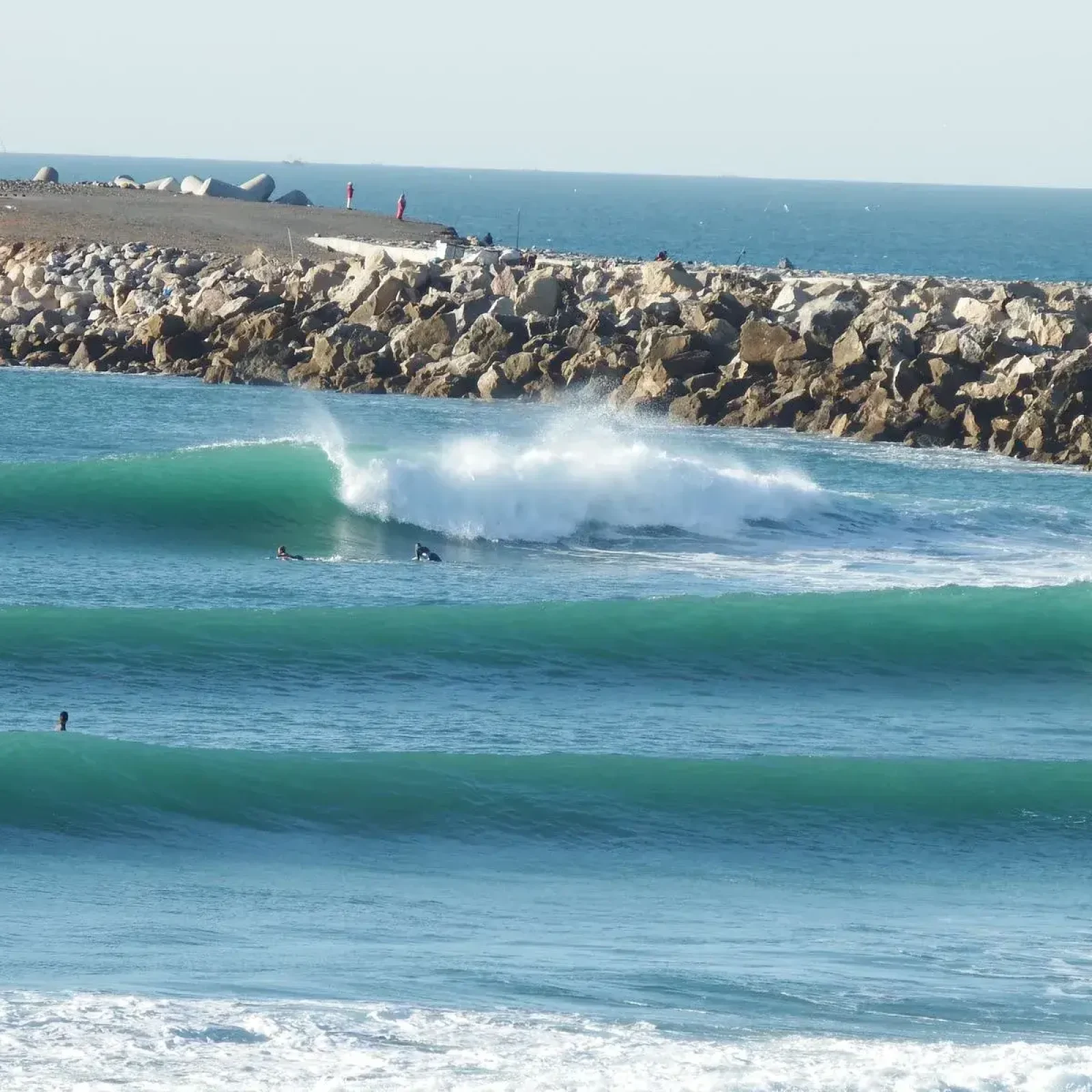
Spots, food, travel tips, and the local secrets that make Rabat one of Morocco's most overlooked surf cities.
Read guide →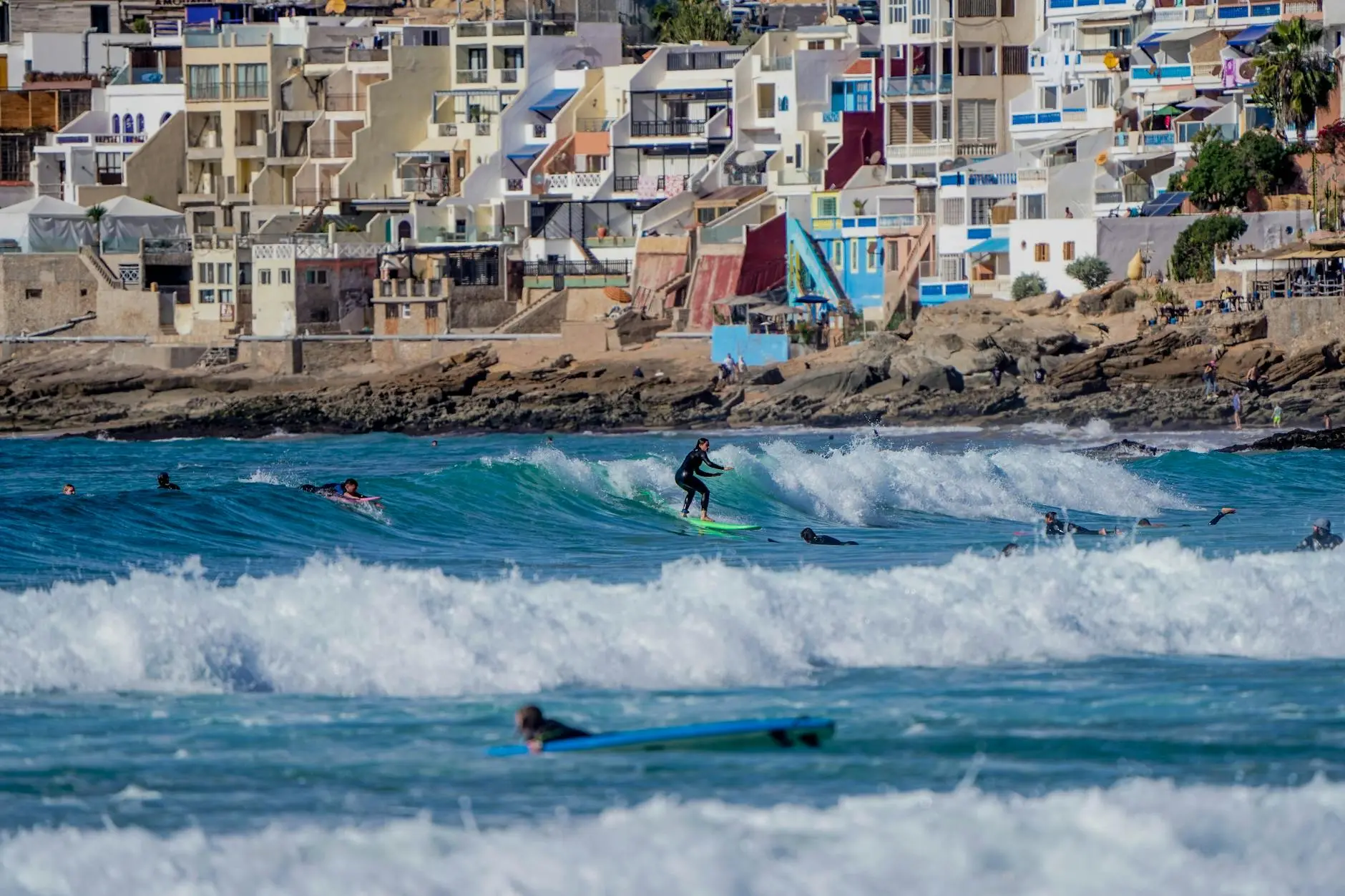
From Hawaiian visitors at the Bouregreg river mouth in the 1960s to today's national surf scene. Rabat is where it started.
Read guide →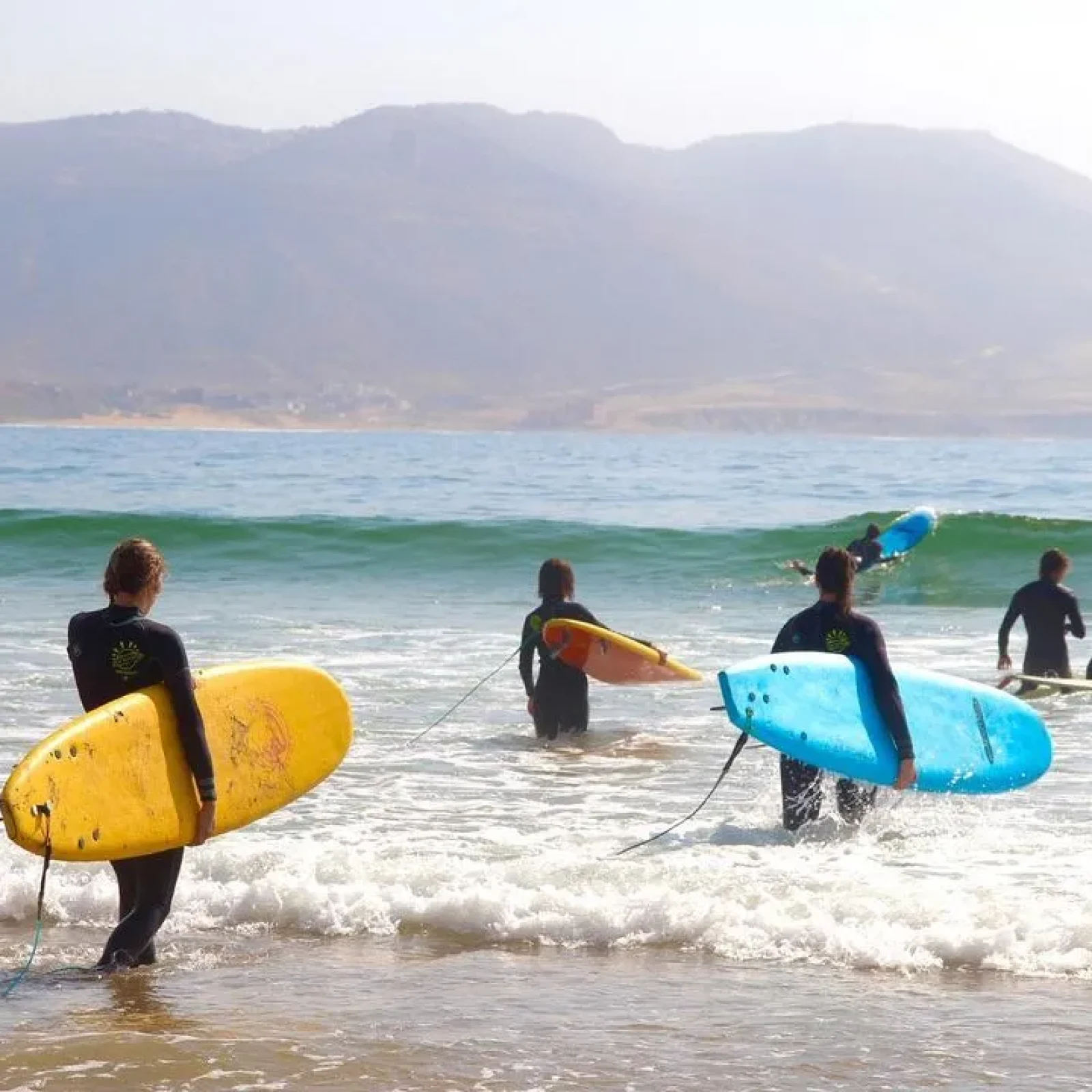
Visa, transfers, money, sim cards, board rental, and the small things that make a Moroccan surf trip run smoothly.
Read guide →September to May for consistent waves. November to March is winter peak, with bigger NW Atlantic swells and the most action at Plage des Nations. Summer goes flat and the city heats up.
4/3 mm in deep winter (Dec to Feb), 3/2 mm autumn and spring, shorty or 2 mm vest in summer. Water is a touch cooler than Taghazout because of the river mouth.
Fly direct into Rabat-Salé (RBA), 30 minutes from the surf. Casablanca (CMN) is one hour by train or shared taxi. Most camps arrange airport pickup; a private transfer from RBA runs roughly 20 to 30 EUR.
From €255 / 3 nights at Ilyana Surf House. Mint tea in the medina: €0.50.
The river-mouth break right under the kasbah walls. Beach break peaks, friendly to learners, walks straight back to the medina for tea after a session. Best at low to mid tide.
20 minutes north of the city. Cleaner beach break peaks when the wind blows up at Oudaya. Bigger swells hold size to head and a half. Quieter line-up, a few weekend regulars.
UNESCO heritage medina, Kasbah of the Udayas, Hassan tower, Chellah ruins, royal palace. Cleaner and calmer than Marrakech, less touristy than Fez. Rabat earns the morning surf, the afternoon walk, and a dinner that takes its time.
Compare the city's partner camps side by side: real prices, room photos, package details, and live availability.
See Rabat Surf CampsYes. Rabat has two reliable beach breaks, Plage Oudaya at the river mouth and Plage des Nations 20 minutes north, plus a handful of seasonal peaks. Rabat is actually where modern Moroccan surfing began in the 1960s. The ultimate Rabat surf guide covers spots in detail.
Plage Oudaya in particular is a friendly learning break: shoulder-height most of the season, soft beach-break peaks, no reef, and a calm crowd. Most visiting surf schools run beginner sessions there. Plage des Nations gets bigger and is more for confident intermediates.
Two main spots: Plage Oudaya at the Bouregreg river mouth, right under the Kasbah of the Udayas, and Plage des Nations a 20-minute drive north. Plage Témara, 15 minutes south, picks up cleaner south-facing swells. All three are beach breaks.
About one hour by direct ONCF train from Casa-Voyageurs to Rabat Ville (frequent service, around 5 EUR). Driving is similar but with traffic at peak hours. Rabat-Salé (RBA) airport itself is 30 minutes from the surf and accepts direct flights from many European hubs.
UNESCO-listed medina (smaller and calmer than Marrakech), Kasbah of the Udayas overlooking your surf spot, Chellah ruins (Roman + Marinid necropolis, walkable), Hassan tower, royal palace, and a riverside walk along the Bouregreg. Compact city, easy to combine with morning surf.
September to May for waves, with November to March the winter peak. Mornings are usually offshore at Oudaya. Avoid June to August: small surf, hot city, and the heat pulls a lot of locals to the beach. Crossover months October and March give the best balance of waves and weather.
Taghazout if you want big point breaks, daily surf culture, and a dedicated surf-camp scene. Rabat if you want a real Moroccan capital city, cultural depth (medina, kasbah, Roman ruins), gentle beach breaks for learning, and zero surf-tourist density. Both are easy combined trips on a longer Morocco itinerary.
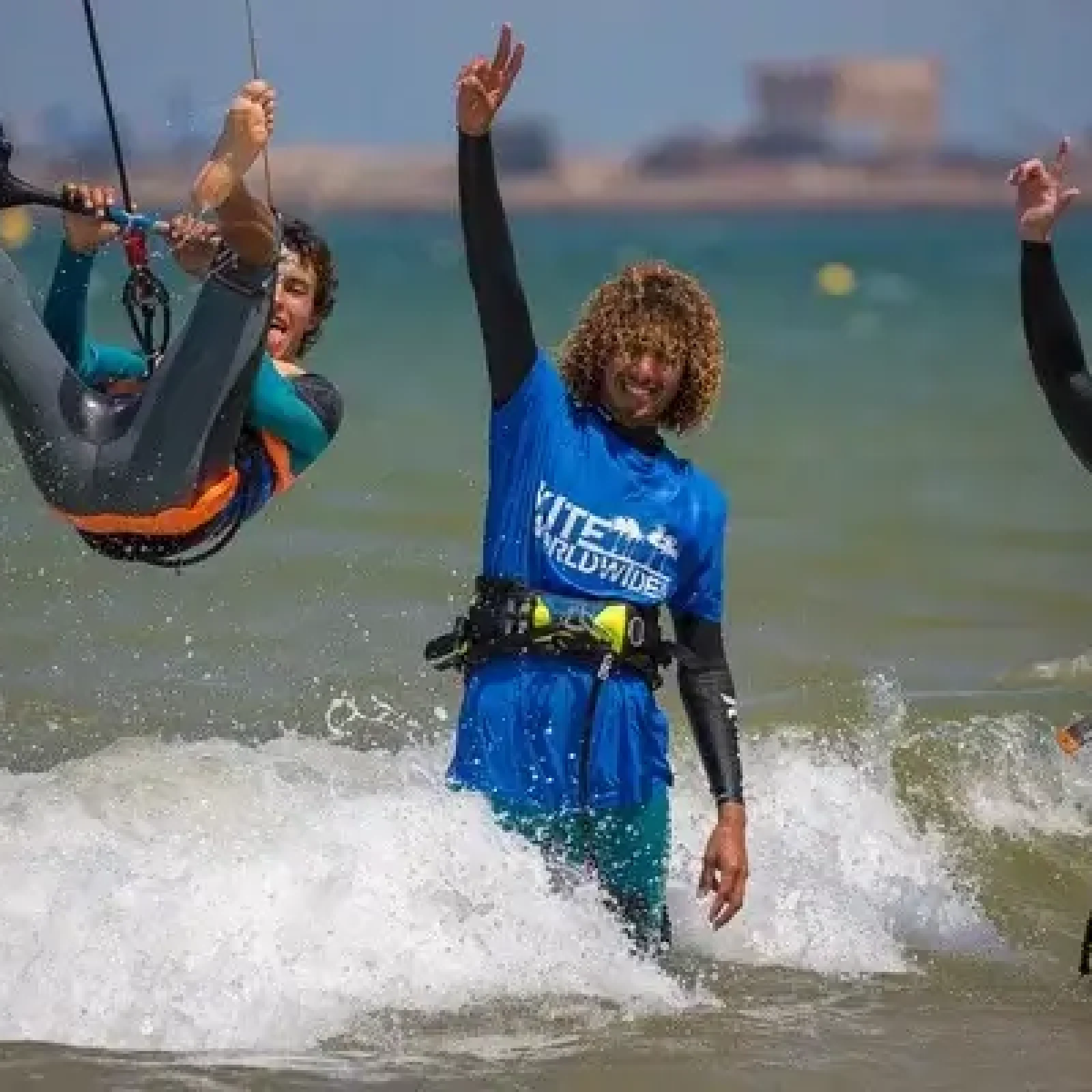
Beach breaks, year-round trade winds, and the quiet village of Sidi Kaouki just down the coast. Essaouira is where surf meets wind sports and Gnaoua music sets the evening tempo.
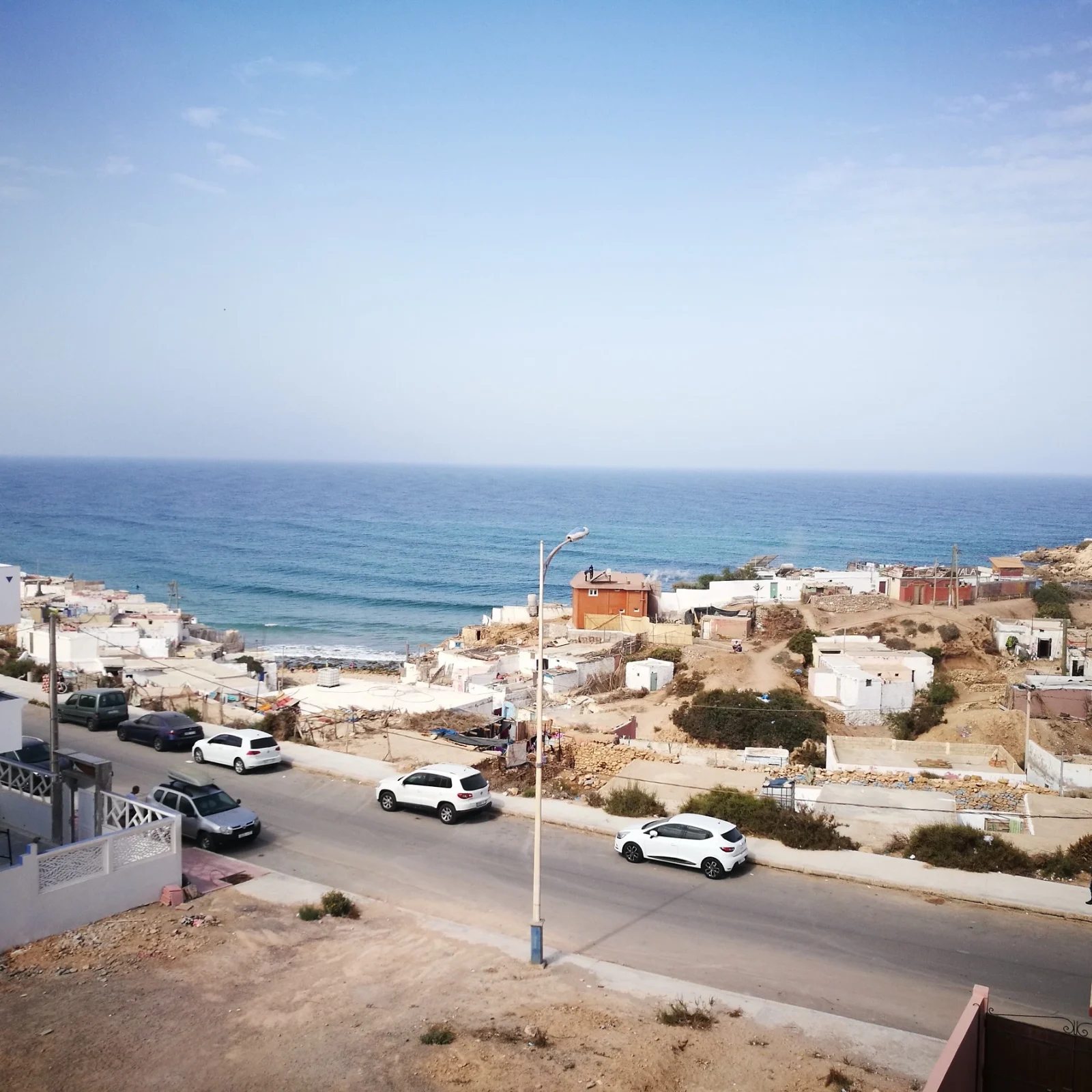
Africa’s longest right-hand wave wraps the bay for up to 800 metres. Cathedral Point sits next door for the heavier days. A tiny fishing village in between, two hours north of Taghazout.
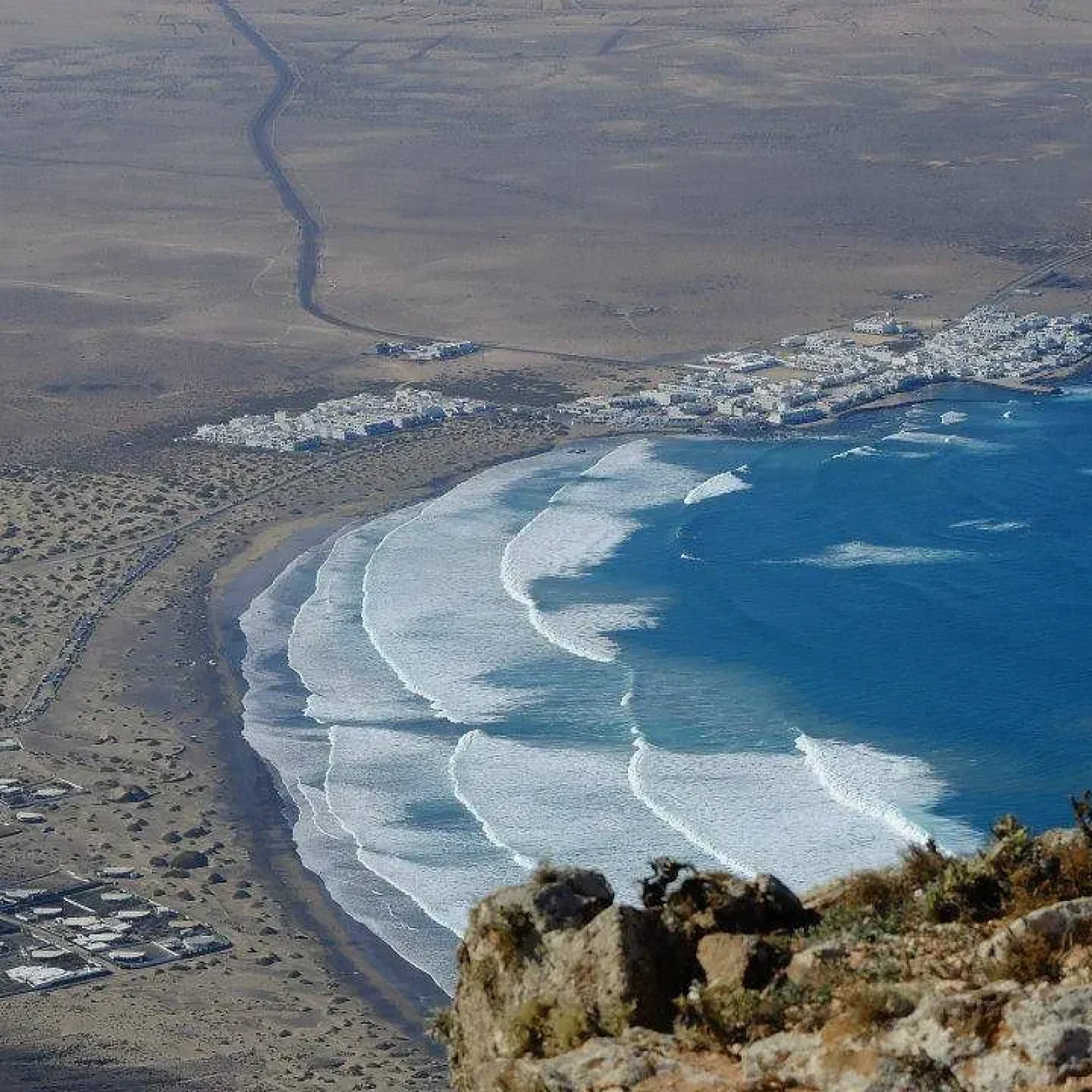
The surf island. Famara holds size all winter, El Quemao breaks on heavy reef, and the volcanic backdrop turns every session into a postcard.
