 English
 Français
  Deutsch
  Español
  Italiano
 Surfing the Maldives season by season
Month-by-month breakdown of swell, wind, crowds and what to expect from May glass to August giants.


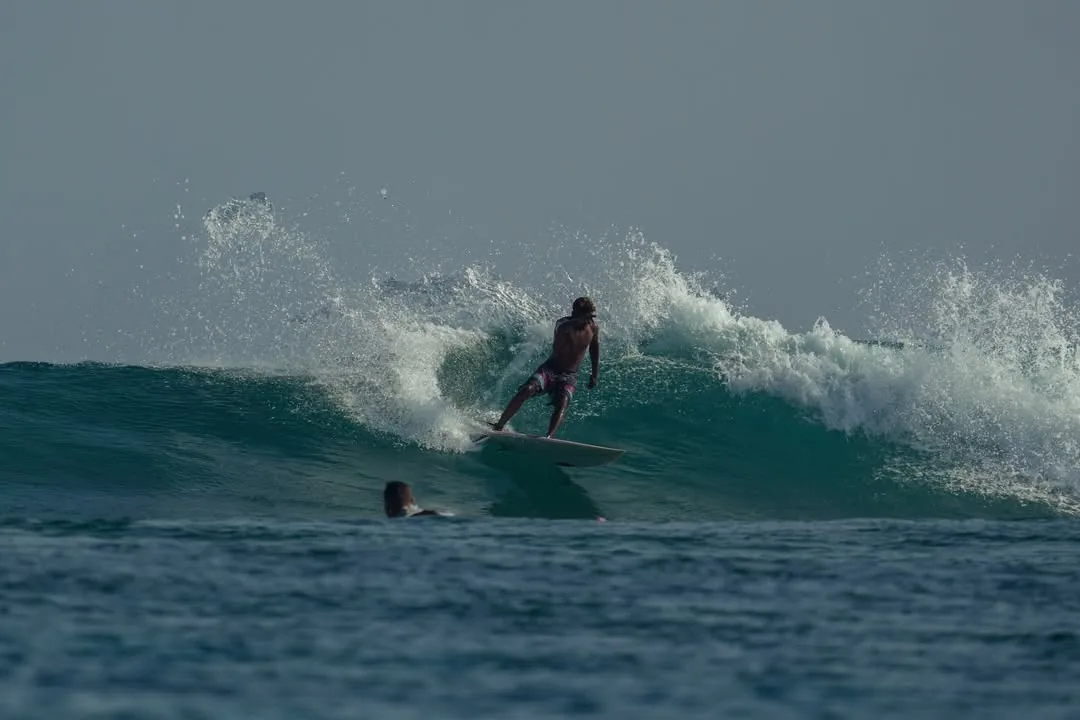
Editorial guide to surfing the Maldives: the three ways to do it (charter, resort, guesthouse), where the waves are, when to come, and what it really costs.
The Maldives runs on a simple premise: most of the waves break on uninhabited reef passes between flat-water lagoons, which means you need a boat to get to most of them. That's why surf charters have ruled this place for decades.
Then guesthouses on inhabited islands quietly changed the math. From a few hundred euros a week, you can now base yourself on a single island, paddle out to one or two world-class waves on its doorstep, and run boat day-trips to the rest when the swell is right. Less paradise-isle fantasy, more village morning coffee and barrel sessions. Both styles work. The trick is matching one to your trip.
The boat charter is the classic move. A liveaboard with 10-12 bunks parks at a different reef each morning, chef cooks, you wake up to whichever spot is firing. Budget €2,500-€4,500 per person per week.
The surf resort. Private island, single wave, all-inclusive everything. The most comfortable option, the least flexible. Budget €3,500-€8,000 per person per week.
The inhabited-island guesthouse is the new normal. Local islands like Thulusdhoo and Kudahuvadhoo have small guesthouses a short walk from a reef pass. Boat day-trips slot in when the wind shifts. Budget €600-€1,400 per person per week.
Three regions matter for surf, each with its own personality.
North Male atoll is the busiest. Cokes, Chickens, Sultans, Honkys, Jails. Lefts, rights, fast, hollow, crowded. This is where most charters end up.
South Male and Central atolls sit a few hours further out. Quieter lineups, longer rides, more boat time. Pasta Point inside Cinnamon Dhonveli is the headline wave.
The outer atolls (Laamu, Dhaalu, Meemu, Thaa) are where the long game lives. Fewer surfers, deeper swell windows. Dhaalu's Hadigilla wave is regularly called the longest left in the country.
"Three minutes on a Hadigilla wave during a south-east swell. That's the kind of ride a Caribbean reef can't physically produce."
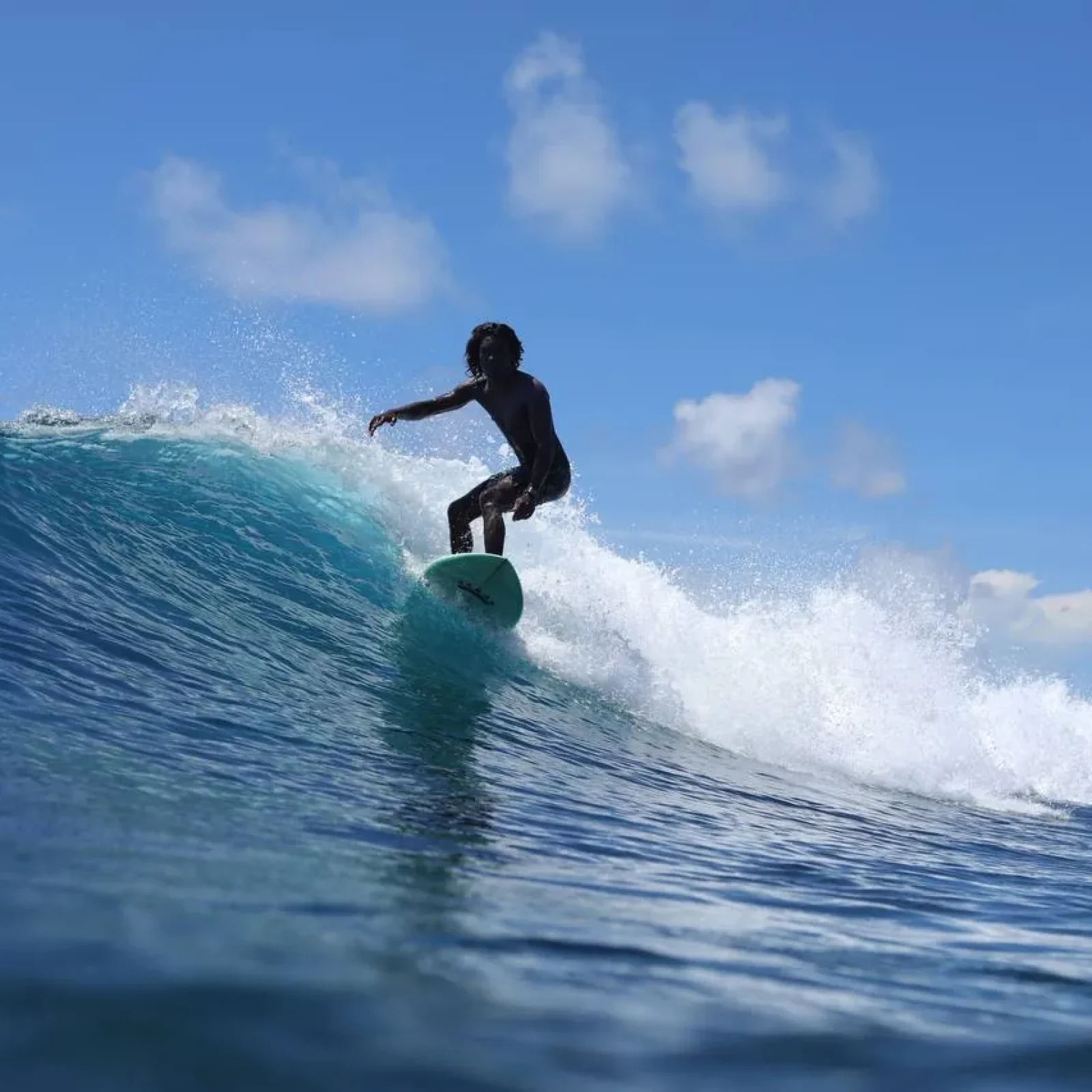
Month-by-month breakdown of swell, wind, crowds and what to expect from May glass to August giants.
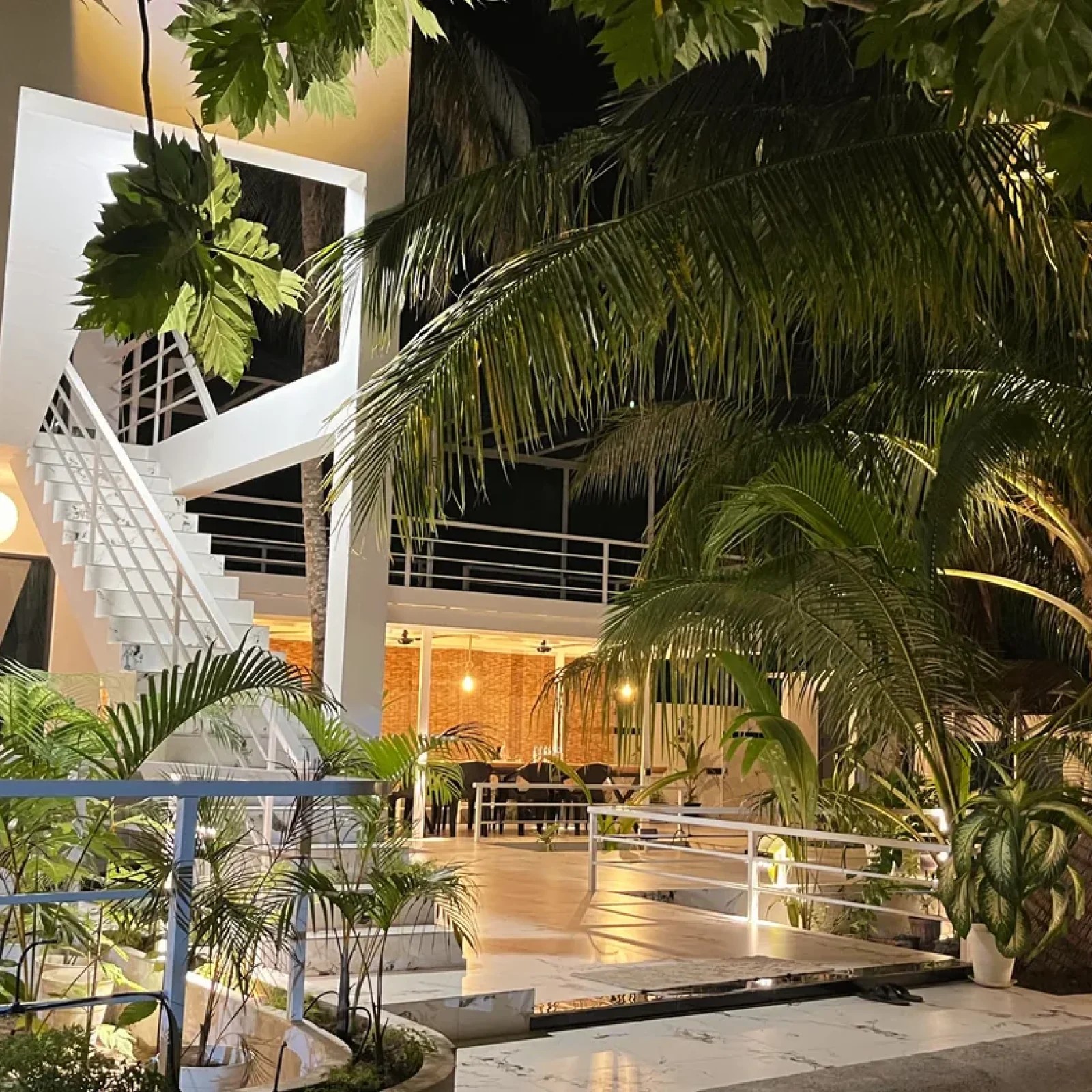
Liveaboard, resort, or local-island guesthouse: the real cost-vs-flexibility comparison.
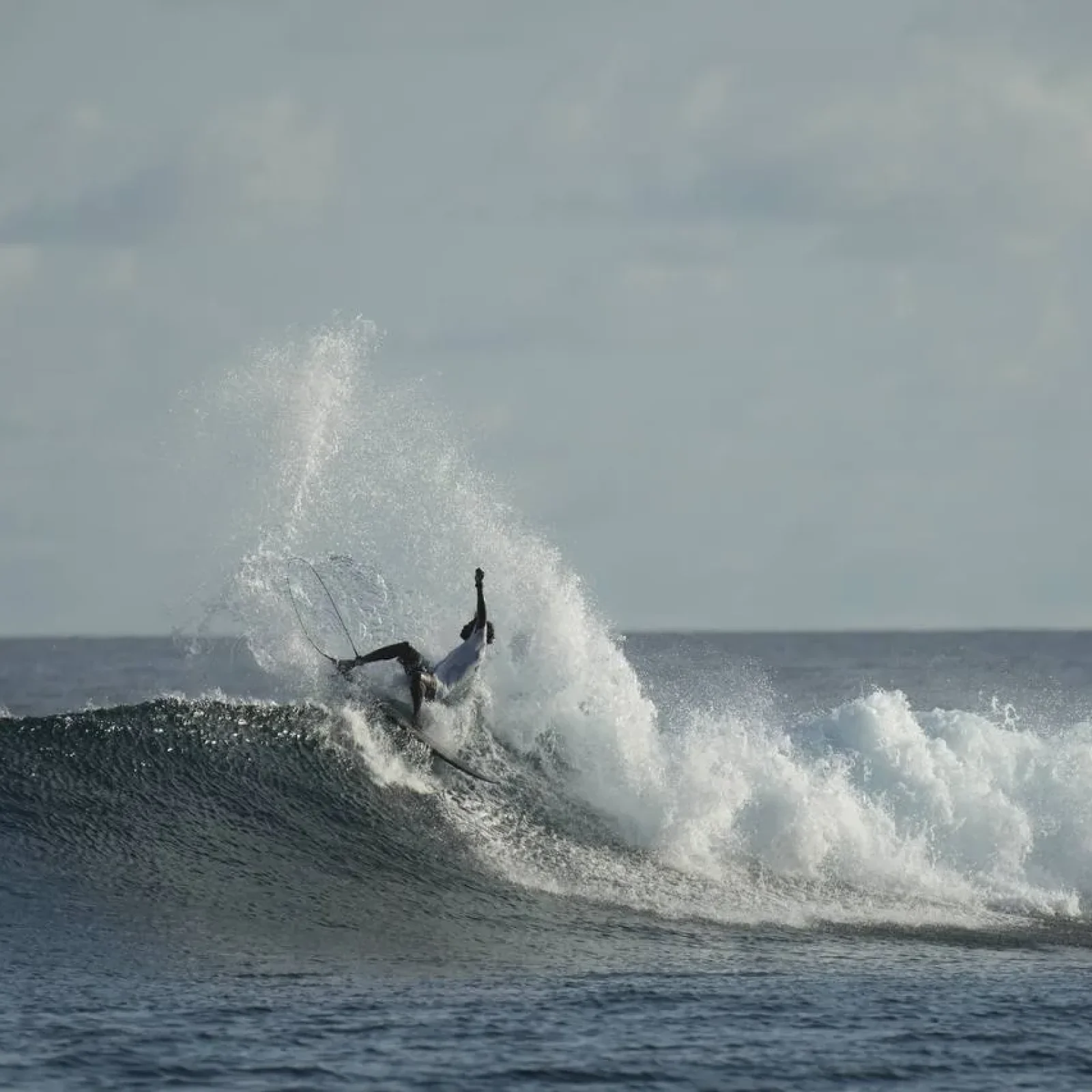
From Cokes and Sultans in North Male to Hadigilla in Dhaalu, the reef-by-reef rundown.
Fly to Malé (MLE). For outer atolls, take a domestic flight (USD 260 round-trip to Dhaalu) or a speedboat for closer islands.
From €630 / 7 nights at Oceana Inn Maldives in Kudahuvadhoo. Add USD 6/person/night Green Tax and 17% TGST paid locally.
Dhivehi is the local tongue; English is widely spoken at any property that takes foreign guests.
Maldivian rufiyaa (MVR), but USD is accepted almost everywhere tourists go. Cards work at properties.
Boardshorts/bikini and a rashie. The water sits at 27-29°C every month of the year.
Inhabited islands are conservative: bikinis only on designated tourist beaches or uninhabited picnic islands.
Browse our Maldives surf camp and add domestic flight when you book.
See Maldives Surf Camps
Indonesia is Asia's surf temple. Bali for first-timers, Lombok and Sumbawa for the next step. Complete hub: where to surf, when, what level, what it costs.
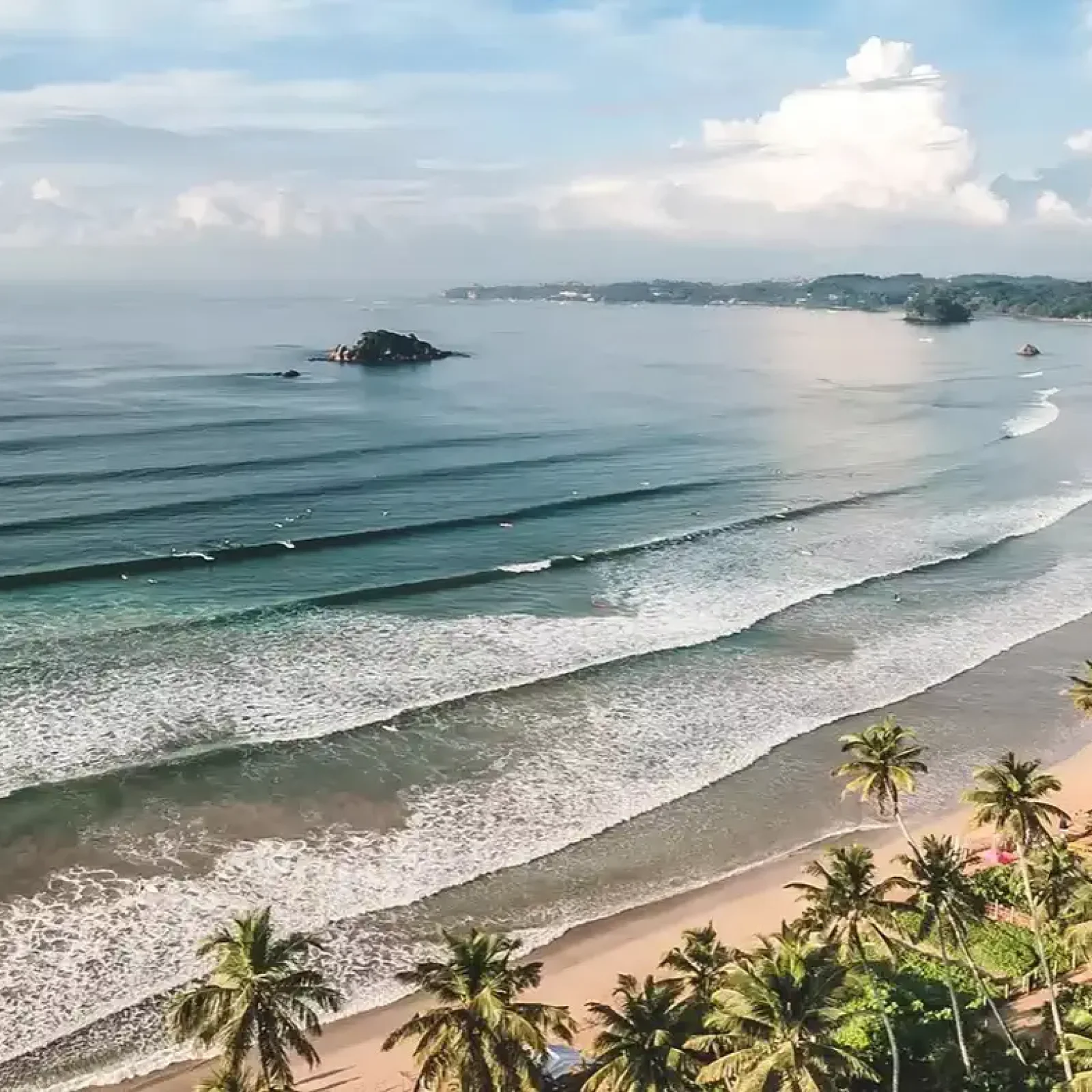
Sri Lanka is the warm-water surf country that works year-round. The southern coast handles the European winter season from November to April. The east coast opens up from April to October.
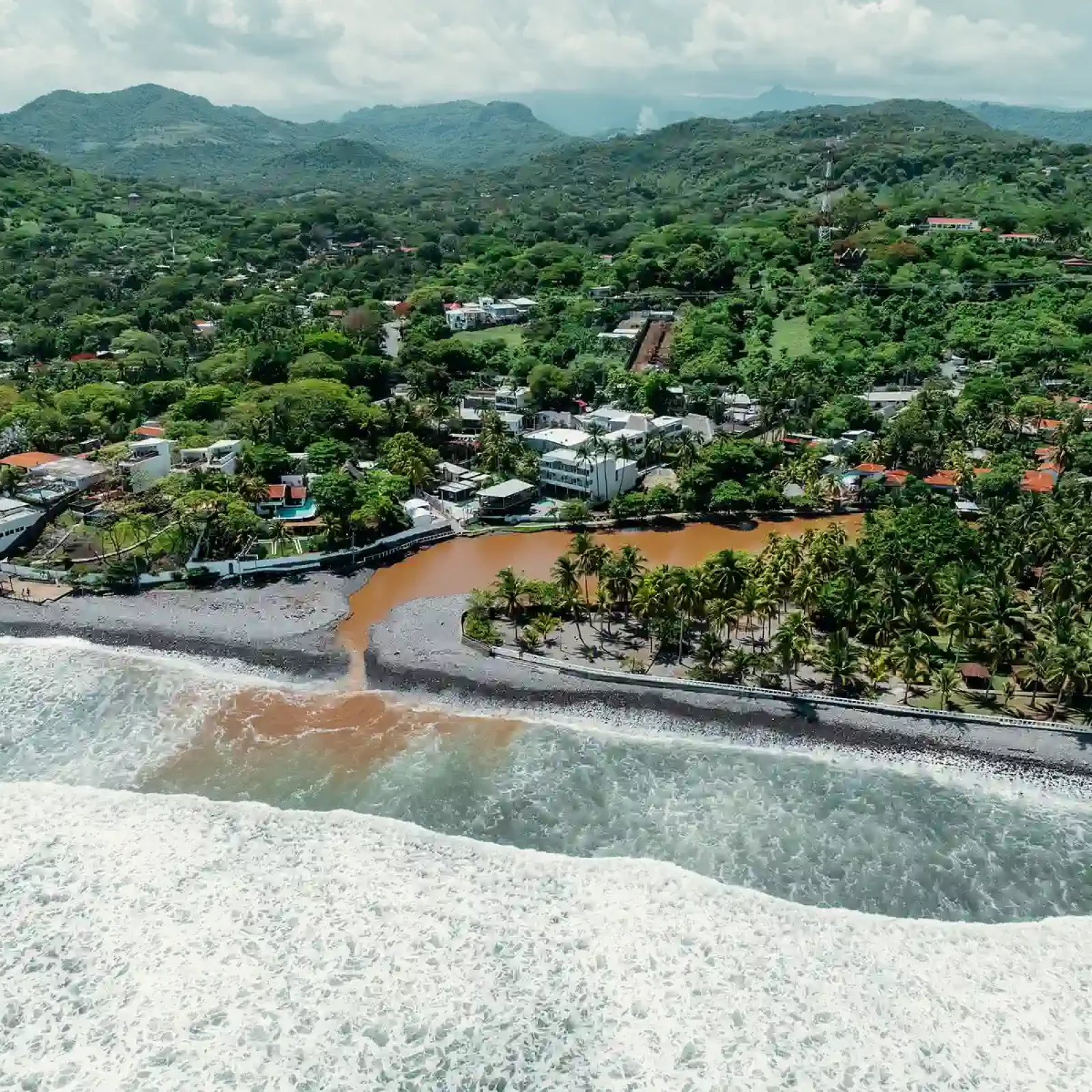
El Salvador is the Pacific Coast surf trip that delivers long right-hand point breaks, warm water year-round, and a 35-kilometre stretch of named waves within a 45-minute drive of San Salvador airport…
