 English
 Français
  Deutsch
  Español
  Italiano
 Surfing in Bali: complete travel guide
When to go, what level, what it costs, what to bring. The full Bali surf trip primer in one read.
Read guide →

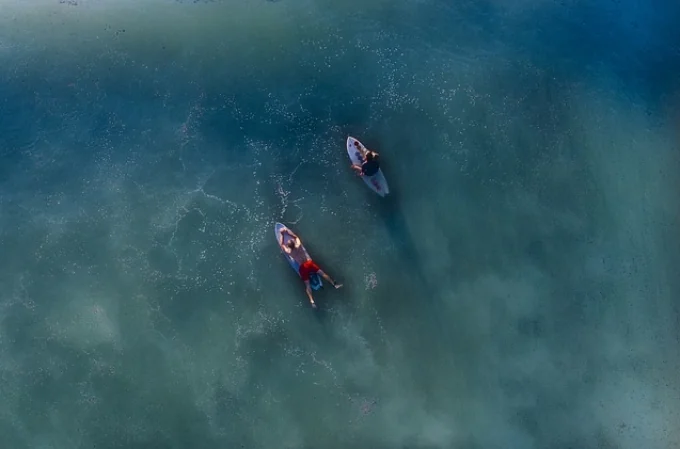
Indonesia is Asia's surf temple. Bali for first-timers, Lombok and Sumbawa for the next step. Complete hub: where to surf, when, what level, what it costs.
Indonesia is the warm-water surf-trip benchmark. Bali alone has more surfable coast than most countries, every break is a 30-minute scooter from your bed, and the water sits at 28 °C twelve months a year.
The country splits into two surf seasons that overlap. May to October is the dry season: south-east trade winds groom the Bukit Peninsula, where Uluwatu, Padang Padang and Bingin fire on every south swell. November to April flips the script: the wind goes west, the Bukit blows out and the east coast (Keramas, Sanur, Nusa Dua) becomes the place to be. Canggu is the rare south-west spot that works in both seasons, which is why it has become the year-round home base for so many travelling surfers.
Beyond Bali, Lombok holds Desert Point on its left-hand reefs, Sumbawa has Lakey Peak, and the Mentawai Islands are still the boat-trip benchmark for advanced surfers. This hub focuses on Bali because that's where Waverick partners with camps on the ground. Looking for a packaged trip? See Indonesia surf camps →
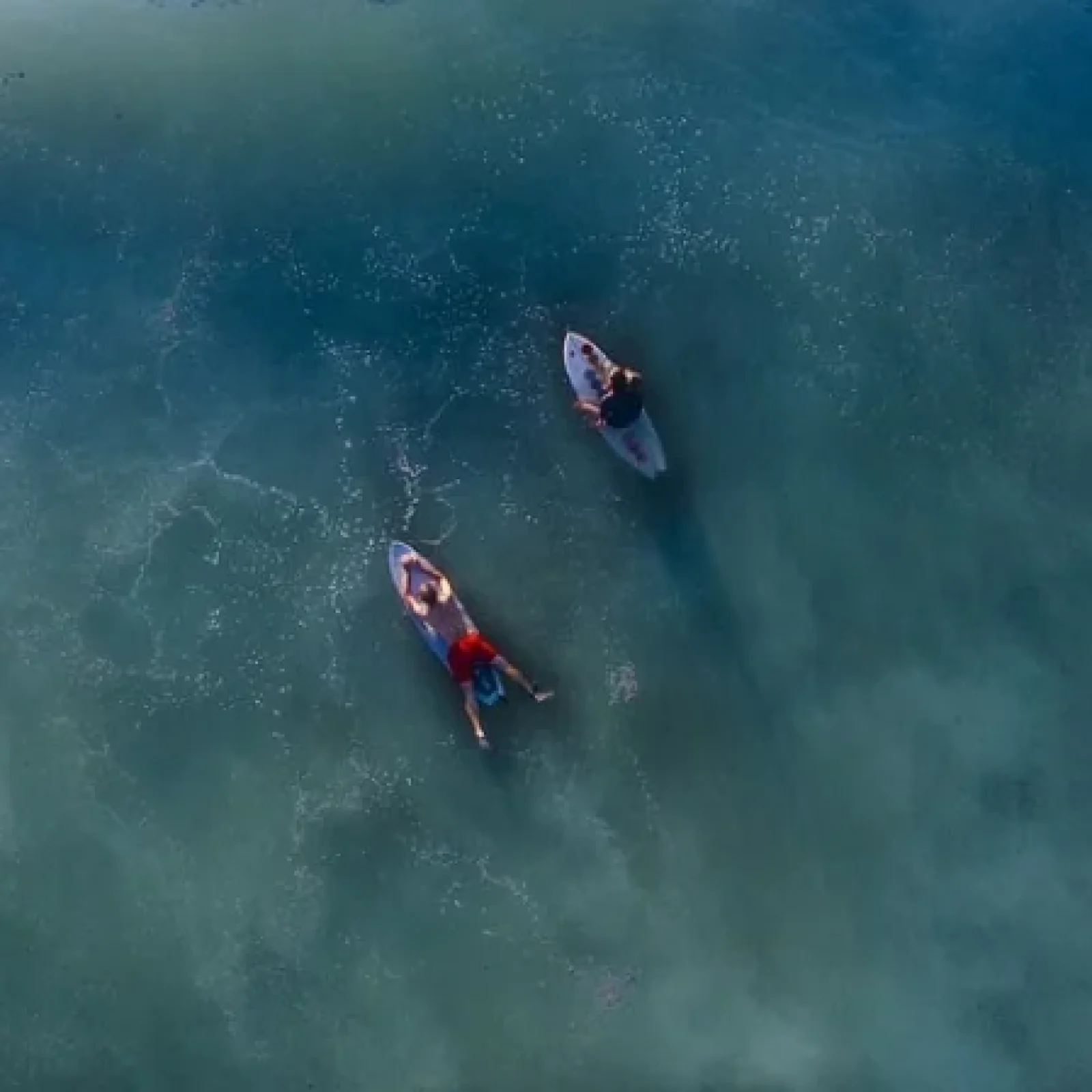
When to go, what level, what it costs, what to bring. The full Bali surf trip primer in one read.
Read guide →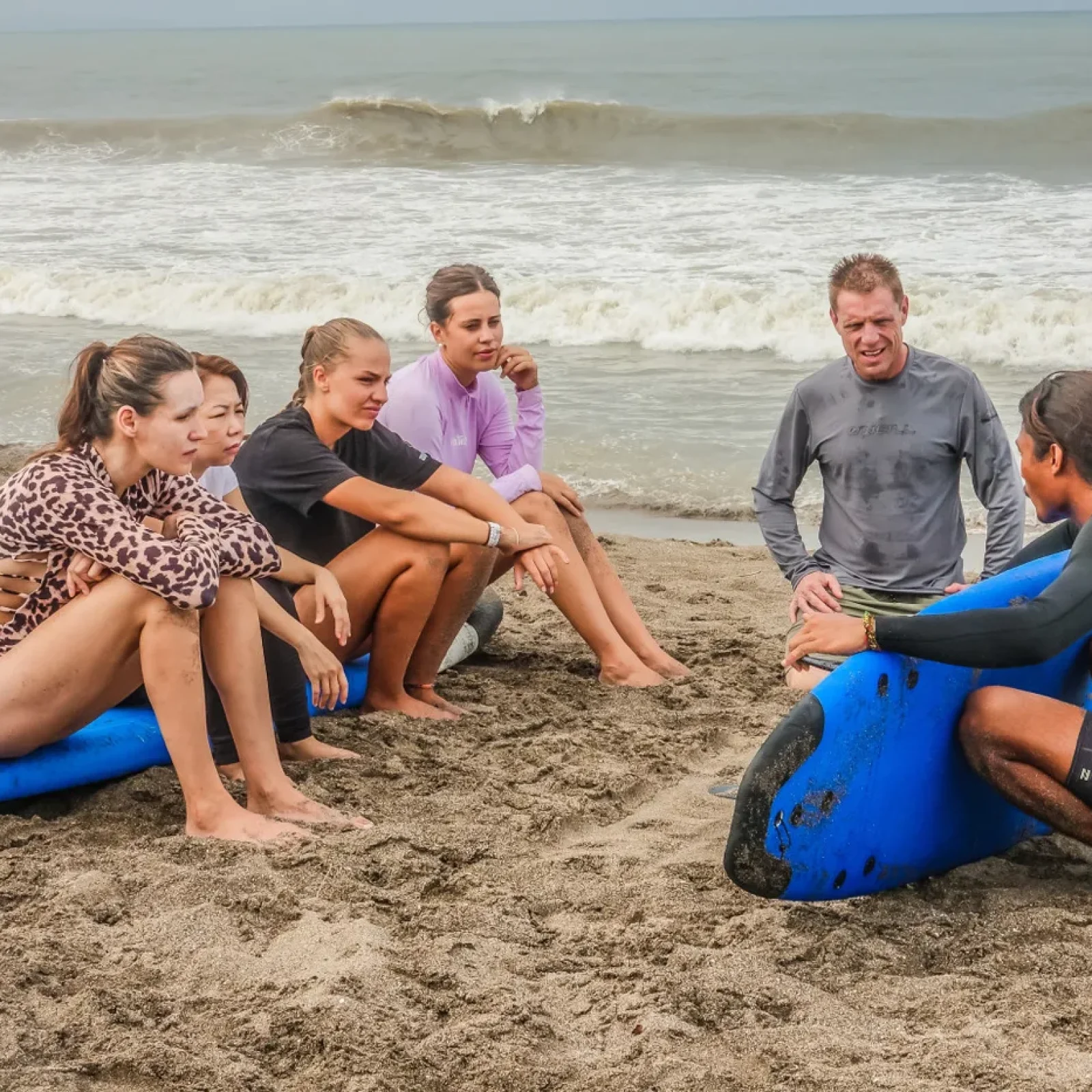
The four Bali camps Waverick partners with on the ground. By region, vibe and budget.
Read guide →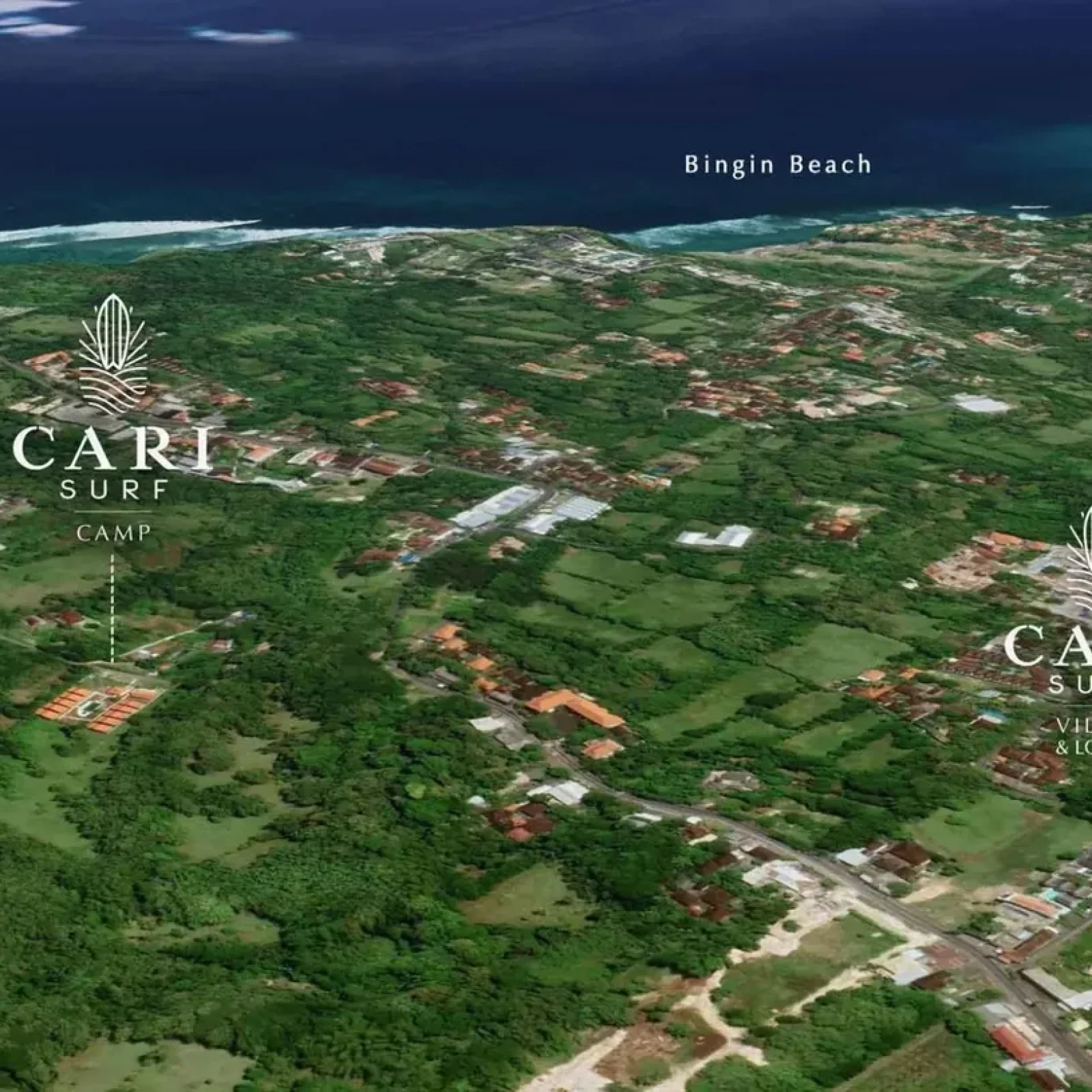
Bukit reefs, Canggu beach breaks, east-coast wet-season pivots. Every Bali surf zone by wave type and level.
Read guide →May to September is the sweet spot: dry, off-shore on the Bukit, swell pumping. June and July are the busiest months. April and October are shoulder season with smaller crowds. Wet-season trips (Nov-Mar) work if you commit to the east coast.
None. Boardshorts and a rash vest year-round. Water sits at 26-29 °C. A surf hat helps under the dry-season sun, especially on long sessions at Uluwatu.
Denpasar (DPS) is the only entry. Flights from Europe go via Doha, Singapore or Kuala Lumpur. Most camps offer airport transfer; otherwise Grab or Gojek to Canggu (45 min) or Uluwatu (1 hour).
All-inclusive surf camp: €600 to €1,300 a week. Mid-range villa with private room: €40 to €80 a night. Warung meals: €3 to €5. Scooter rental: €5 a day. Surf-board rental: €5 to €10 a day.
Visa-on-arrival is around €35 (500,000 IDR) for 30 days, extendable once for another 30. Apply for the e-VOA online before you fly to skip the airport queue. Passport must have 6 months validity.
Indonesian (Bahasa Indonesia) nationally, Balinese on the island. English is fluent in Canggu, Uluwatu and any tourist zone. Currency is the Indonesian rupiah (IDR), roughly 17,000 to the euro.
Compare camps in Canggu and Uluwatu, the two regions where Waverick partners on the ground. All-inclusive trips with daily lessons, video coaching, half board and airport transfers. Book direct with the camp, no middleman.
See Indonesia Surf CampsMay to September for the Bukit Peninsula (Uluwatu, Padang Padang, Bingin). June and July are the biggest swells but also the most crowded; May and September are the value sweet spot with similar swell and lighter line-ups. November to April is wet season, when Bali pivots to the east coast (Keramas, Sanur, Nusa Dua) and Canggu still works most days.
Yes, especially Canggu. Old Man's, Batu Bolong and Berawa are forgiving sand and reef-top breaks with surf schools every 50 metres along the sand. Kuta Beach is the original learners' spot and still a good call on a small day. The crowd is the catch: Old Man's is busy from 7am, so book lessons through your camp and they'll have a coach with you in the right peak.
Bali. Lombok has Desert Point and Are Guling, but the logistics (ferry plus a long drive) make it a second-trip island. Bali fits everything inside a 90-minute scooter radius: beginner sandbars in Canggu, advanced reefs on the Bukit, wet-season options on the east coast, all from one base. Save Lombok for trip number two when you know what you're chasing.
Ten days minimum, two weeks ideal. The flight from Europe is long and you lose a day each way, so anything under a week is a hard reset. Two weeks lets you split between Canggu (year-round, social, easier waves) and Uluwatu (Bukit reef classics, dry season only) without rushing.
Not the washout people imagine. Rain comes in 90-minute tropical bursts most afternoons, then it clears. The trade-wind direction flips, so the south coast blows out by mid-morning but the east coast (Keramas, Sanur, Nusa Dua) cleans up. Canggu's south-west exposure means it still works most days. Prices drop 20-30% and the Bukit empties, so it's a real option if you can be flexible on spots.
Easily. Canggu is the family base: surf schools at Batu Bolong run kids' lessons from age 6, villa-style camps are common, and the warung culture is laid-back about kids running around. Avoid the Bukit reefs with smaller children (sharp rocks, urchins, no shore break to play in). Sanur on the east coast is the calmest swimming option for non-surf days.
No. Bali is one of the cheapest places on earth to rent or buy a board. Daily rental runs €5 to €10, weekly rates from €30. Drifter Surf Shop in Berawa, the Quiksilver Boardriders complex and Single Fin Uluwatu all rent quality boards. If you do bring your own, most airlines charge €70 to €120 each way, so do the math against three weeks of local rental.
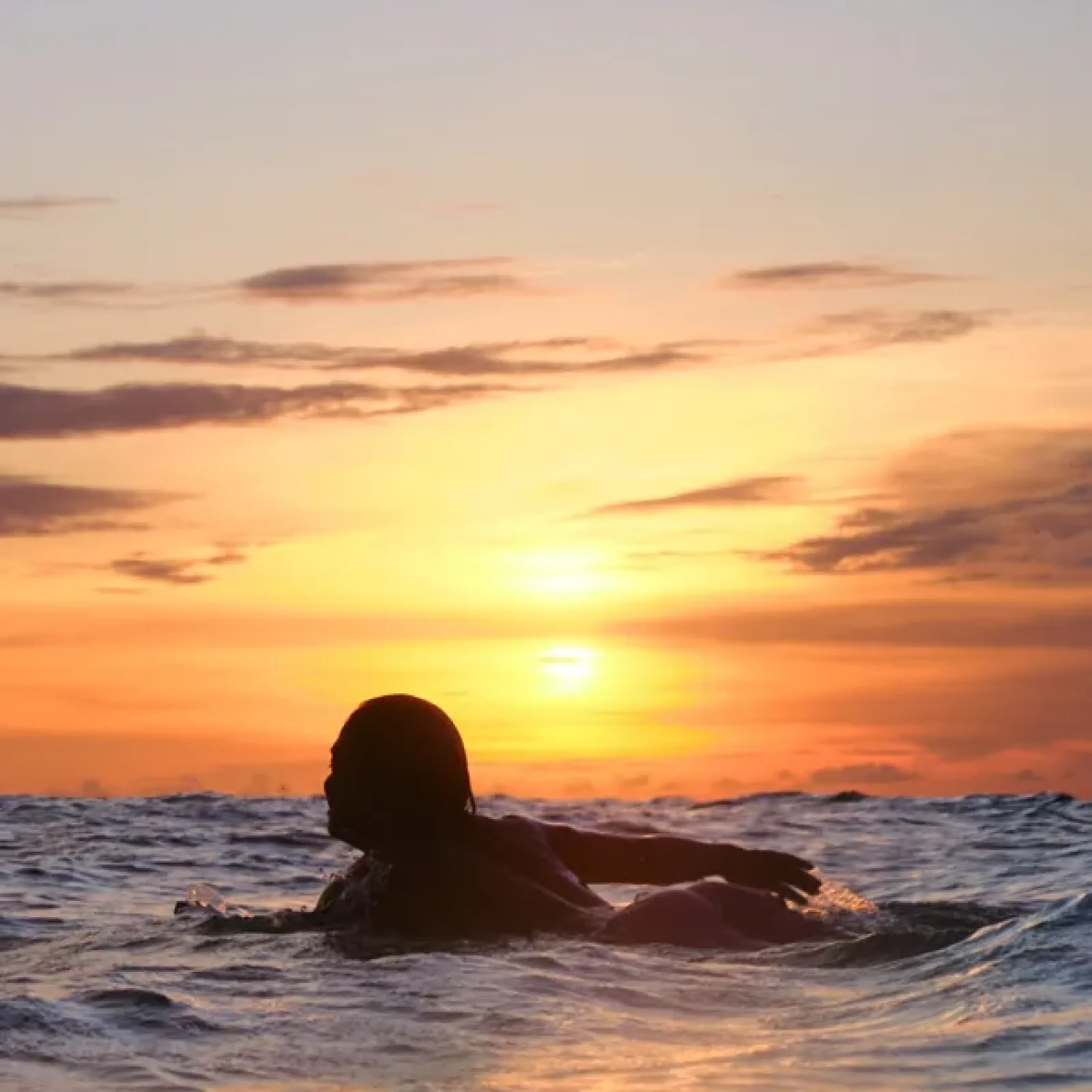
Canggu is Bali's most social, most year-round surf town. 5 named breaks, walking distance everything, 3 of 4 Waverick partner camps. The Saturday at Old Man's tradition.
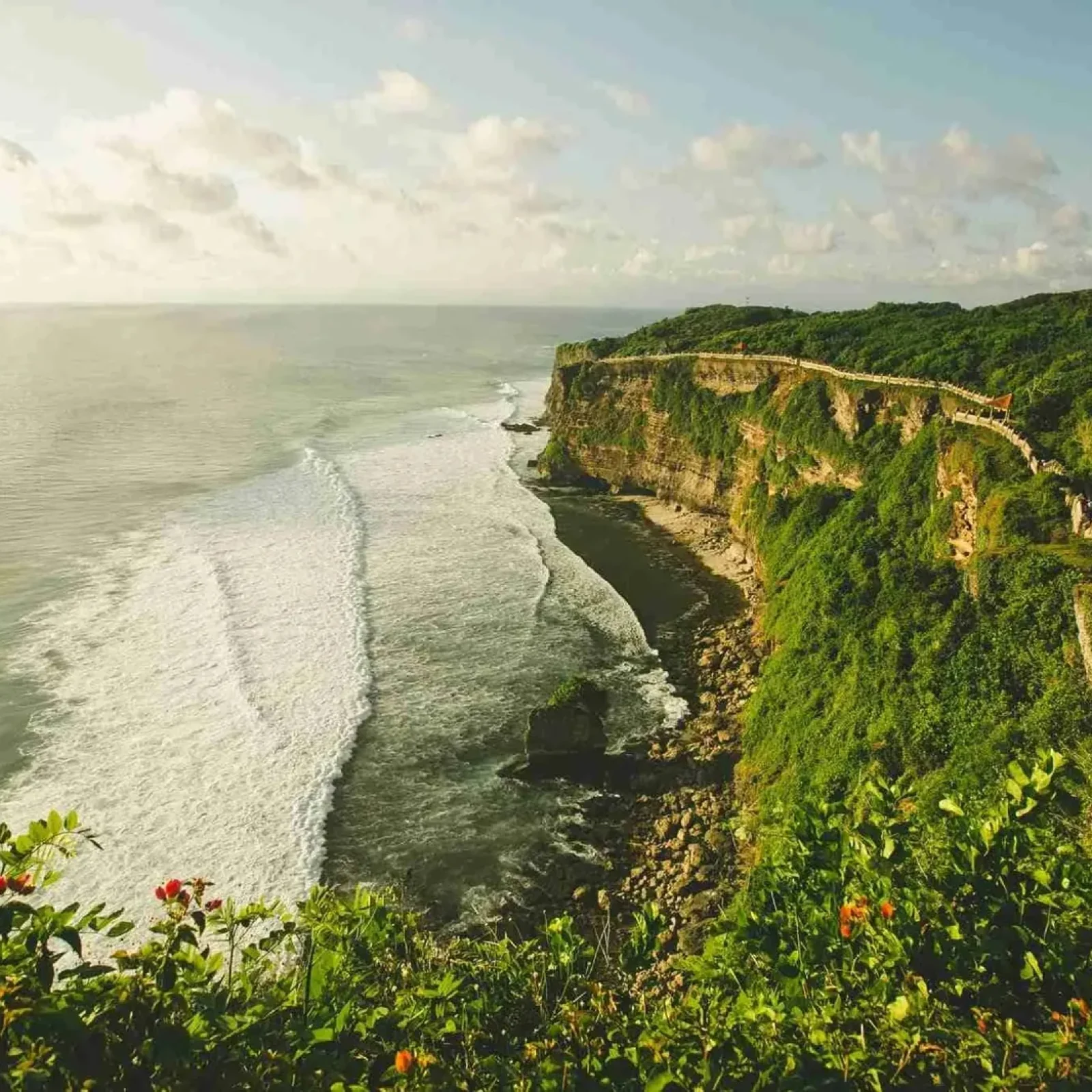
Uluwatu and the Bukit Peninsula are reef breaks only. Dry season May-Oct fires. 6 named spots, all advanced. Single Fin Sundays. Bring booties.
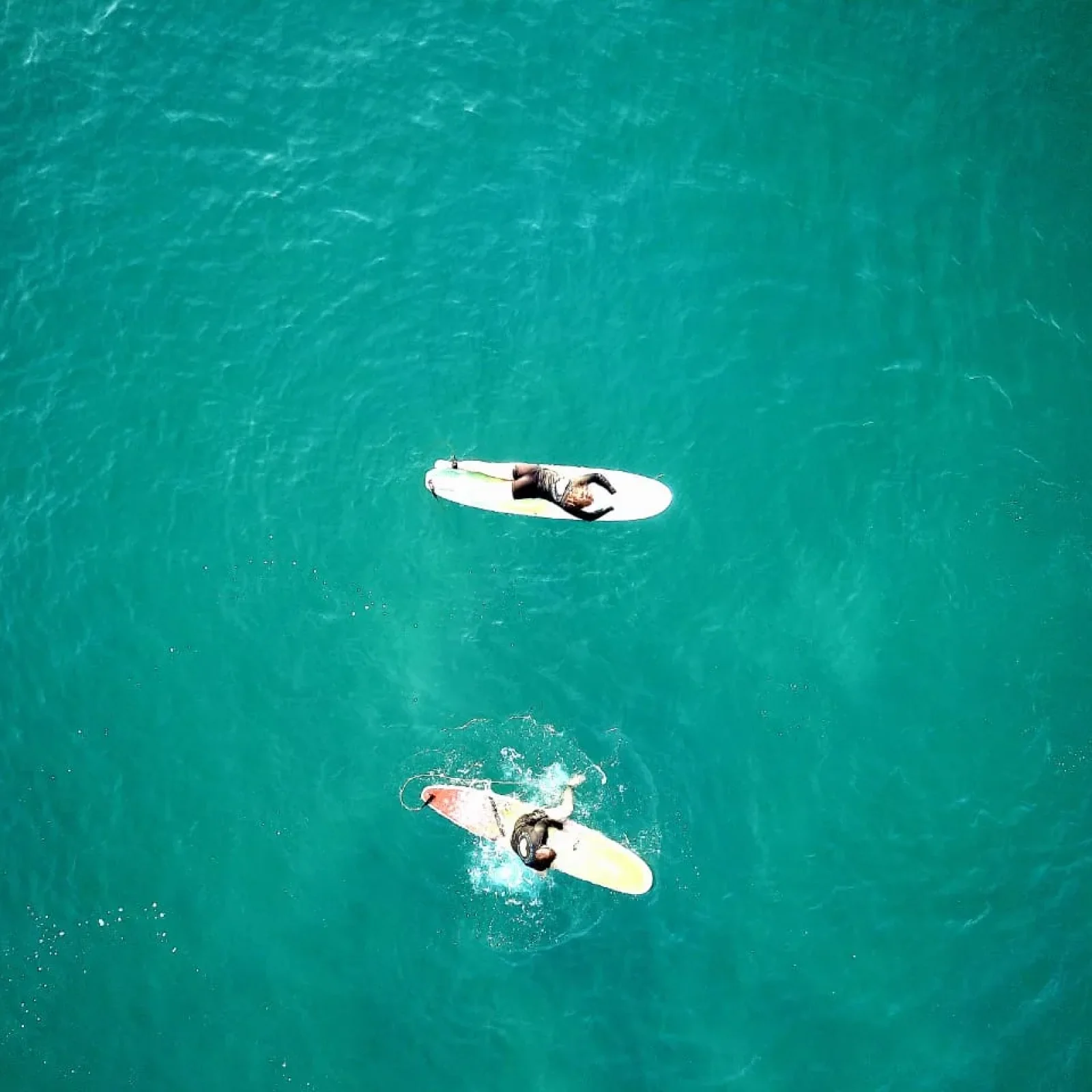
Sri Lanka's east coast surf town. Five named points within 10 kilometres of tuk-tuk: Main Point, Whiskey Point, Peanut Farm, Elephant Rock, Pottuvil Point.
