 English
 Français
  Deutsch
  Español
  Italiano
 Where to surf in Bali: spots by region
Canggu, Uluwatu, the east coast, the north. Which region matches your level and season.


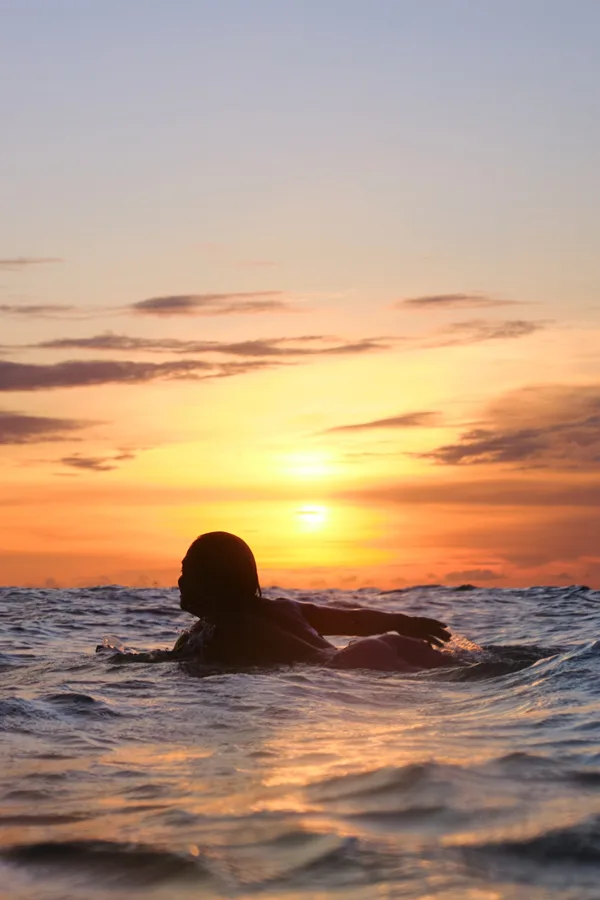
Canggu is Bali's most social, most year-round surf town. 5 named breaks, walking distance everything, 3 of 4 Waverick partner camps. The Saturday at Old Man's tradition.
Canggu is Bali's most social surf town and the spot most first-timers land in. Five kilometres of black-sand coast between Berawa and Pererenan, three flavours of wave inside a 20-minute scooter ride, and a year-round season with no real off-month. The whole place is built around surfing, then coffee, then sunset Bintangs.
The wave logic is simple. Old Man's (officially Pantai Batu Mejan) is the soft, mushy peak where everyone learns: long rides, sand-and-rubble bottom, forgiving on the head. Walk a few minutes north to Batu Bolong and the same beach picks up a touch more punch for early intermediates. Echo Beach is the next bay over: bigger, faster, reef underneath, the spot that humbles you on a 6 ft day. Pererenan beyond Echo holds reef peaks for surfers who already know what they're doing. Berawa, on the south end, is the chiller residential side with smaller surf and the best dawn-patrol coffee corners.
Three of Waverick's four Bali partner camps are in Canggu: In Da Surf (family villas with private pool), Mondo Surf Village (social camp built around video coaching), and Soleia Surf Canggu (mid-range surf-house, quieter end). Walking distance to the lineup, scooter distance to everything else. Looking for a packaged trip? See Canggu surf camps →
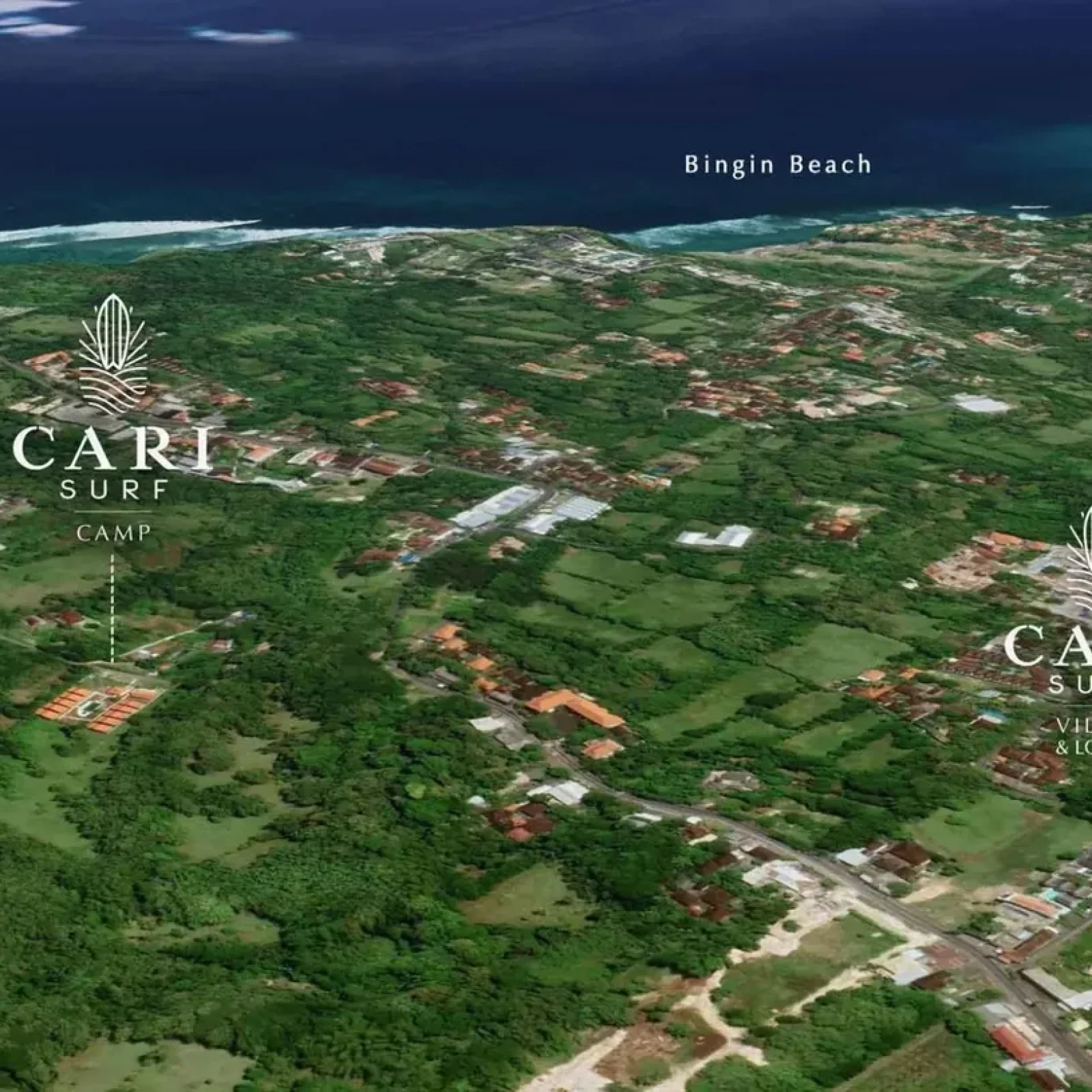
Canggu, Uluwatu, the east coast, the north. Which region matches your level and season.
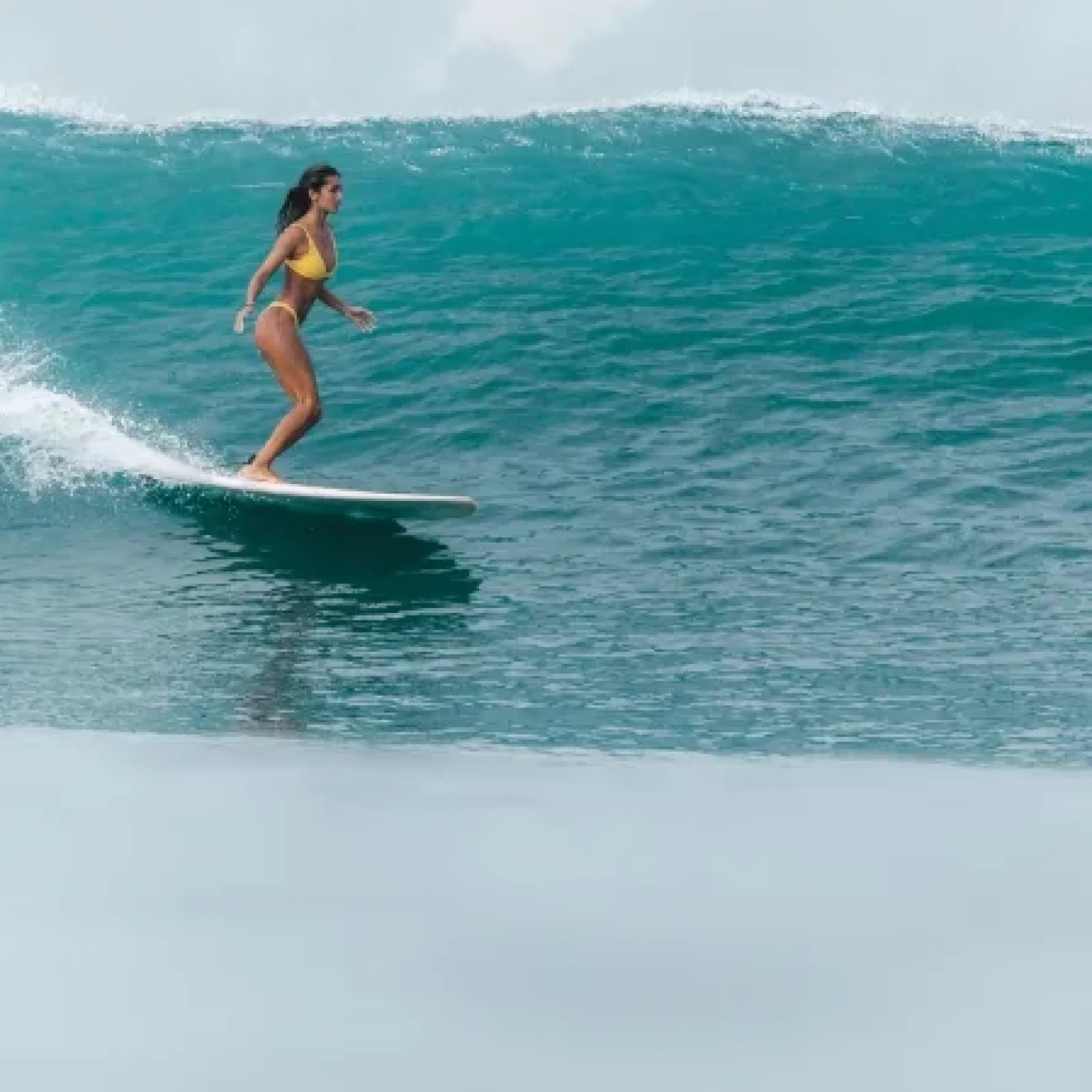
Spot-by-spot: where to start, where to progress, when each break works best.
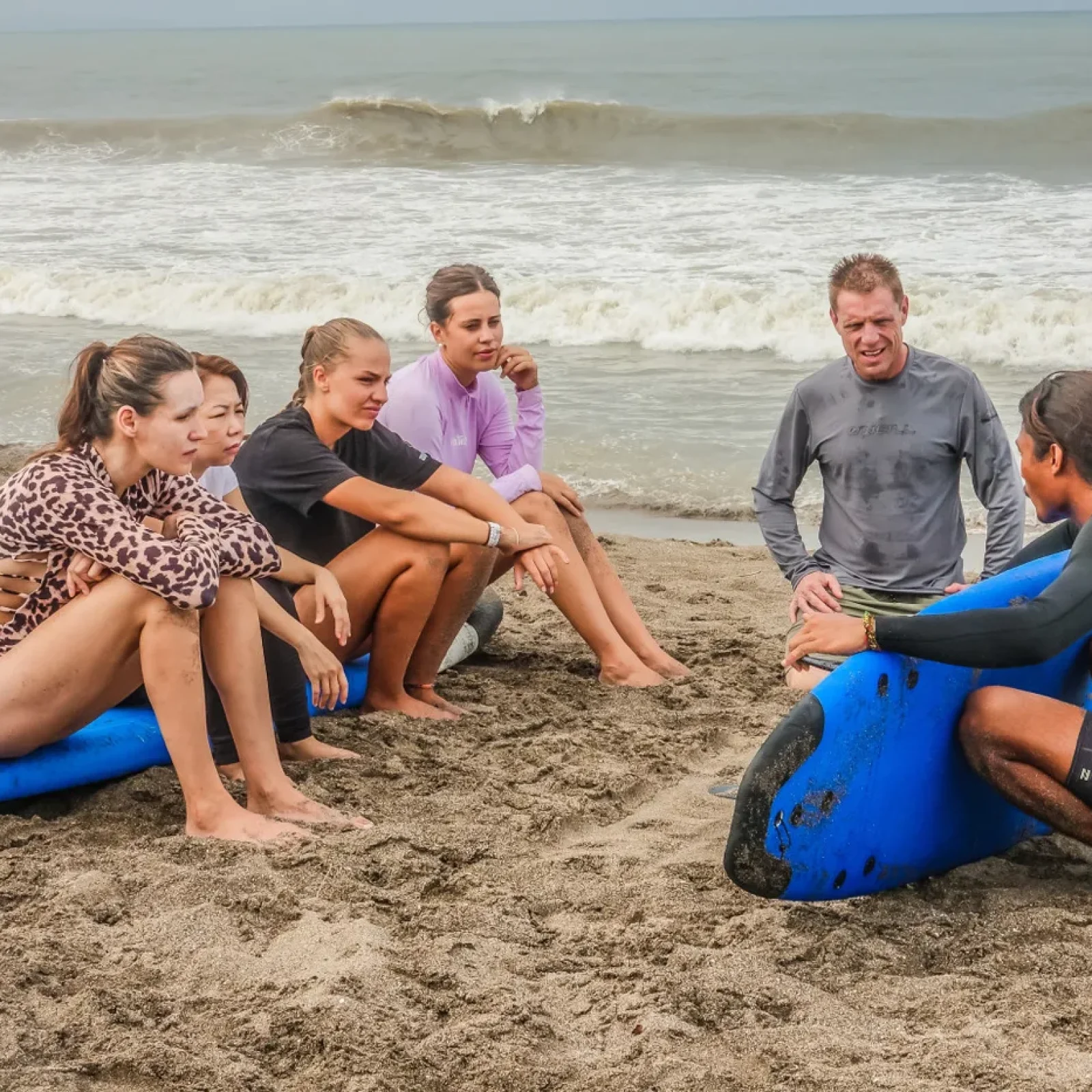
The four Waverick partners across Canggu and Uluwatu, compared by vibe, level and budget.
Canggu works year-round. May to October is the dry season: bigger swell, offshore mornings, busier lineups. Shoulder months (April-May, September-October) are the sweet spot: clean waves, fewer surf-school groups, smaller crowds. November to April is the wet season with smaller waves and daily afternoon thunderstorms, still surfable for beginners.
Boardshorts and bikinis all year (water sits 26 to 29 °C). A 1 mm vest is useful only on cool dawn patrols November to March, and only if you get cold easily. Most surfers in Canggu never own a wetsuit.
Denpasar (DPS) is the only airport: 45 to 60 minutes by car depending on traffic. Always pre-book a transfer with the camp or use Grab from the arrivals app. Once in Canggu, a scooter is the move (€5 to 7 a day from any rental shop). Bring an international license, ride defensively, helmet on.
Canggu is the surf-school capital of Bali. Saturday changeovers in summer, dozens of mid-range camps clustered around Batu Bolong, and three Waverick partners between Berawa and Echo Beach. The vibe spans 18 to 30 social camps (Mondo) to family-villa setups (In Da Surf) to chilled surf-houses (Soleia). Pick your tribe.
Mid-range surf camp €75 to 110 a night with breakfast and lessons. Surf-house private room €60 to 90. Group surf lesson €25 to 35. A warung plate of nasi campur €3 to 7. Western restaurant €10 to 18. Late July and August (peak) push everything up 30 to 40%, so dodge those weeks if you can.
Five kilometres of black-sand coast, walking-distance everything if you stay near Batu Bolong, scooter-distance the rest. Drifter Surf Shop on Jl. Batu Bolong is the cultural HQ. Deus Ex Machina (the surf-and-motor cafe corner on Jl. Batu Mejan) draws a Saturday crowd. Old Man's Saturday session is the weekly social ritual. Traffic gets dense from 4 pm: surf early, eat late.
Three of our four Waverick Bali partners are based here. In Da Surf for family villas with a private pool and a kids surf school. Mondo Surf Village for the social-camp setup with daily lessons and video coaching. Soleia Surf Canggu for a quieter mid-range surf-house with half-board. All three within scooter reach of Old Man's. Book direct, no middleman.
See Canggu, Bali Surf CampsYes: Canggu is one of the easiest places in the world to learn. Old Man's (Pantai Batu Mejan) and Batu Bolong are the two main beginner peaks: long, soft, mushy waves over a sand-and-rubble bottom. Water is warm year-round (26 to 29 °C), the lineups are friendly, and the sheer number of surf schools means lessons are cheap (€25 to 35 a group session) and easy to book. Most Waverick partner camps in Canggu run their own school.
They're the same beach, separated by maybe 200 metres of sand. Old Man's is the southern end and slightly mellower: the take-off zone is wider, the wave is softer, and the inside reform is where most schools push first-timers. Batu Bolong (the northern end, where Deus and most warungs cluster) picks up a touch more energy and is better once you're standing up and turning. Most surf schools rotate between both depending on the day's swell.
Walk back south to Old Man's or Batu Bolong (both forgiving sand-bottom). If even those feel busy, Berawa Beach on the south end of Canggu is a quieter beach break with smaller crowds. Or scooter 20 minutes south to Seseh-Mengening, a black-sand stretch with fewer surf schools. Save Echo for when you're ready: it's a fast, hollow reef-and-sand mix that wants pop-ups, not paddle-into-the-foam.
Canggu if it's your first surf trip ever, or if you're travelling with friends, kids, or a non-surfing partner. Sand-bottom beach breaks, dozens of surf schools, walkable centre, and 18-to-30 social energy. Uluwatu if you're already an intermediate, want reef peaks and dramatic cliffs, and prefer quieter mornings to busy nightlife. A lot of surfers do a mixed trip: 4 nights Canggu, 4 nights Uluwatu.
November to April still gets surfable waves, just smaller and less consistent. The pattern is: clean offshore mornings, building cloud through midday, afternoon thunderstorm by 3 or 4 pm. Surf early, plan indoor lunches, evenings clear up. Old Man's and Batu Bolong are the most reliable in wet season because they sit on a wide sandbar that holds shape on small swell. Bonus: lower prices, fewer crowds, greener rice fields.
Berawa (south end) is more residential, quieter at night, has the bigger gym scene, and is a 10-minute scooter from Old Man's. Echo Beach (north end) is closer to the reef break, has a string of beachfront bars and Saturday sunset crowds, and is 5 minutes by scooter to Pererenan when Echo is too big. Batu Bolong (in between) is the busiest core: walking distance to everything, also the loudest at night. Pick your trade-off.
Plenty: yoga at The Practice or Samadi, scooter day trips to the Tegalalang rice terraces or Tibumana waterfall (90 minutes inland), a Saturday morning at the Samadi farmers market, a session at Drifter Surf Shop on Jl. Batu Bolong, or a flat-day reset at Deus's cafe with a coffee and a longboard browse. Sunsets at Old Man's bar are the standard end-of-day spot.
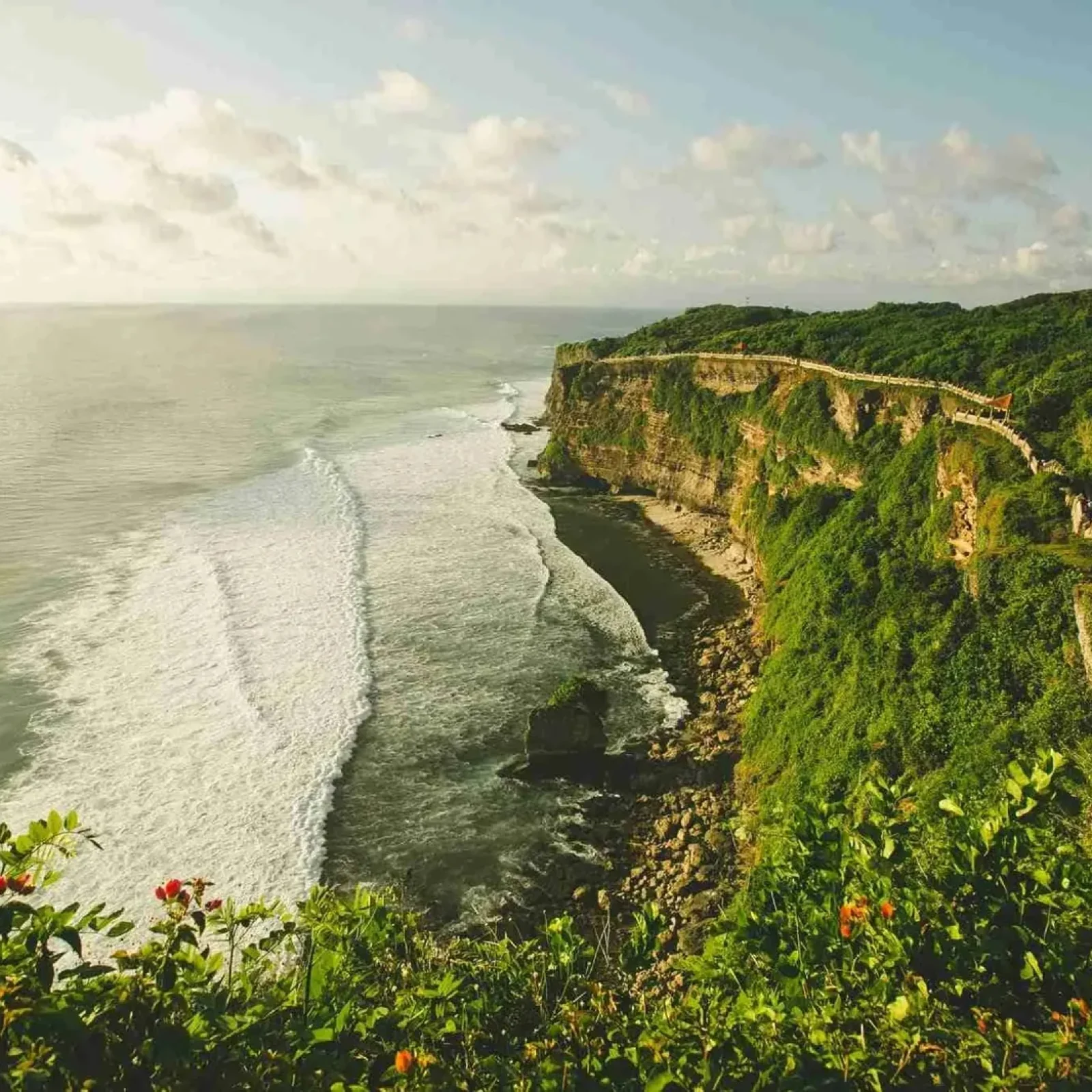
Uluwatu and the Bukit Peninsula are reef breaks only. Dry season May-Oct fires. 6 named spots, all advanced. Single Fin Sundays. Bring booties.
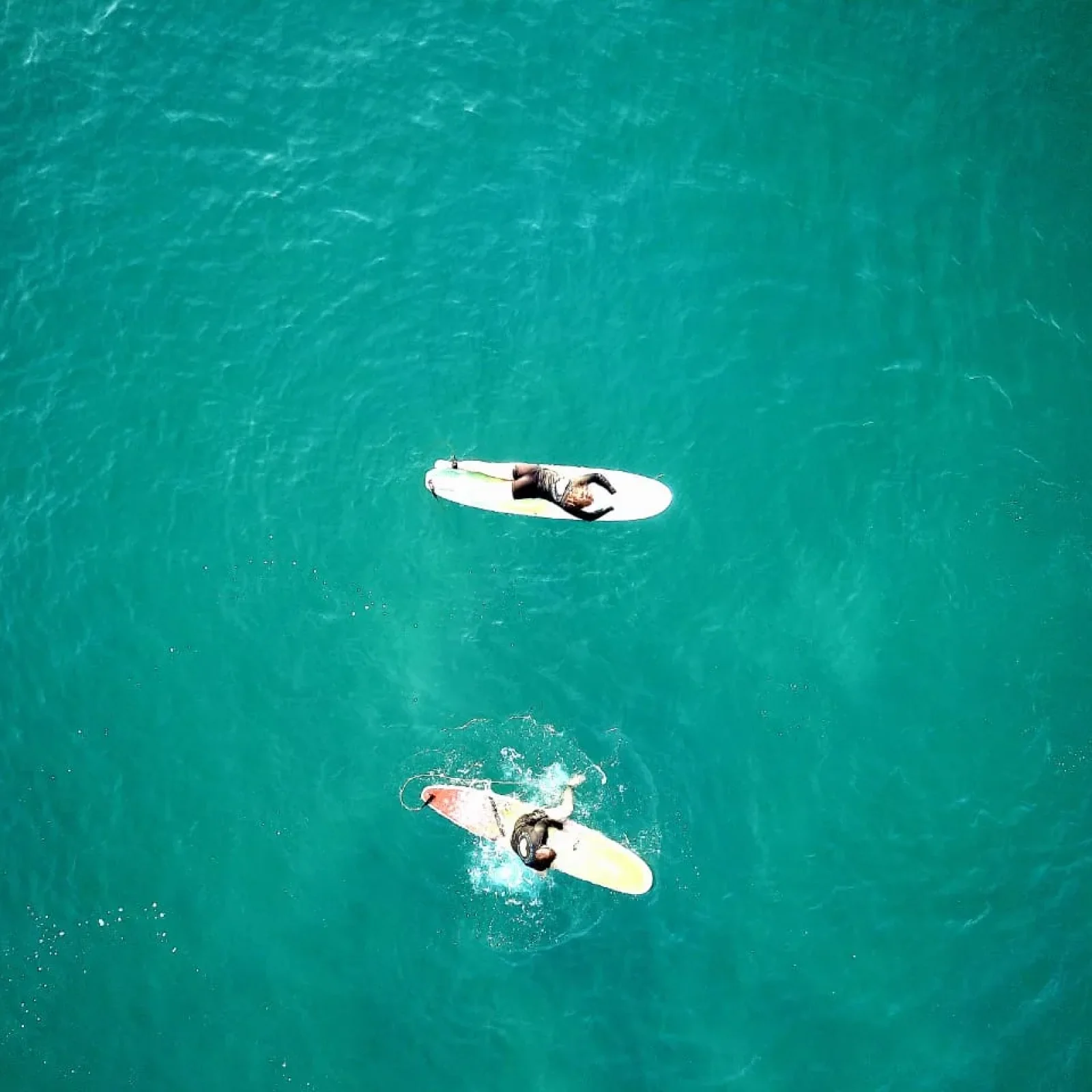
Sri Lanka's east coast surf town. Five named points within 10 kilometres of tuk-tuk: Main Point, Whiskey Point, Peanut Farm, Elephant Rock, Pottuvil Point.
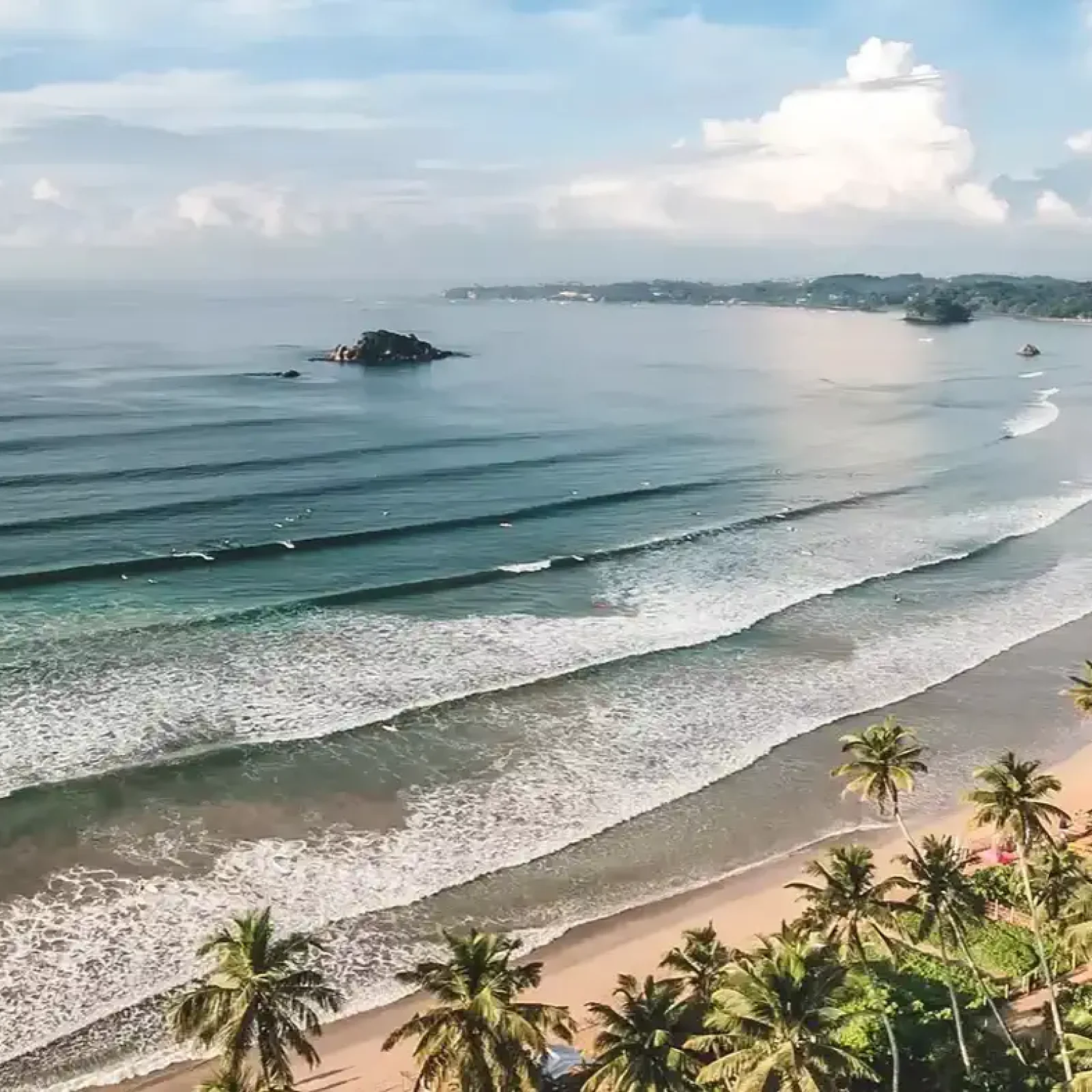
Sri Lanka's south coast surf-school capital. Sandy beach breaks at Kabalana, friendly reef points at Plantations, and a 20-kilometre cluster of named breaks from November to April.
