 English
 Français
  Deutsch
  Español
  Italiano
 Surf Uluwatu: The Bukit Peninsula Guide
The full breakdown of all six Bukit breaks, tide windows, swell direction, and which spot fires when. Read this before you paddle out.


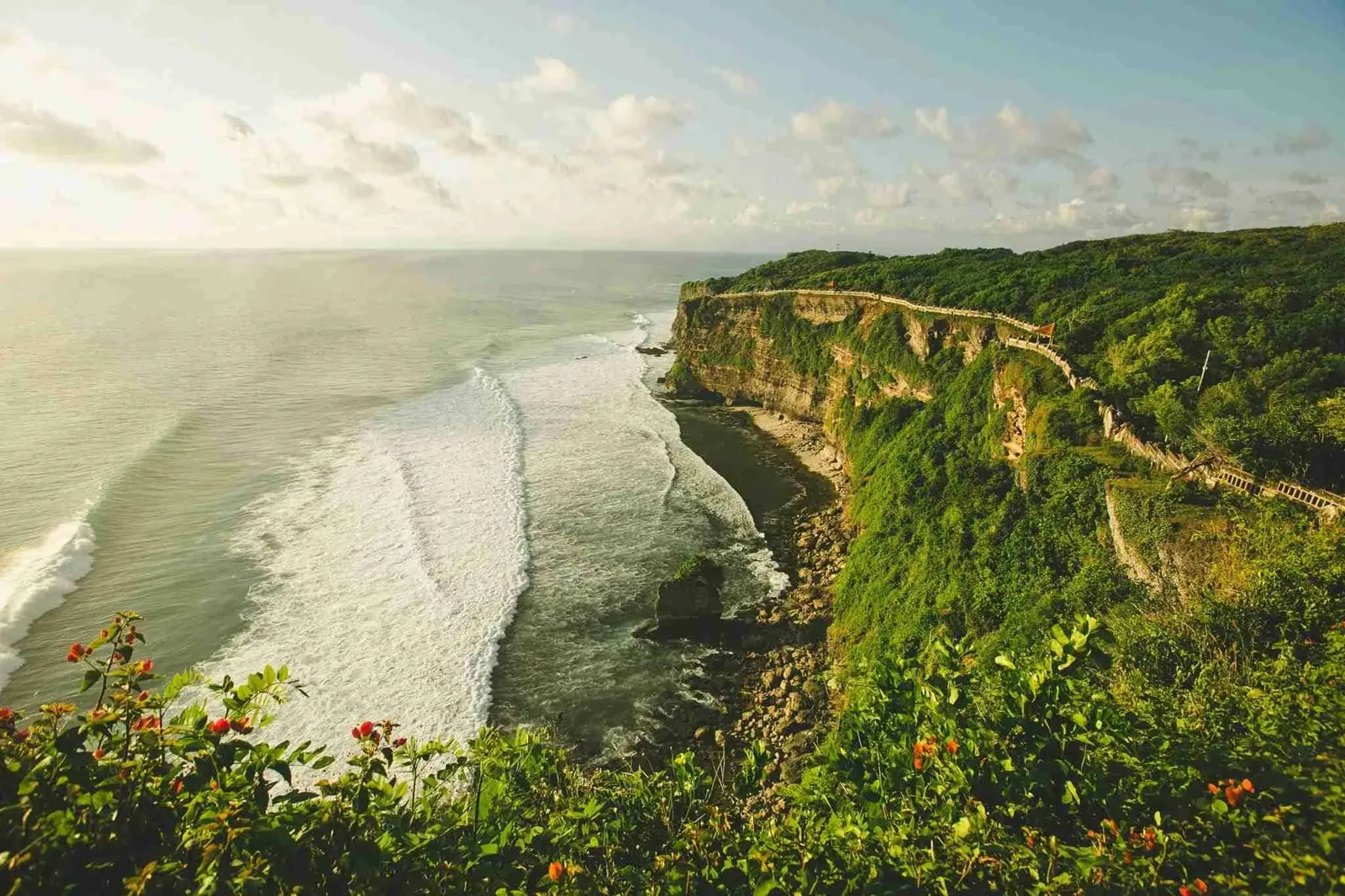
Uluwatu and the Bukit Peninsula are reef breaks only. Dry season May-Oct fires. 6 named spots, all advanced. Single Fin Sundays. Bring booties.
Uluwatu sits on the Bukit Peninsula, the limestone clifftop south of Denpasar that hangs above the Indian Ocean like a stage. Reefs only down here: no beach breaks, no soft sand-bottom forgiveness. Every wave fires off karang (limestone) reef, and every paddle out starts with a cliff descent or a cave staircase.
Six named breaks define the Bukit lineup. Uluwatu itself splits into four peaks (Outside Corner, Main Peak, Racetracks, Temples). Padang Padang is the local Pipeline, a heaving left tube. Bingin grinds shallow barrels. Impossibles strings together long lefts on the right swell. Balangan and Dreamland sit further north and run a touch friendlier. The dry season (May to October) is when it all fires: trade winds blow offshore from sunrise to mid-morning, the swell window is open, and the cliff bars start filling by 4pm. November to April flips the script: westerlies blow the Bukit out and the surf migrates to Bali's east coast.
CARI Surf Camp is Waverick's only Bukit partner, a small surf-house walking distance to Padang Padang and Uluwatu. Read on for the practical guide. Looking for a packaged trip? See Uluwatu surf camps →
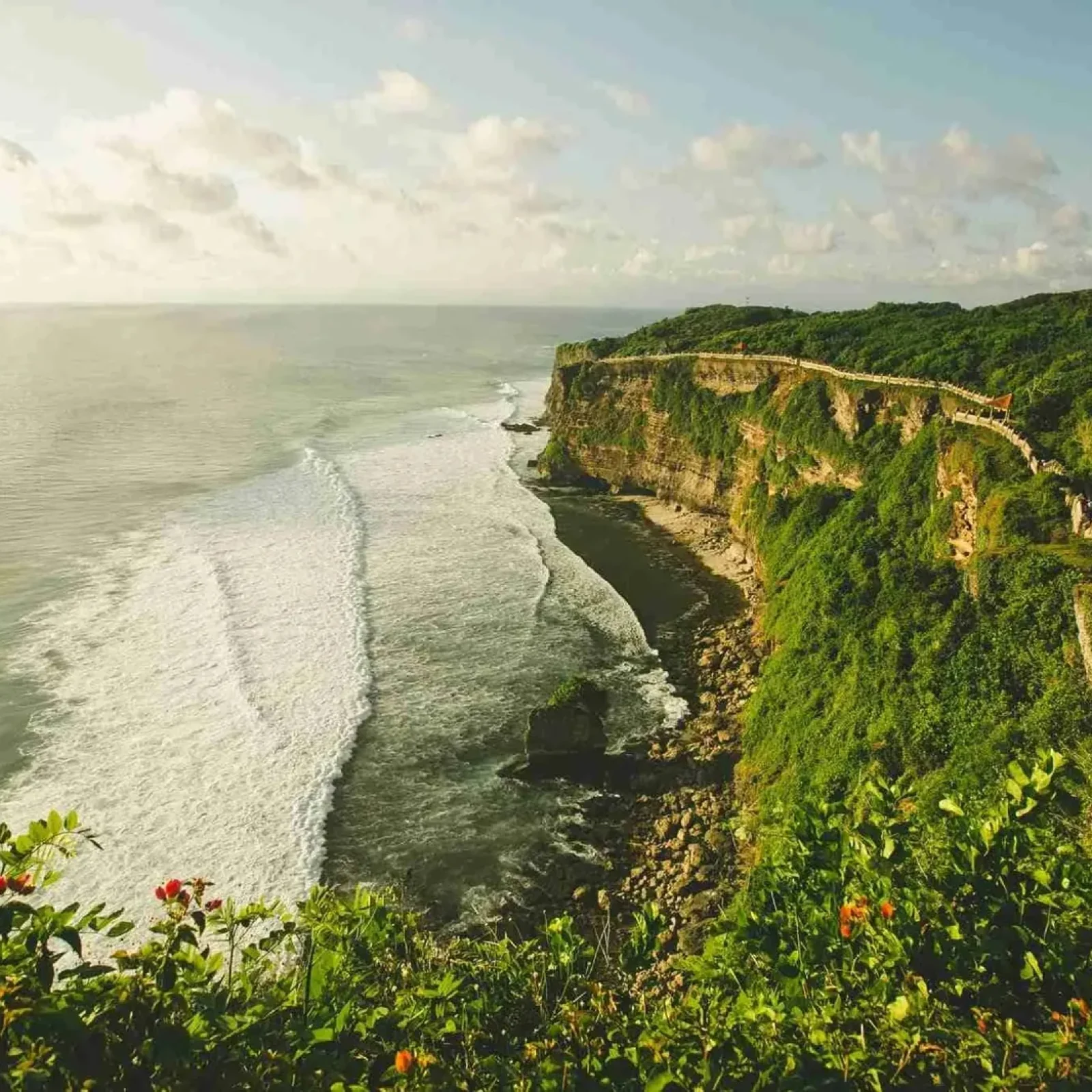
The full breakdown of all six Bukit breaks, tide windows, swell direction, and which spot fires when. Read this before you paddle out.
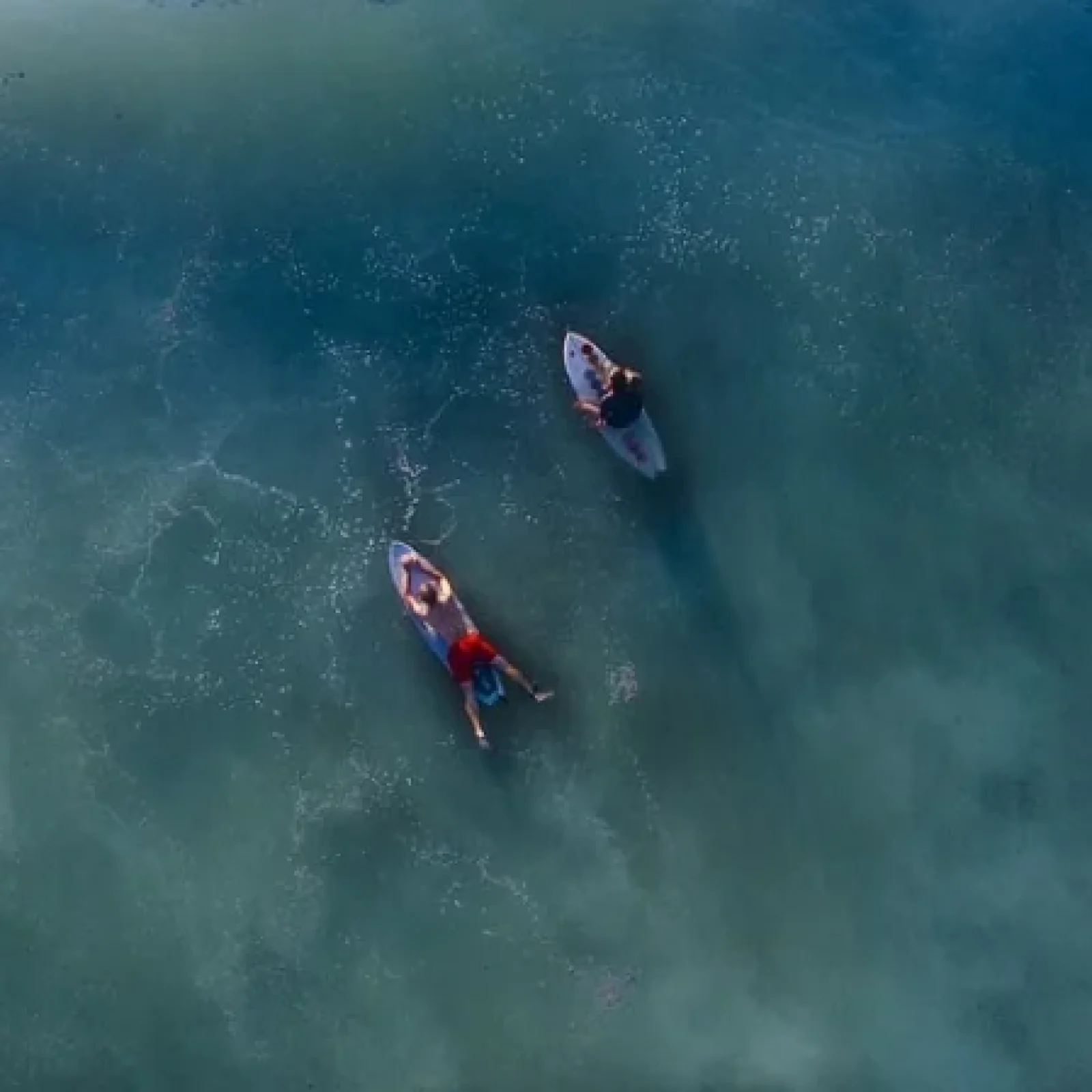
Bali end to end: dry-season versus wet-season pivots, where to base yourself, visas, scooter rules, and the regions surfers actually care about.
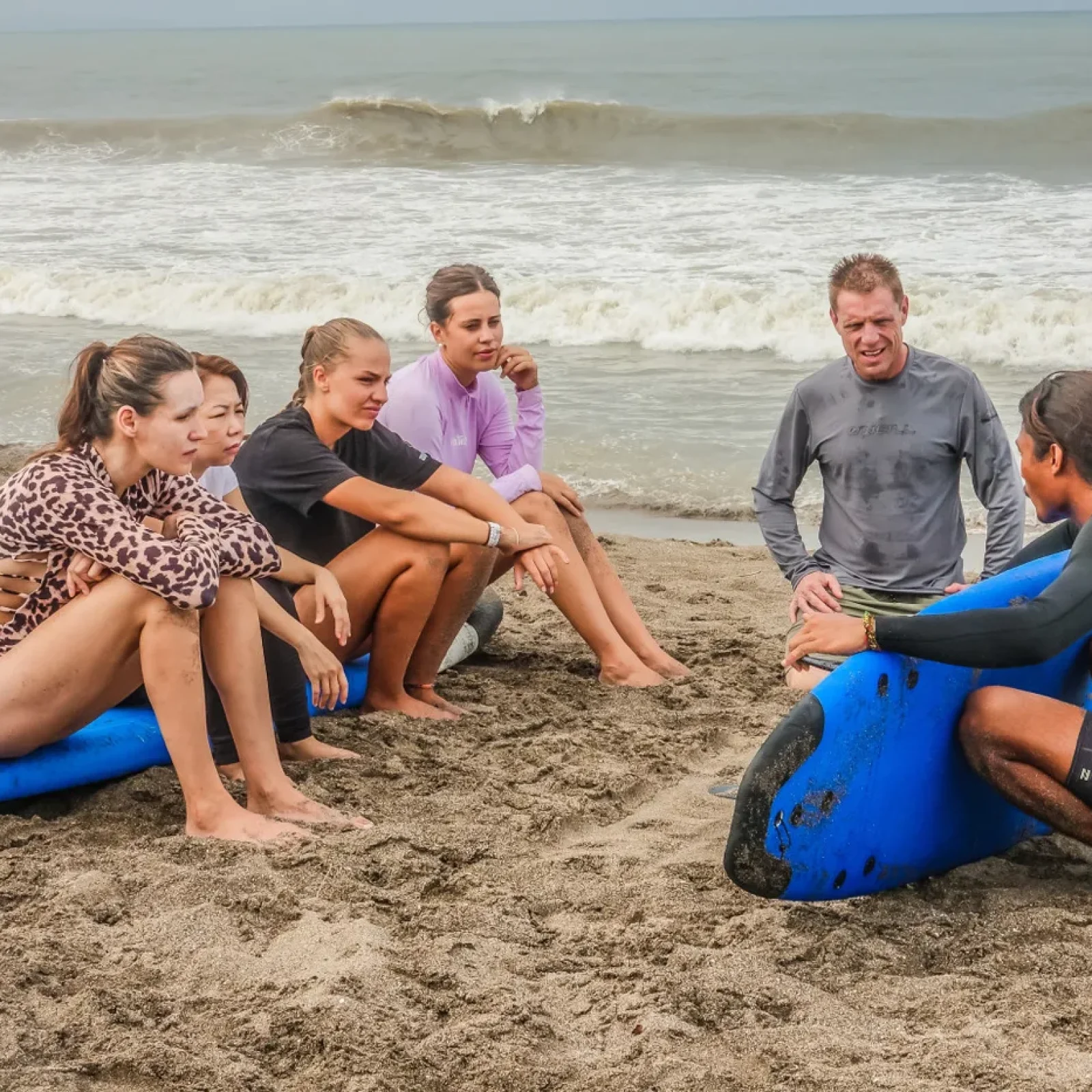
Four Waverick partners across Canggu and the Bukit, side by side. Who's a fit for first-timers, who's a fit for charging the reefs.
May to October is the dry-season firing window. September and October are the shoulder sweet spot: 28 °C water, swell still consistent, fewer crowds than July-August. November to April is monsoon: westerlies blow the Bukit out and the action moves to Bali's east coast.
None needed. Boardshorts and a rash vest year-round (water 26-29 °C). Booties are recommended for the karang reef, especially at Bingin and Padang Padang at low tide.
Denpasar (DPS) is 30 minutes by car from Uluwatu, the closest international airport. Bukit roads are tight and busy: a scooter or a driver-on-call beats trying to navigate yourself. From Canggu it's 30-45 minutes on a quiet day, longer in evening traffic.
Uluwatu (four peaks: Outside Corner, Main Peak, Racetracks, Temples). Padang Padang (the Bukit's left tube). Bingin (shallow barrel machine). Impossibles (long lefts, fast and connecting). Balangan (less crowded, longer lulls). Dreamland (the friendliest of the bunch, sand mixed in with reef).
Surf-house: €80-130 per night. Surf camp with lessons and half board: €95-150 per night. Group lesson: €25-40. Single Fin drink: €5-12. Warung meal: €3-8. Western restaurant: €10-22. The Bukit runs cheaper than Canggu on accommodation, similar on food.
Limestone clifftop temple atmosphere, sunset cliff dinners, Single Fin Sundays at the cliff bar, Pura Luhur kecak fire dance, and surf-house cafes scattered along narrow roads. Less manic than Canggu, more intense surf-only focus. People here are on the Bukit because they came for the waves.
CARI Surf Camp is the Waverick partner on the Bukit Peninsula. Boutique surf-house with mezzanine studios (loft-style with stairs to the bed area), walking distance to Padang Padang and Uluwatu reef breaks. Daily lessons or guiding, half board, airport transfers from Denpasar (30 minutes). Book direct, no middleman.
See Uluwatu, Bali Surf CampsHonestly, no. The Bukit is reefs only: every break fires off shallow karang (limestone), there are no sand-bottom beach breaks down here. Even Dreamland, the friendliest of the six, is more intermediate than learner. If you've never surfed, base yourself in Canggu (Batu Bolong has a soft sand-bottom whitewater zone perfect for first sessions) and visit the Bukit for sunset drinks at Single Fin instead. Once you can paddle, take off, and ride down the line on a sand-bottom wave, then come south.
May to October is the dry-season window. Trade winds blow offshore (south-easterly) from sunrise to about mid-morning, the Indian Ocean swell window is wide open, and the Bukit reefs all light up. July and August are the absolute peak: biggest swells, biggest crowds. September and October are the shoulder sweet spot: water still 28 °C, swell consistent, fewer hordes in the lineup. November to April is monsoon season: westerlies blow the Bukit out and the action shifts to Bali's east coast (Sanur, Nusa Dua, Keramas).
The nickname is earned. Padang is a heavy left-hand reef tube, breaks shallow over karang, and on a solid south swell at mid tide it produces clean cylindrical barrels that look like Pipe with palm trees. The 'real' Padang only works a handful of days each season (it needs 6 ft+ south swell, mid-incoming tide, light offshore). On smaller days it's still a quality wave but more makeable. The crowd factor is intense when it's on: the Rip Curl Cup is held here, and every visiting pro stops by. Local respect rules apply.
Depends on level. Beginners and improvers: Canggu, no question. Sand-bottom beach breaks at Batu Bolong and Old Man's, gentler reef at Echo Beach, surf schools on every corner. Intermediate to advanced: Uluwatu wins on wave quality, but the trade-off is reef everywhere and bigger consequences. Many surfers split a 10-14 day trip: Canggu for the first week to find your feet and enjoy the cafe scene, then south to the Bukit for the second week once you're surf-fit.
Strongly recommended. Karang (limestone) reef is sharp, not friendly coral. Bingin and Padang Padang at low tide are the two spots where booties save your feet on the paddle out and the entry over the inside reef. Uluwatu's keyhole cave is fine in bare feet, but if you wipe out shallow on the Outside reef you'll know about it. The local surf shops in Pecatu and Bingin sell decent booties for around €25-40.
Busy. Main Peak in July at chest-high will hold 80-100 surfers in the water. Outside Corner spreads out a bit because it only breaks on bigger days. Padang on a real day is wall-to-wall pros and locals, very tough to get a wave as a visitor. Solutions: surf the dawn patrol (5:45 to 7am, fewer people, light offshore), pick the less-famous breaks (Balangan and Dreamland are notably quieter), or book a coach who knows the daily call (CARI's guides spread guests across the Bukit based on tide and swell direction).
The social ritual of the Bukit. Single Fin is a cliff-edge bar perched directly above the Uluwatu lineup, and Sunday afternoon (from about 4pm) is when the surf community rolls in for sunset drinks, live music, and the longest day-into-night cliff session in Bali. Drinks run €5-12, the dress code is post-surf casual, and the view is straight down onto the wave you were trying to surf earlier. Worth a Sunday at least once. The Friday equivalent is on too, slightly more dance-oriented.
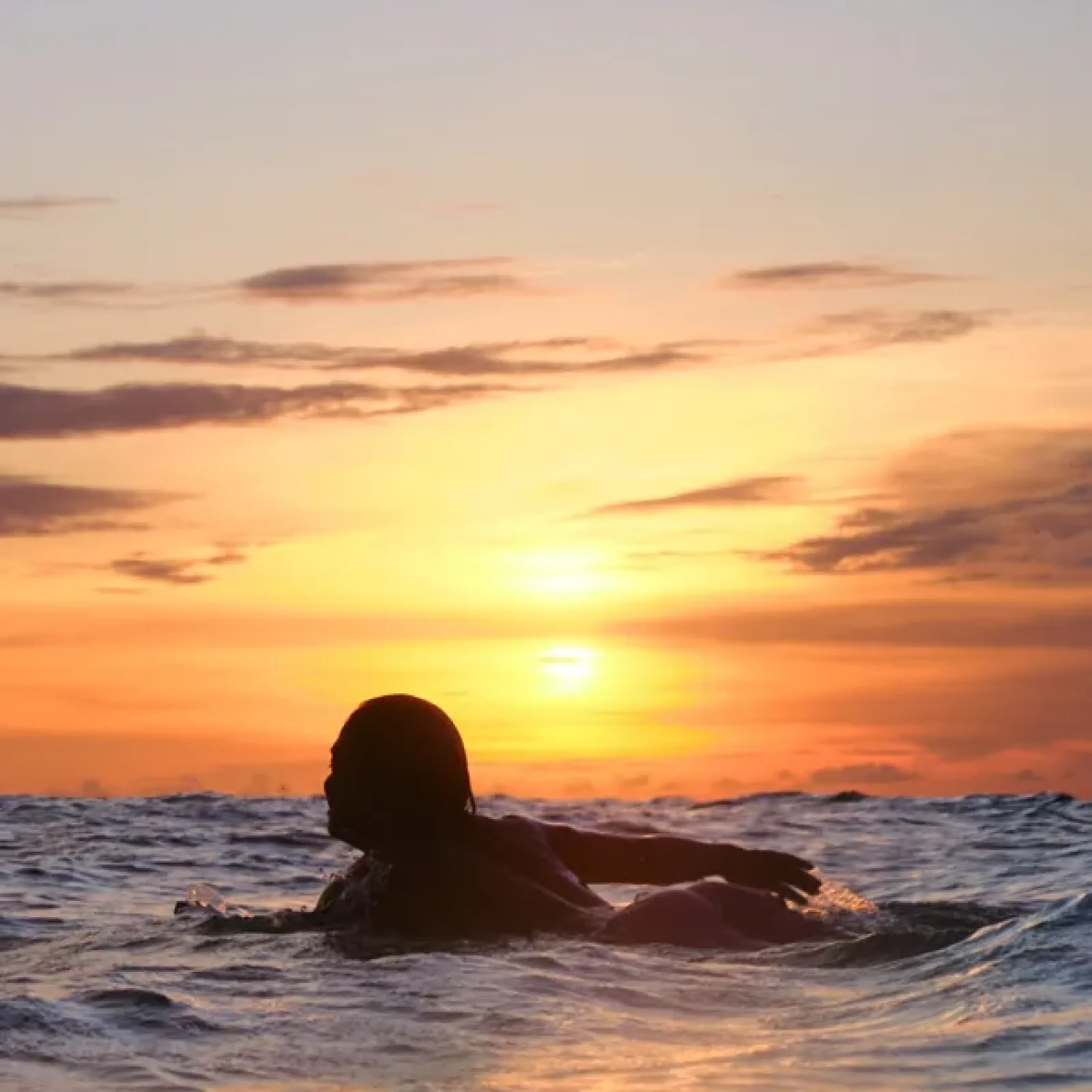
Canggu is Bali's most social, most year-round surf town. 5 named breaks, walking distance everything, 3 of 4 Waverick partner camps. The Saturday at Old Man's tradition.
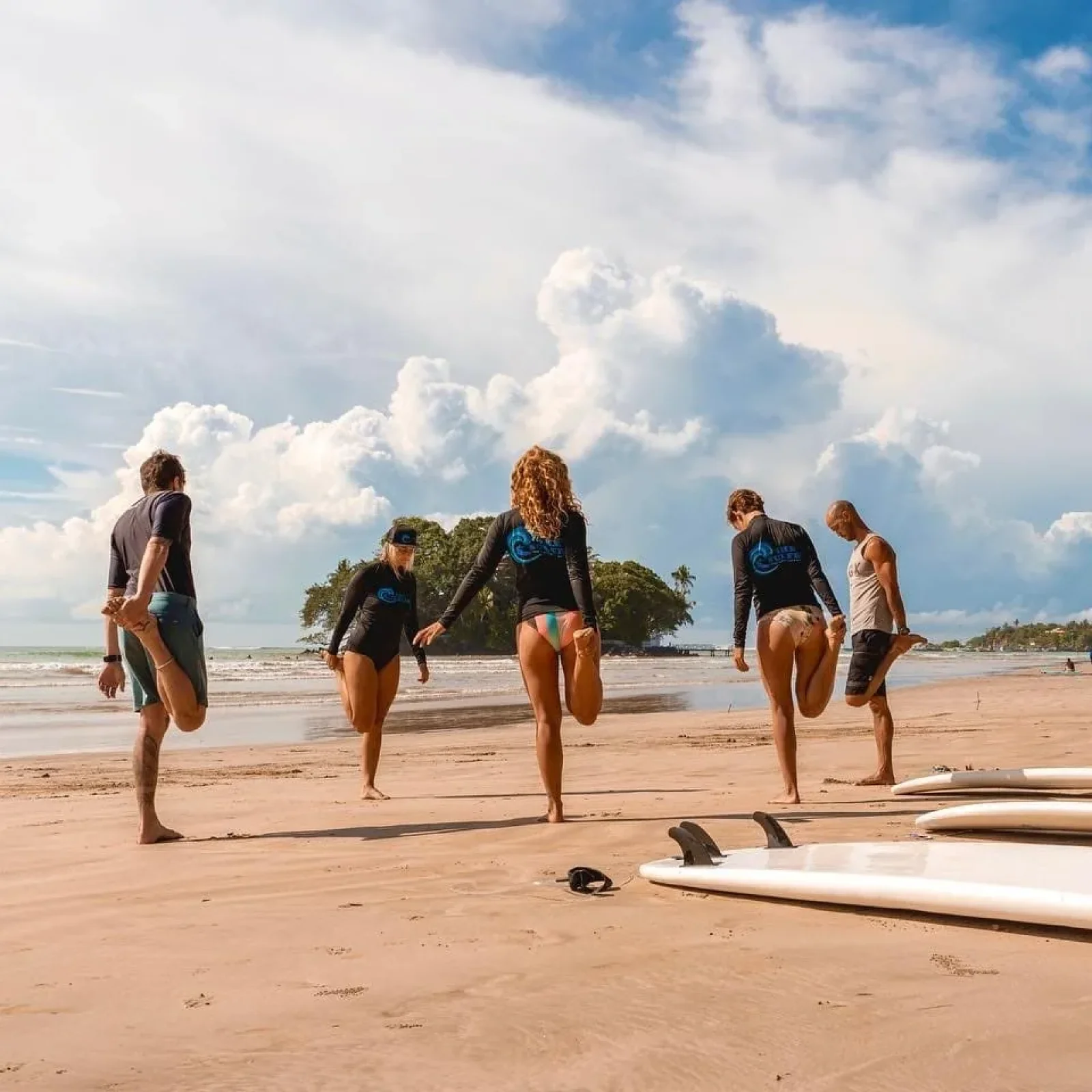
South Sri Lanka's surf hub: a 2 km horseshoe bay, beginner-friendly beach break, nine spots within tuk-tuk range.
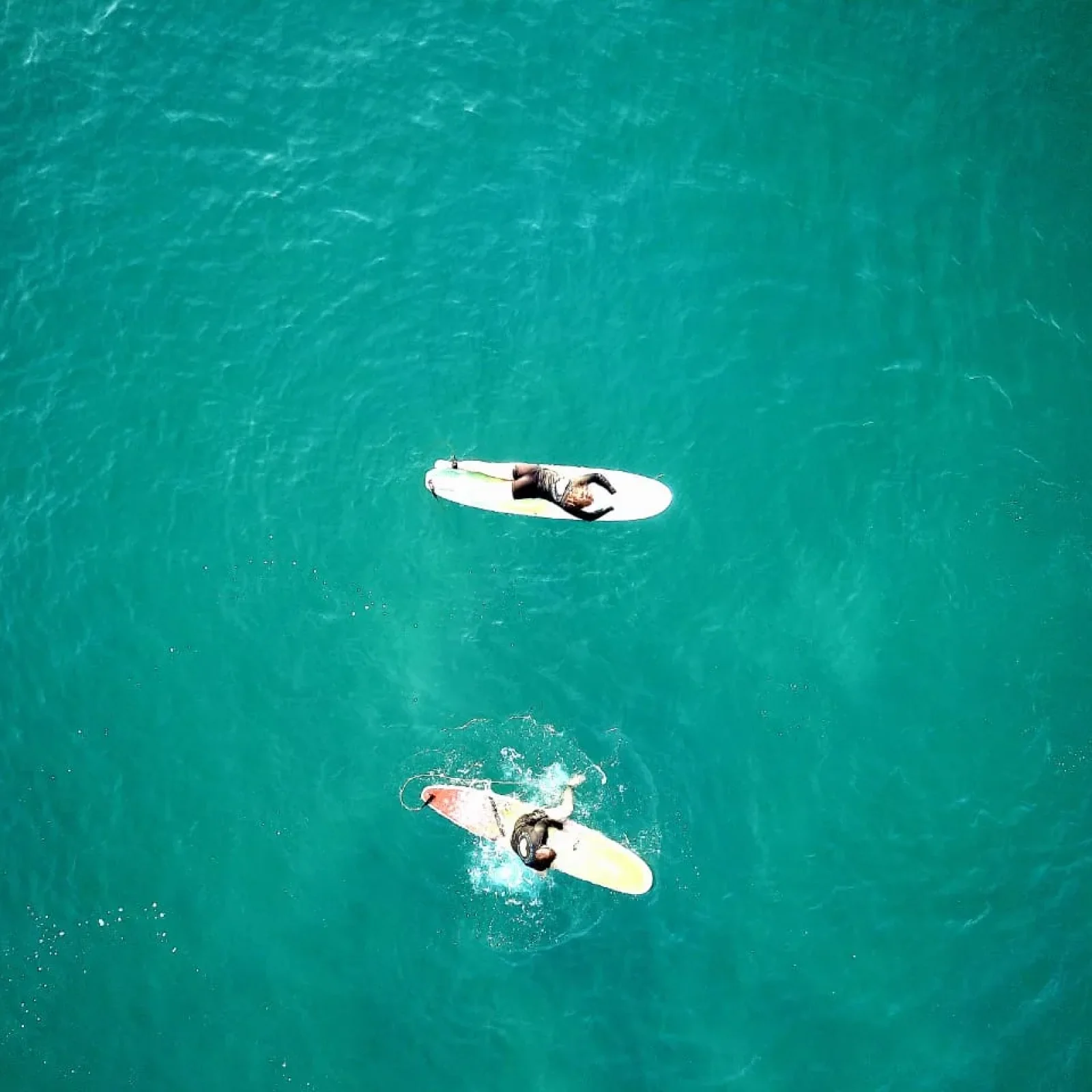
Sri Lanka's east coast surf town. Five named points within 10 kilometres of tuk-tuk: Main Point, Whiskey Point, Peanut Farm, Elephant Rock, Pottuvil Point.
