 English
 Français
  Deutsch
  Español
  Italiano
 Algarve Surf Guide: Two Coasts, Two Seasons
The west coast for winter power, the south coast for summer warmth. The wave-hunter strategy, the named spots (Arrifana, Amado, Carrapateira, Sagres), and where to stay.

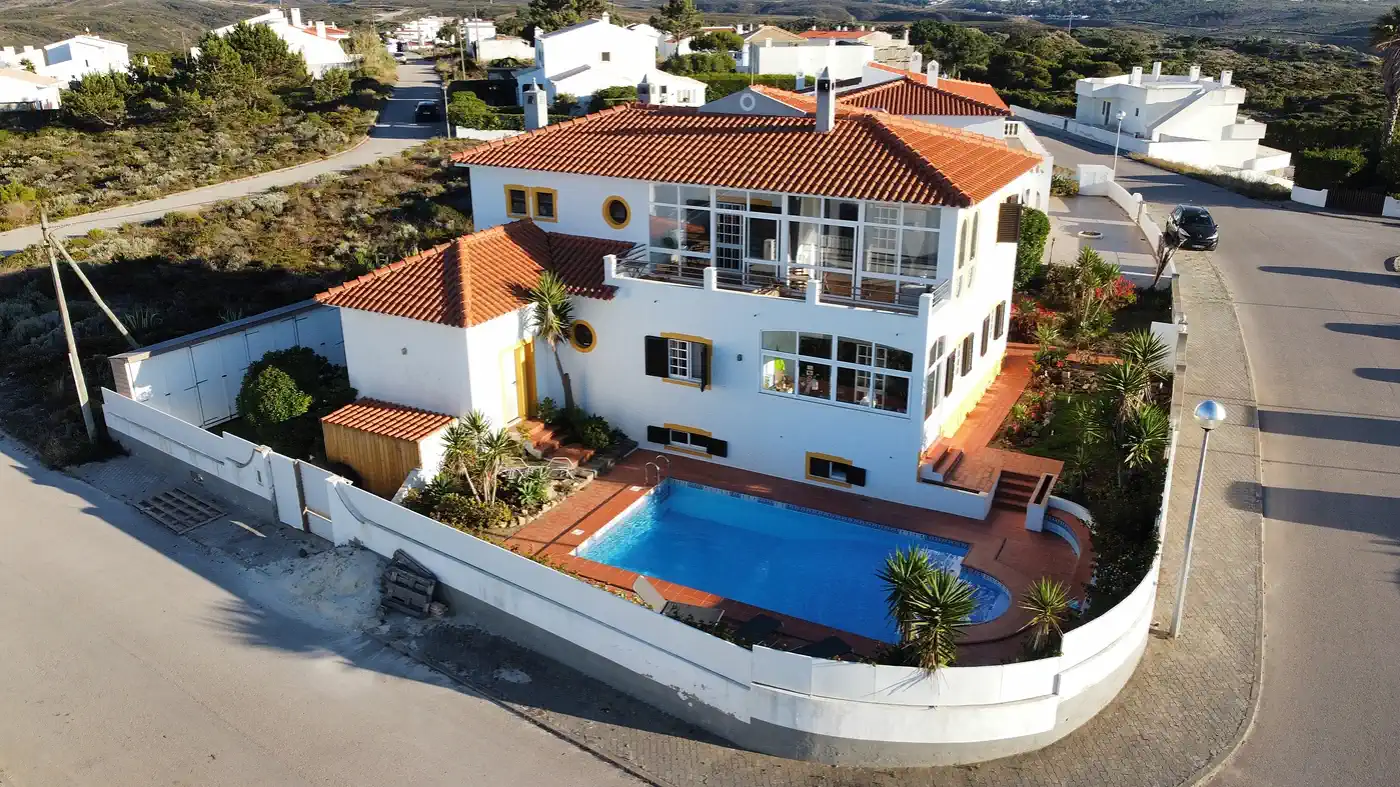
The Algarve is Portugal's southernmost region, but for surfers it is two coasts in one. The west coast (Costa Vicentina) faces the Atlantic head-on and catches every winter swell.
The Algarve is Portugal's southernmost region, but for surfers it is two coasts in one. The west coast (Costa Vicentina) faces the Atlantic head-on and catches every winter swell. The south coast (Lagos to Faro) is sheltered by Cape Saint Vincent, warmer, and works best in summer. Smart Algarve surf trips chase whichever side is on for the day.
This is the warmest region of mainland Portugal: a 3/2 mm wetsuit covers the cold of January, and August water hits 22 °C on the south side. Combine that with cheap flights into Faro, the cliff-fronted Natural Park scenery along Costa Vicentina, and a surf-camp infrastructure that has been built around budget travel, and you have one of Europe's most accessible serious surf destinations.
The Algarve also runs longer in the year than Portugal's Silver Coast or Lisbon. While the Silver Coast cools off in December and feels remote, the Algarve stays light, accessible, and friendly through every winter month. For a surf trip you can plan from December to March or from June to September, the Algarve is the safer Portuguese pick.
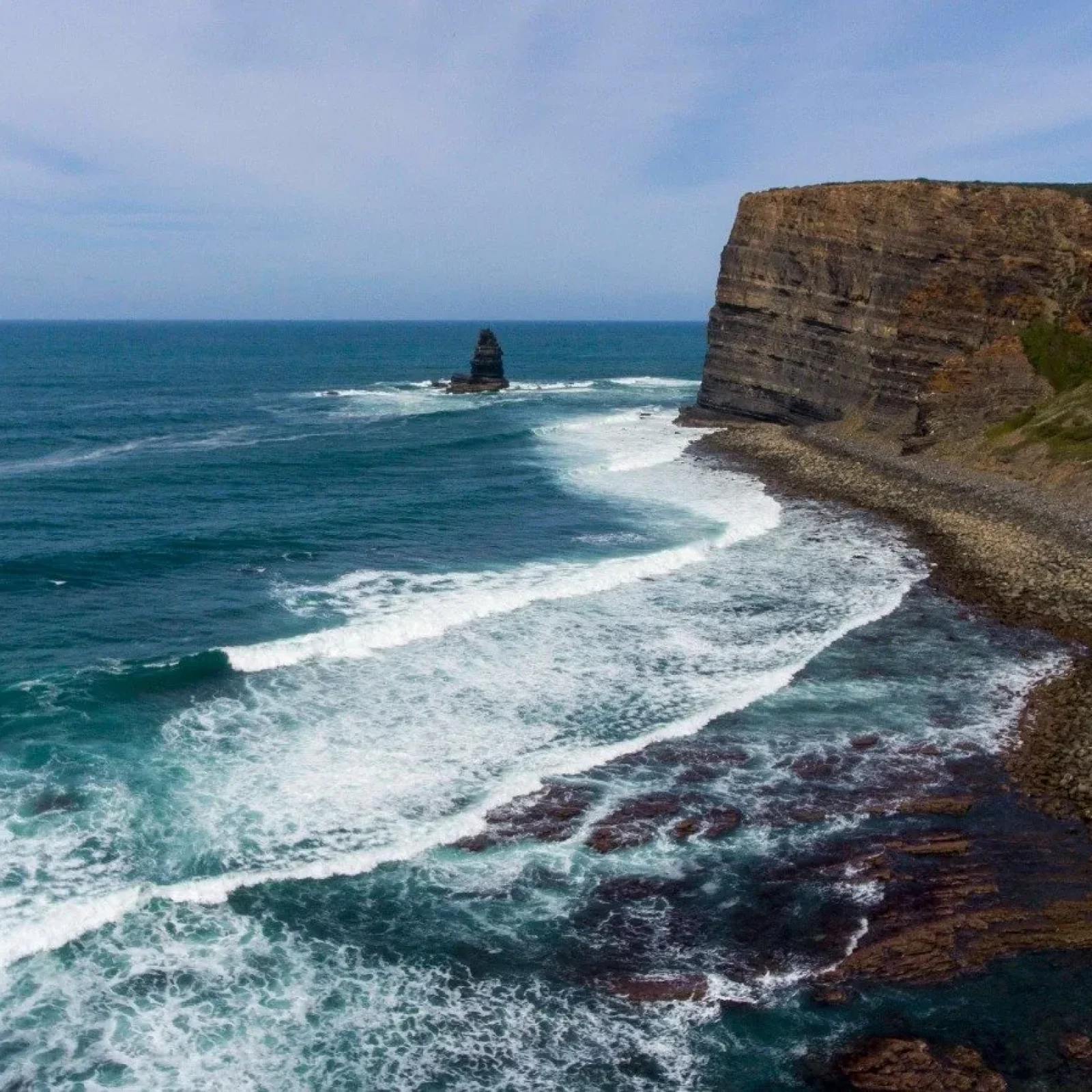
The west coast for winter power, the south coast for summer warmth. The wave-hunter strategy, the named spots (Arrifana, Amado, Carrapateira, Sagres), and where to stay.
The complementary Portuguese surf zone. How to combine an Algarve week with a Lisbon week for a two-coast Portuguese trip.
West coast: late September through early April for the proper winter swell window. South coast: May through September for the warm, sheltered season. April and October are the crossover months when both coasts can fire on the same day. November is the most underrated month overall: clean swell west, calm air temperatures, accommodation back to off-peak prices.
3/2 mm full suit on the west coast from October through May (water 16-18 °C). Spring suit or 2 mm shorty from June through September across both coasts. August on the south coast can be surfed in boardshorts (water 22 °C). The west coast never quite warms to that because of Atlantic upwelling along Costa Vicentina.
Faro (FAO) is the Algarve airport, one hour from our partner camp at Aljezur. Direct flights from London, Manchester, Dublin, Paris, Frankfurt, the Nordic capitals. Rental car strongly recommended for the wave-hunter game between coasts (20-35 € a day in shoulder season).
From €105 / 3 nights at SURFinn Algarve. Custard tart (pastel de nata) in a Lagos café: €1.20.
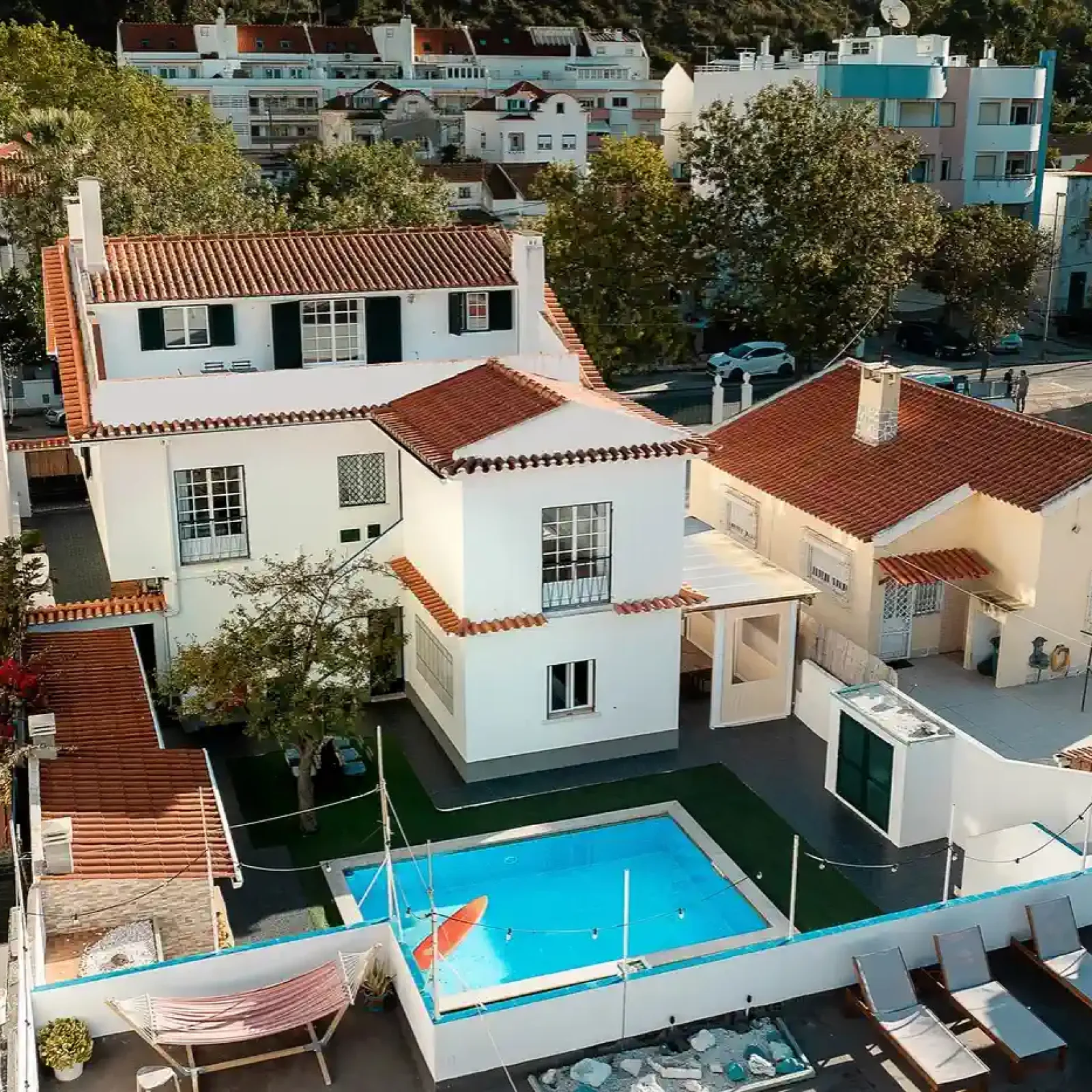
SURFinn Algarve sits in Aljezur on the west coast, with easy access to both Costa Vicentina (Arrifana, Amado, Carrapateira) and the south coast (Sagres, Lagos).
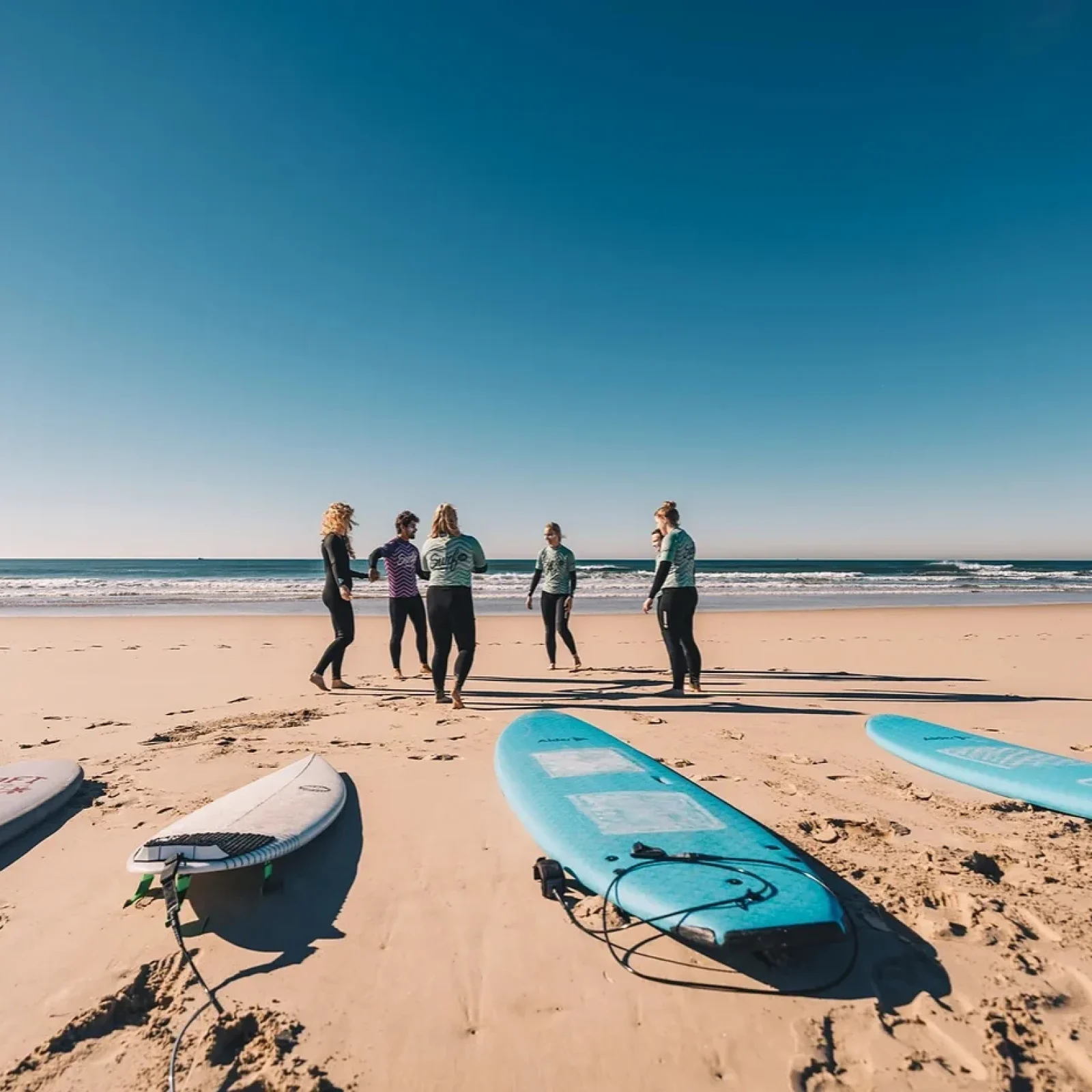
See Algarve Surf CampsYes, especially in summer on the south coast. Meia Praia in Lagos, Praia da Mareta in Sagres and the sheltered south-facing beaches hold small, friendly waves from June through September with warm water and forgiving conditions. The west coast in winter is too powerful for first-week surfers, but the same west coast beaches work for absolute beginners on small summer days.
Geography. The west coast (Costa Vicentina) faces the open Atlantic and catches every storm system. The south coast is sheltered by Cape Saint Vincent and works in cleaner, smaller wave windows. The west coast pumps from October to April; the south coast works May through September. The wave-hunter strategy switches between them based on the day's wind.
Yes. The wave-hunter model that works in the Algarve assumes you can drive from one coast to the other in 30 to 45 minutes when the wind shifts. Without a car you are locked into whichever single beach your camp shuttles to that day. Rental cars run €20 to €35 a day in shoulder seasons, more in July-August.
No, it is the warmest mainland Portugal surf coast. Water sits at 16 to 18 °C December through February and a standard 3/2 wetsuit handles it fine. Air temperatures stay between 12 and 17 °C in winter, making it the European surf zone with the kindest winter weather.
The Algarve is warmer, more beginner-friendly in summer, more relaxed in atmosphere. The Silver Coast catches more groundswell year-round, has the iconic big-wave heritage (Nazaré, Ericeira UNESCO Reserve), and supports a deeper surf culture. Algarve for a more chill, two-coast wave-hunter trip; Silver Coast for serious year-round surfing.
The Lisbon Coast is the rare surf zone where you can finish your last wave of the morning and be eating pastéis de nata in Belém by lunch.
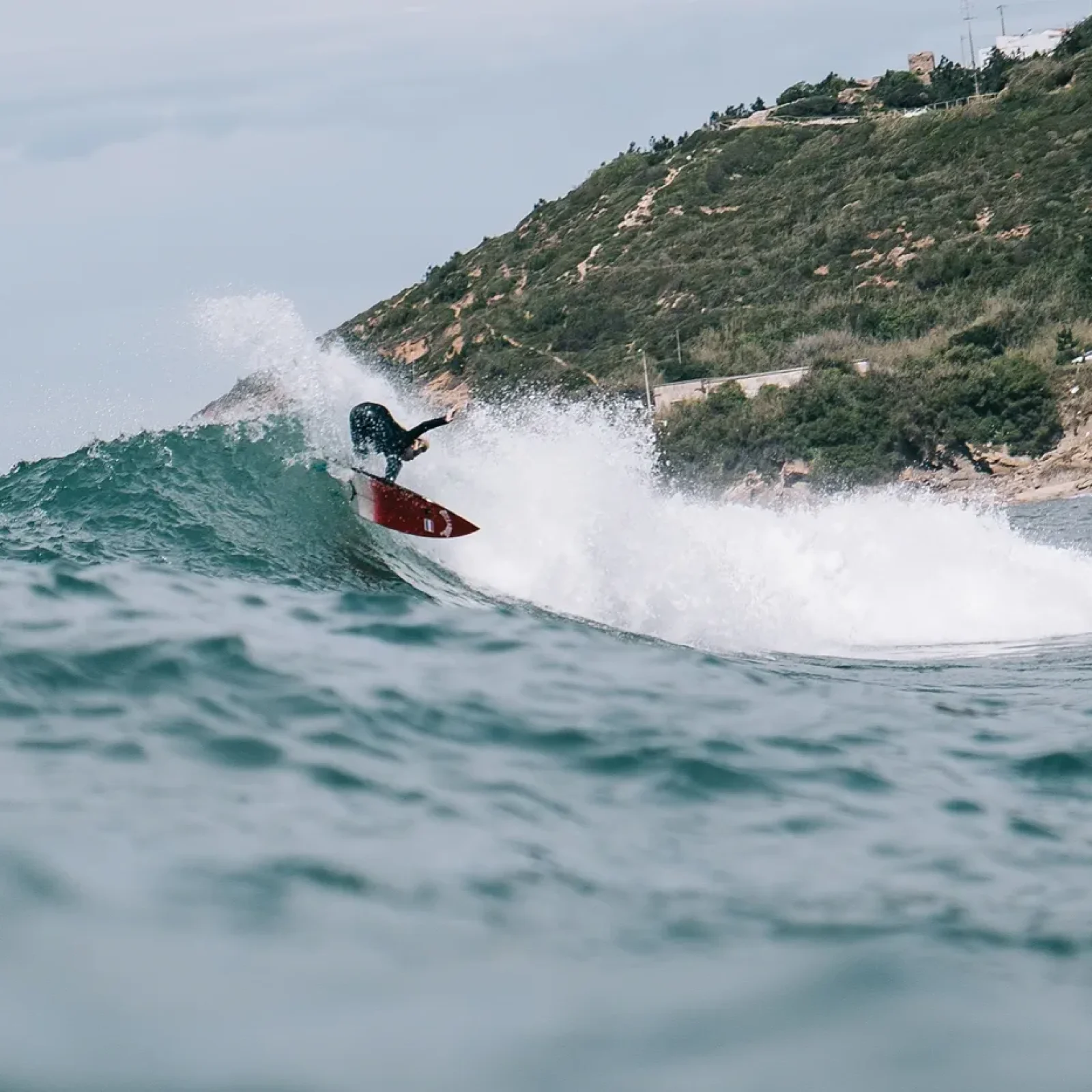
The Silver Coast is Portugal's serious surf coast. From Ericeira's UNESCO-protected reef cluster south of Lisbon, north through Santa Cruz, Peniche and Nazaré, up to Figueira da Foz, this 230-kilometr…
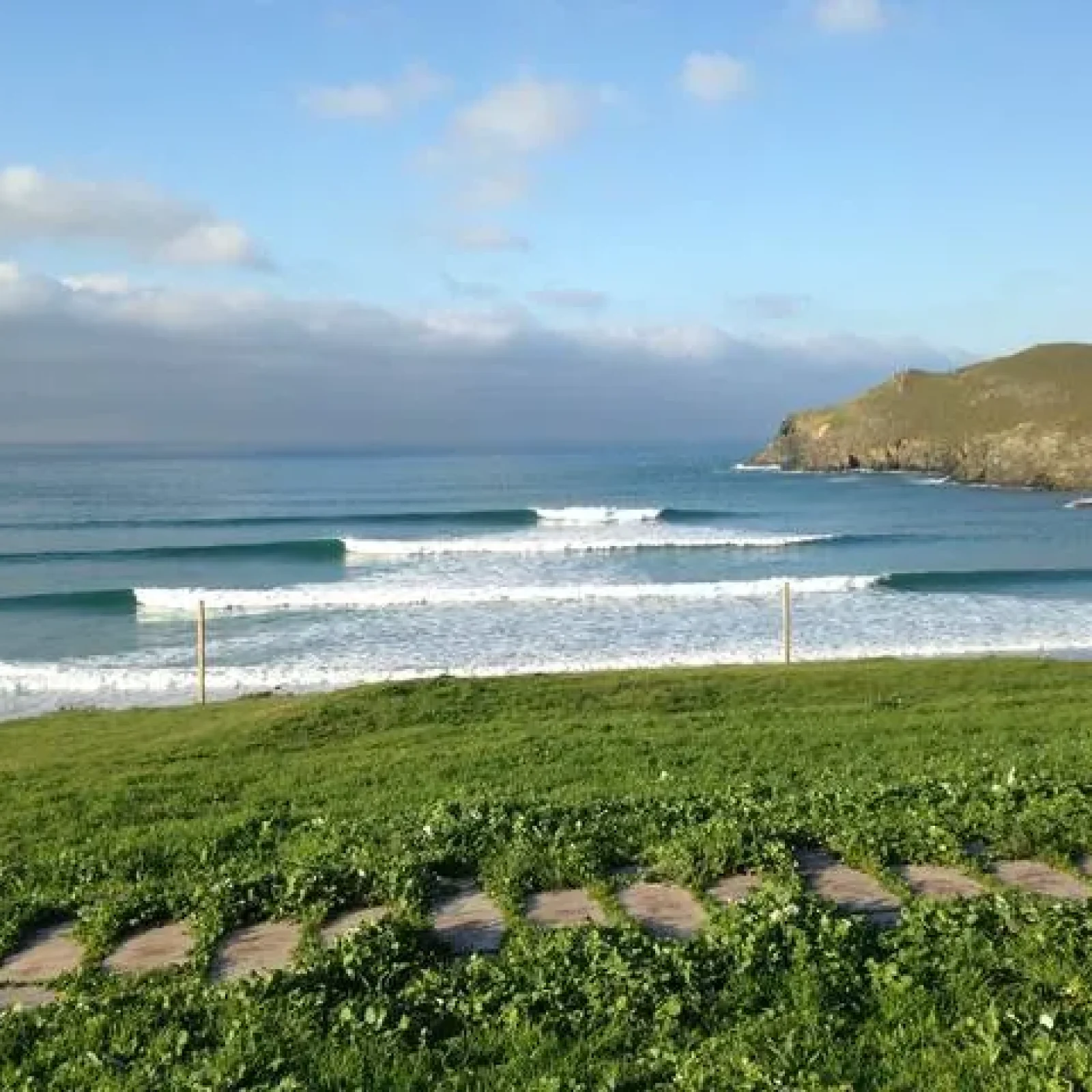
Galicia: Spain's emptiest Atlantic coast. Pantín, Frouxeira, Doniños, Razo. Powerful waves, tiny lineups, and Spanish surf at its wildest. Pantín Classic happens here every September.
