 English
 Français
  Deutsch
  Español
  Italiano
 Ericeira: Portugal's UNESCO World Surfing Reserve
The four reef breaks (Ribeira d'Ilhas, Coxos, Pedra Branca, São Lourenço), when to visit, where to base nearby, and the beginner alternative at Foz do Lizandro.

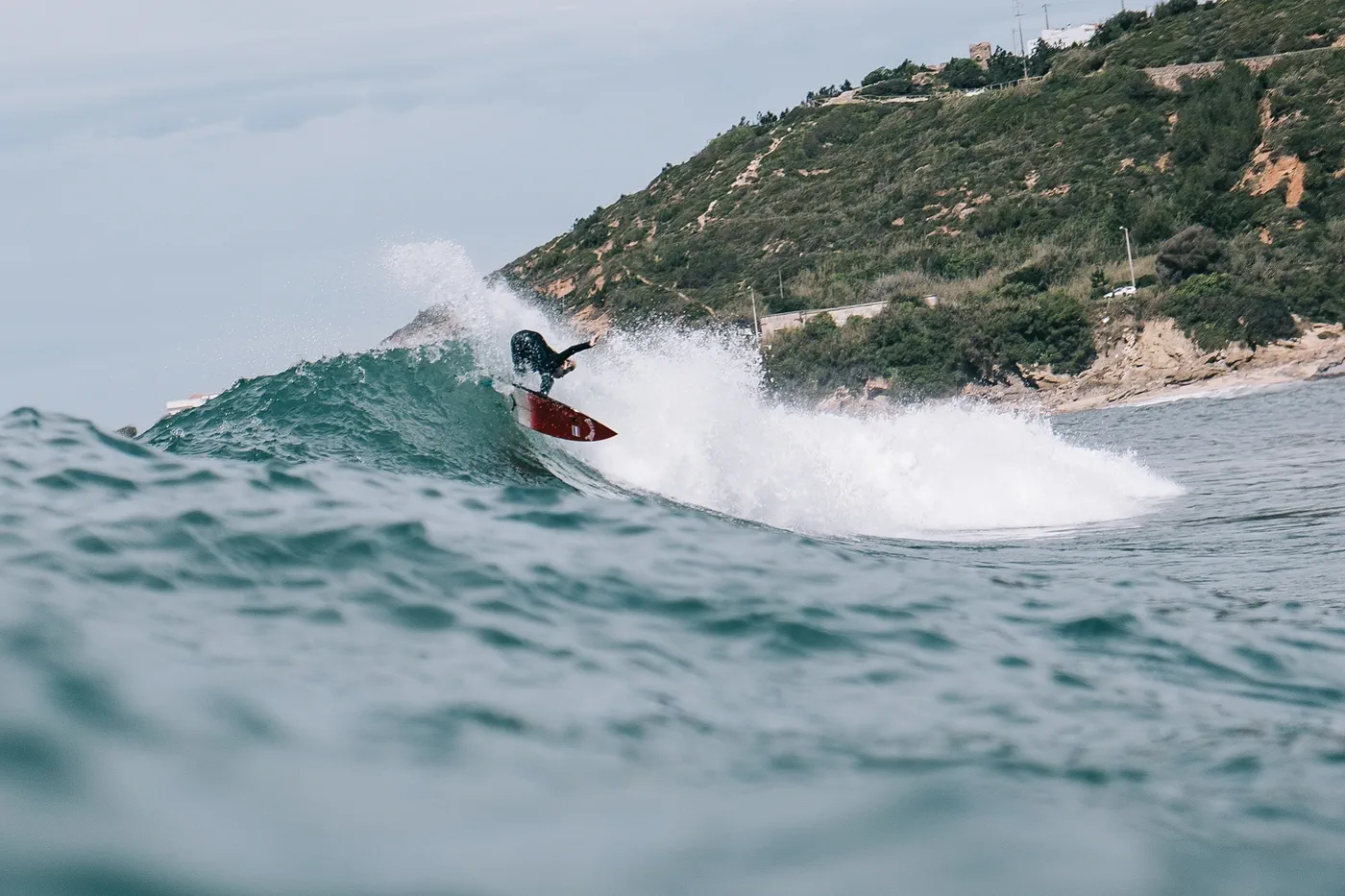
The Silver Coast is Portugal's serious surf coast. From Ericeira's UNESCO-protected reef cluster south of Lisbon, north through Santa Cruz, Peniche and Nazaré, up to Figueira da Foz, this 230-kilometre stretch of Atlantic coastline catches every storm system that rolls off the No.
The Silver Coast is Portugal's serious surf coast. From Ericeira's UNESCO-protected reef cluster south of Lisbon, north through Santa Cruz, Peniche and Nazaré, up to Figueira da Foz, this 230-kilometre stretch of Atlantic coastline catches every storm system that rolls off the North Atlantic and turns it into rideable waves.
The name "Costa de Prata", Silver Coast in English, comes from the silver light that the Atlantic throws back at the cliffs on overcast winter afternoons. It is not a beach-holiday coast. It is a surf coast, with surf villages, surf cafés and a surf-trained local crew that has shaped the country's surfing culture for fifty years. Nazaré is here. Ericeira is here. The WSL Championship Tour comes here. The Silver Coast is where Portuguese surfing happens.
For travellers, the Silver Coast offers four key advantages over Lisbon's beach coast: more consistent groundswell, less crowded lineups, dramatic coastal landscape, and prices that drop noticeably the further you get from the capital. The trade-off is logistics: you need a car to move between the breaks, and the water gets cold from December onwards. Bring a 4/3 for winter and the keys to a rental and the coast opens up.
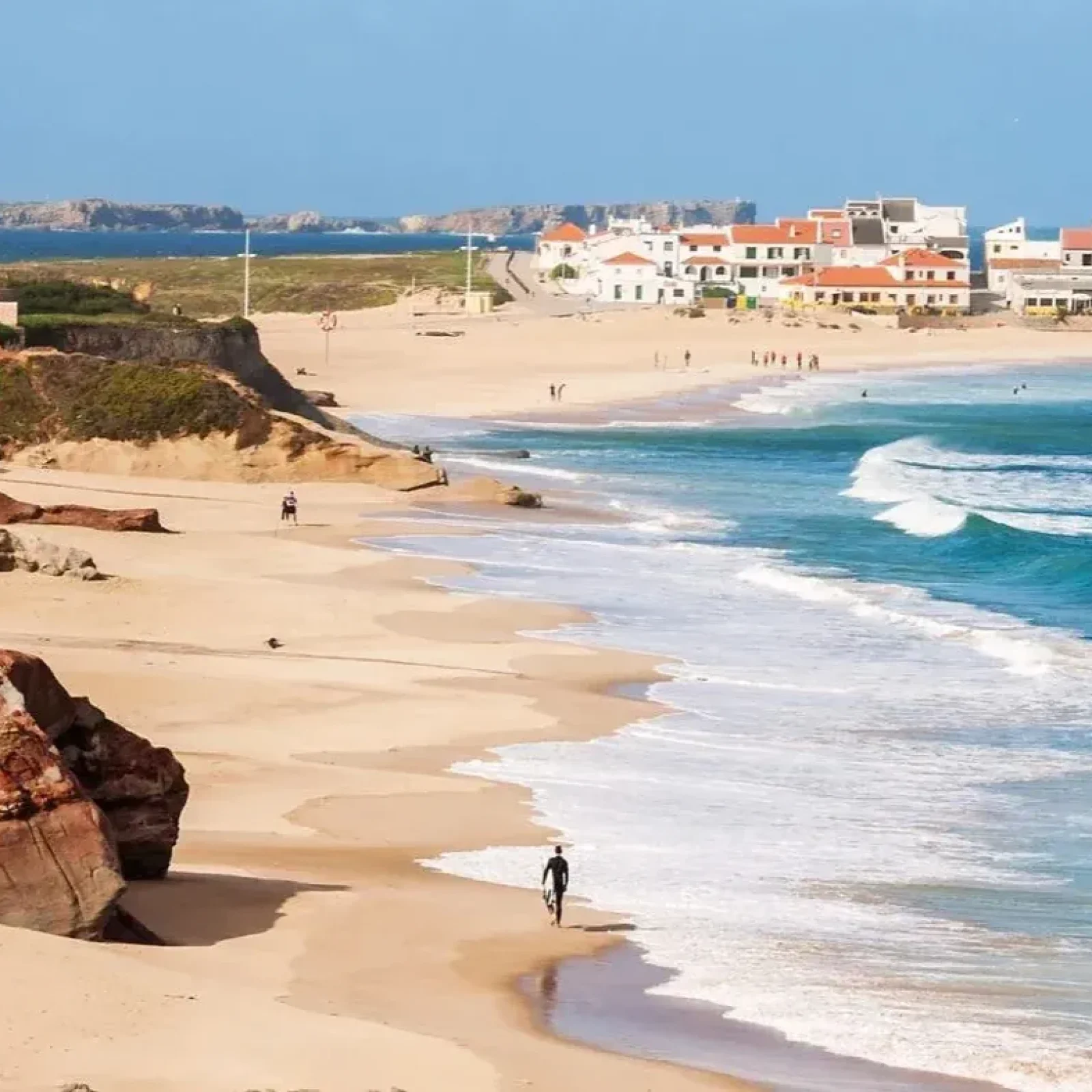
The four reef breaks (Ribeira d'Ilhas, Coxos, Pedra Branca, São Lourenço), when to visit, where to base nearby, and the beginner alternative at Foz do Lizandro.
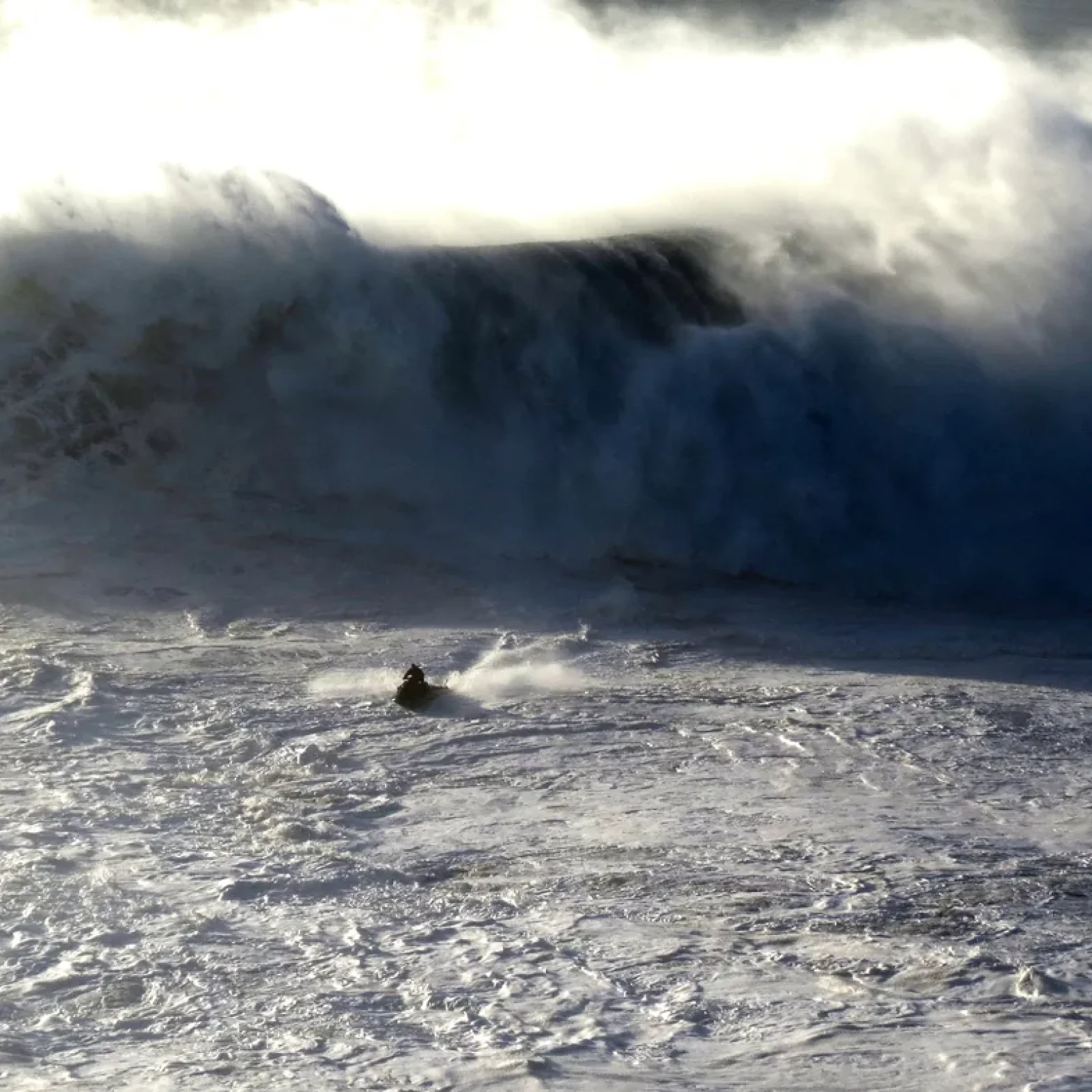
How the canyon makes the world's biggest wave, when to time your visit, where to watch safely from the lighthouse, and how to combine with Silver Coast surf.
September through November is the consensus sweet spot: clean groundswell builds after the summer lull, water still at 19 to 20 °C, the WSL Qualifying Series visits Ericeira in October. December through February brings the biggest winter swells and the iconic Nazaré days, but cold water (14 to 15 °C) and short daylight.
3/2 mm full suit from October through May. 4/3 mm with hood and boots in January and February when water drops to 14 °C and onshore wind makes the windchill biting. Boardshorts and a 2 mm shorty only in July and August (water hits 20 °C). The Silver Coast runs a degree or two colder than the Algarve.
Lisbon (LIS) is the main airport, 45 minutes north to Ericeira, 90 minutes north to Nazaré, 2 hours north to Figueira da Foz. Porto (OPO) is closer for the northern Silver Coast: 1 hour 45 to Figueira, 2 hours 15 to Nazaré. Rent a car at the airport; public transport along the coast is slow and surf-camp shuttles only cover their own beach.
From €120 / 4 nights at SURFinn Figueira da Foz. Bica espresso in a Santa Cruz café: €0.80.
Two Waverick partner camps, one in Santa Cruz (the surf village 45 minutes south of Nazaré) and one in Figueira da Foz (the wide-beach city 90 minutes north).
See Silver Coast Surf CampsThe Silver Coast (Costa de Prata in Portuguese) is the 230-kilometre stretch of Atlantic coastline running roughly from Ericeira in the south to Figueira da Foz in the north. For surfers, it is the most concentrated quality-wave coastline in Portugal: Ericeira (UNESCO World Surfing Reserve), Peniche (the wave-rich peninsula), Nazaré (big-wave capital), Santa Cruz (the surf village) and Figueira da Foz (the wide-beach city). The name comes from the silver light the Atlantic reflects off the cliffs in winter.
Different surf characters. The Silver Coast catches more swell year-round, has bigger and more powerful winter waves, and supports a serious surf culture (Ericeira, Nazaré, the WSL). The Algarve is warmer (16 to 22 °C versus 14 to 20 °C), more beach-resort, and has the wave-hunter west coast that works well from October to April. Beginners often prefer the Algarve in summer; intermediate and advanced surfers prefer the Silver Coast across the year.
No. Most travellers visit Nazaré to watch the giant waves from the lighthouse cliff, not to surf them. The big waves at Praia do Norte are for professional tow-in teams only. The smaller, friendlier alternative is Praia da Vila in Nazaré itself, or stay at our partners 45 minutes south (Stoke Santa Cruz) or 90 minutes north (SURFinn Figueira) and combine watching Nazaré with surf at more accessible breaks.
Yes, at the right beaches and in the right season. Foz do Lizandro just south of Ericeira, Praia da Areia Branca in Lourinhã, Santa Cruz on smaller days, and Figueira da Foz's wide sandy beach all work for beginners with a surf school. May to September is the gentler season; October through April the swells get bigger and beginners stay on the smaller days. Avoid the reef breaks (Ribeira d'Ilhas, Coxos, Praia do Norte) regardless of conditions.
One week minimum if you want to explore beyond one base. The 230-kilometre coast splits roughly into two clusters: the Lisbon-end (Ericeira, Santa Cruz, Peniche) and the northern end (Nazaré, Figueira da Foz). Base at one camp and day-trip the rest, or split a two-week trip between Santa Cruz (south end) and Figueira da Foz (north end). Many travellers also combine the Silver Coast with a week in Lisbon (Costa da Caparica) or Ericeira for a longer Portuguese surf trip.
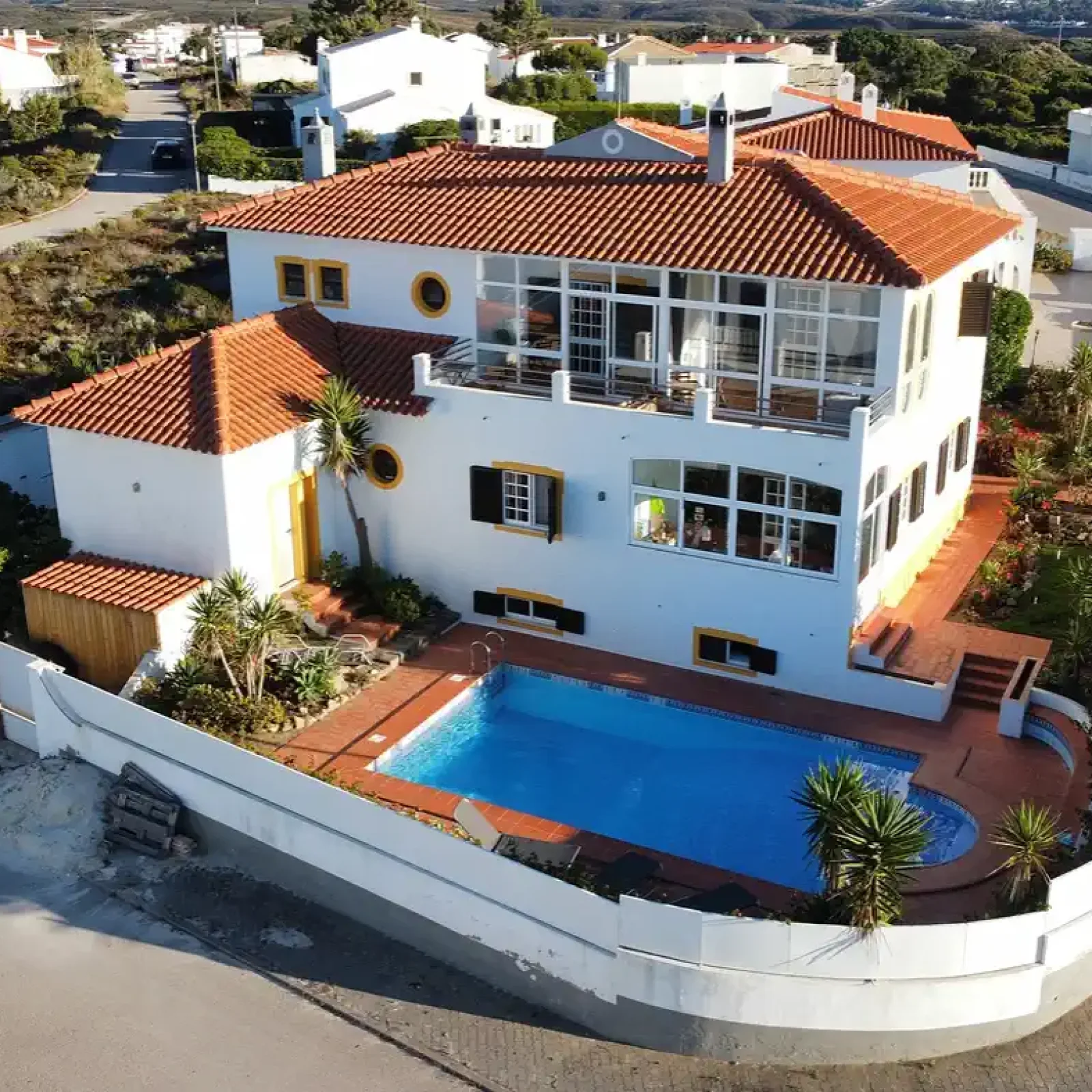
The Algarve is Portugal's southernmost region, but for surfers it is two coasts in one. The west coast (Costa Vicentina) faces the Atlantic head-on and catches every winter swell.
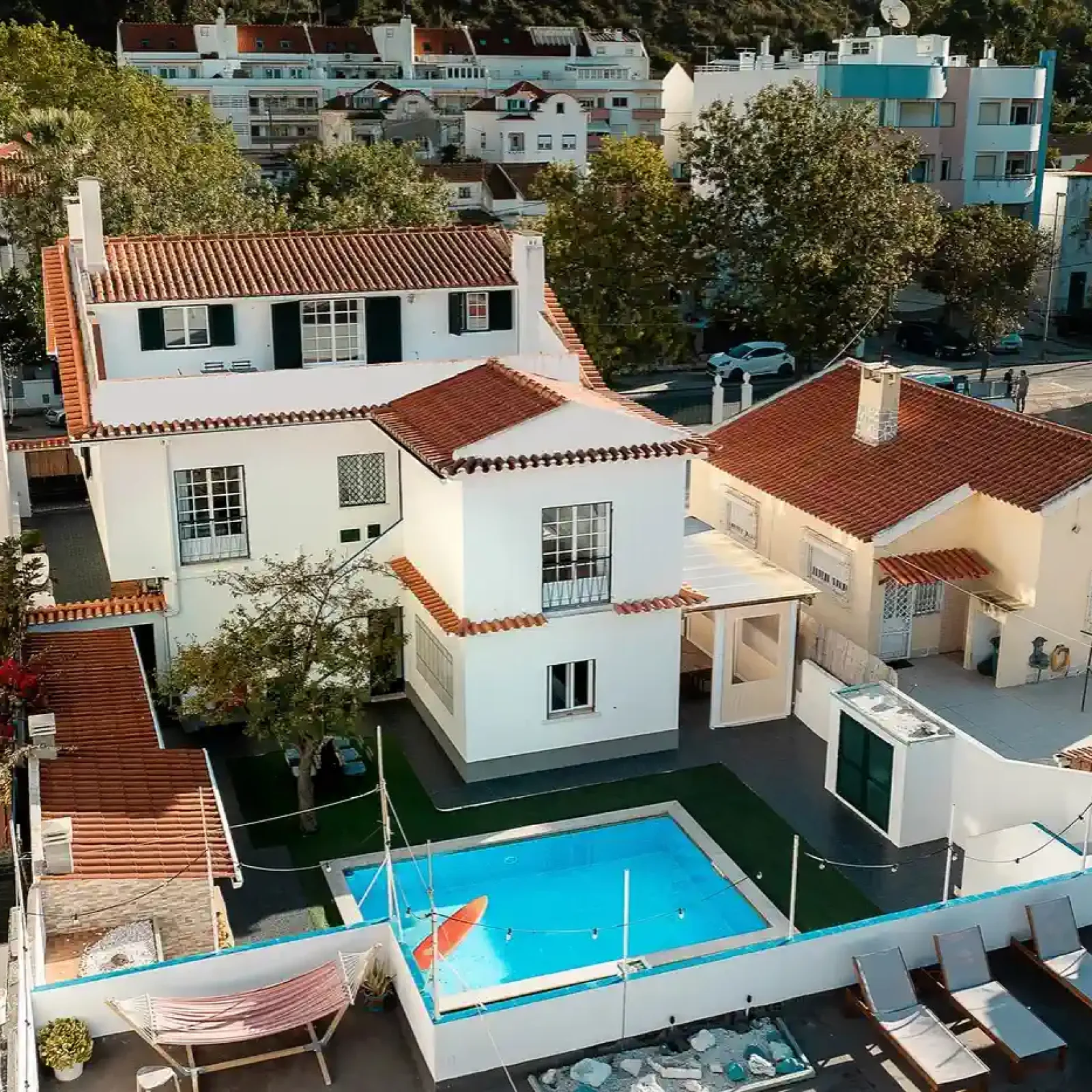
The Lisbon Coast is the rare surf zone where you can finish your last wave of the morning and be eating pastéis de nata in Belém by lunch.
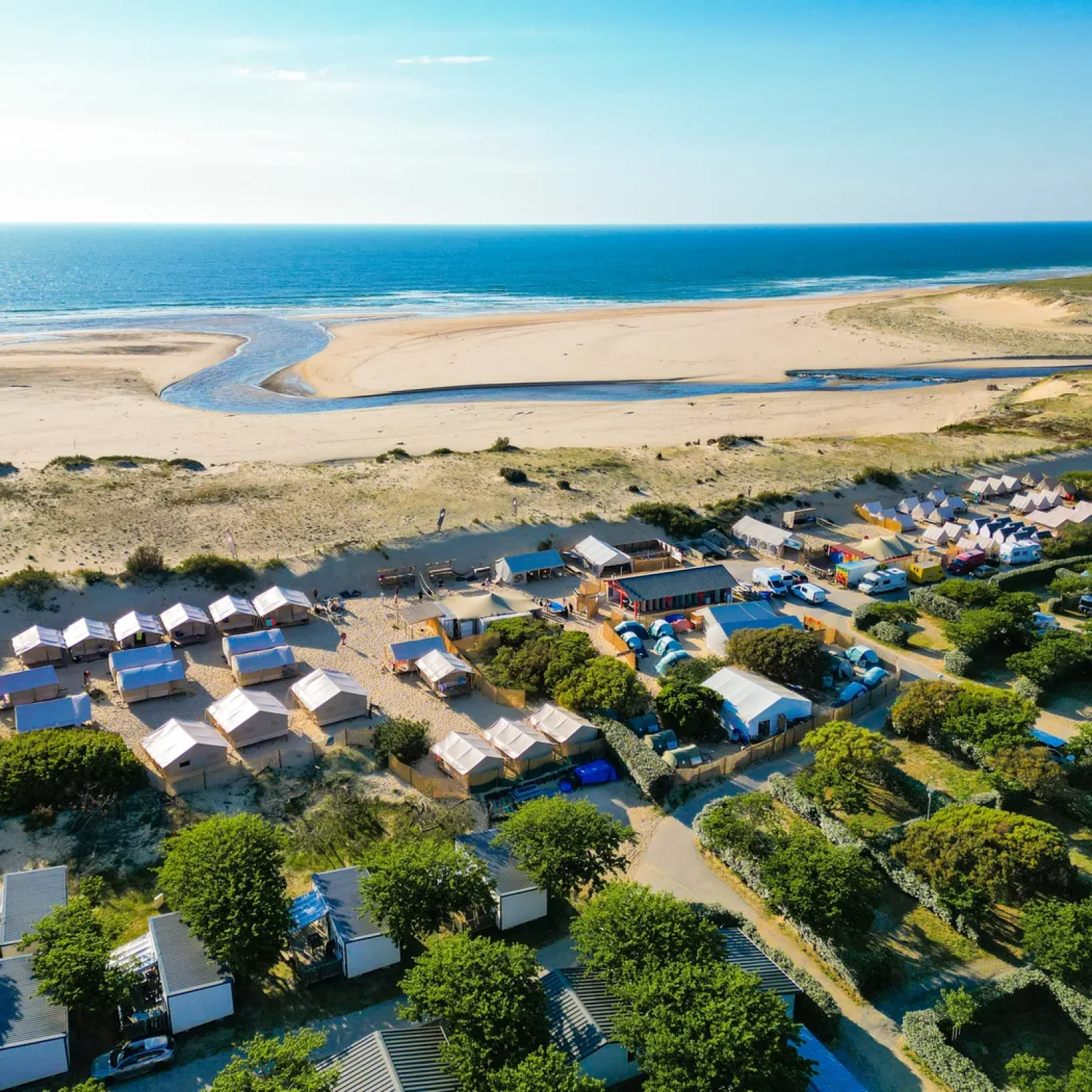
The dunes-and-pine-forest end of the Landes coast where European surf camps cluster. Powerful peaky beach breaks, the highest concentration of surf camps per square kilometre on the French coast, and…
