 By Steeve
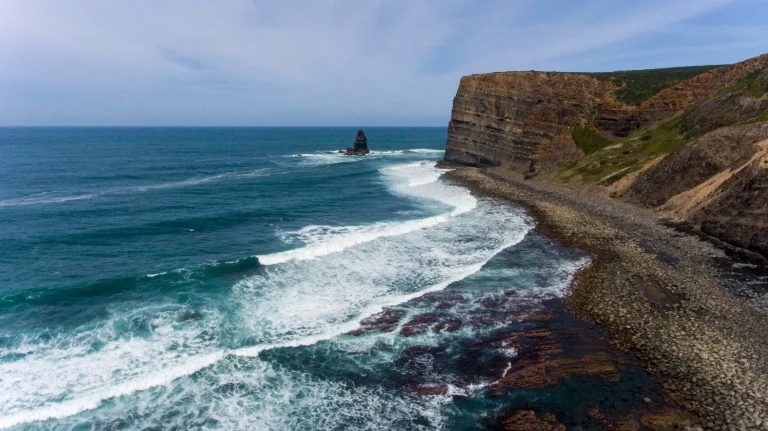
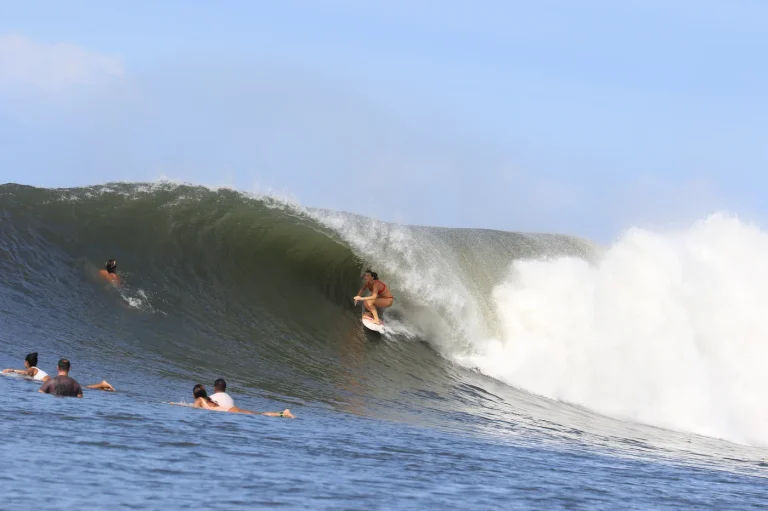
Nazaré is the most famous big-wave spot on Earth. A small Portuguese fishing town that the world only really noticed in 2011, when Garrett McNamara towed in to a 78-foot wave at Praia do Norte and put the place into every newspaper. The waves are real, the records are real, and a steady winter of dedicated chargers chases them every year. What is also real, and rarely said out loud: Nazaré is not a surf destination for travellers. It is a place to visit, watch, and respect. This is the honest traveller’s guide.
About three hundred metres offshore from Praia do Norte sits an underwater canyon, the Nazaré Submarine Canyon, that runs more than two hundred kilometres out into the Atlantic and reaches five kilometres deep. When a storm-generated Atlantic groundswell hits the coast, the canyon funnels and amplifies the energy on its way to the beach. The deep water in the canyon meets the shallow water near shore at a sharp angle, and the swell stands up vertically against the slope. The result is a wave that can break at heights nowhere else on Earth produces.
The geological setup matters because it explains the timing. Nazaré only produces giant waves when a specific kind of Atlantic low-pressure system delivers long-period groundswell from the right direction. That happens a handful of times per winter, on average between October and March. The other 350 days of the year, Praia do Norte is a heavy beach break that breaks in the four-to-ten-foot range. Beautiful, but not the spectacle people fly in for.
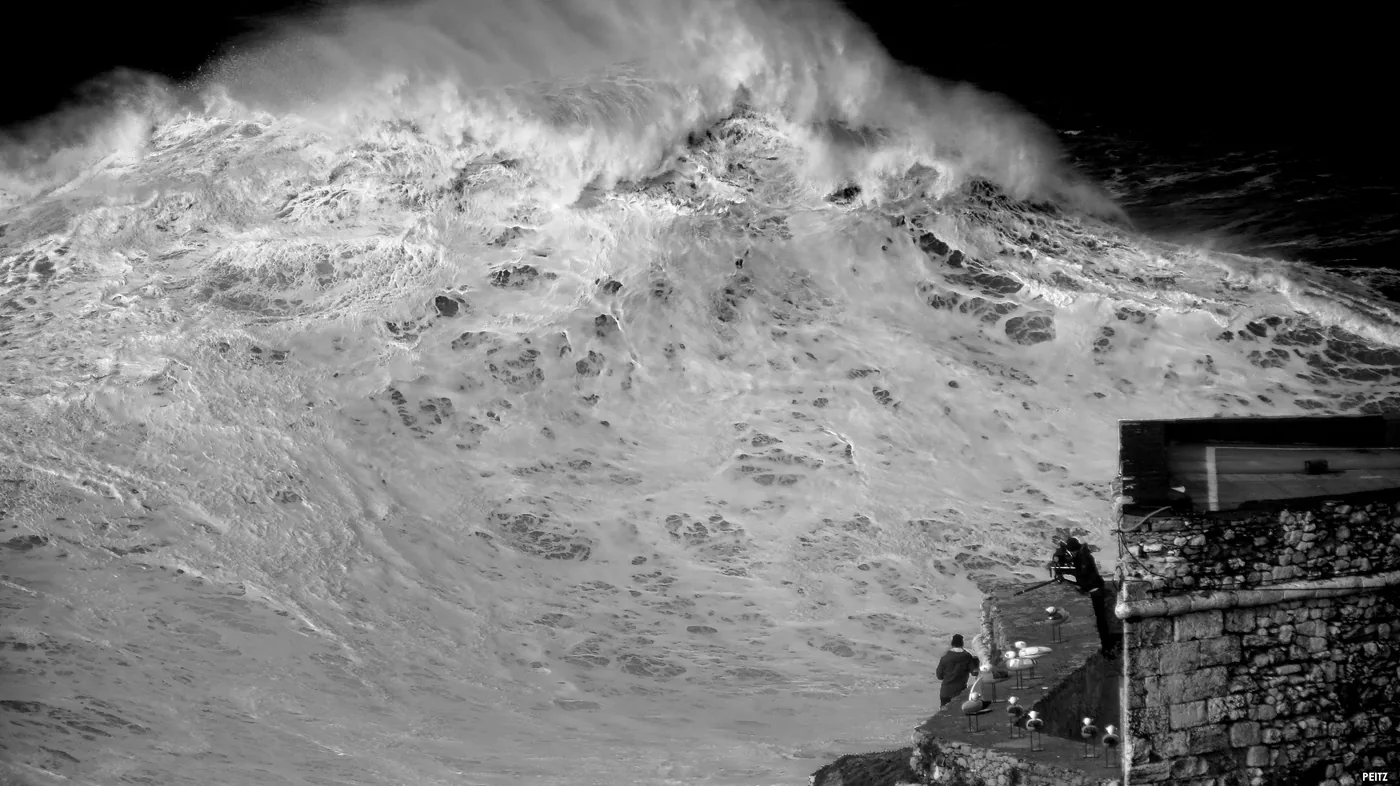
Praia do Norte is one of the few waves on Earth where the answer is a clear no for almost every traveller. On a Big Day at Nazaré, only tow-in teams with jet-skis go out: a driver, a partner on a board, a safety crew on the beach, and rescue drivers on the channel. The big-wave specialists who do this are professionals with multi-year preparation, dedicated equipment and trained safety teams. There is no honest version of “I’ll just go out and have a look at small Nazaré.” The wave’s character changes faster than you can paddle back, and the rescue infrastructure is built around the pro circuit, not casual visitors.
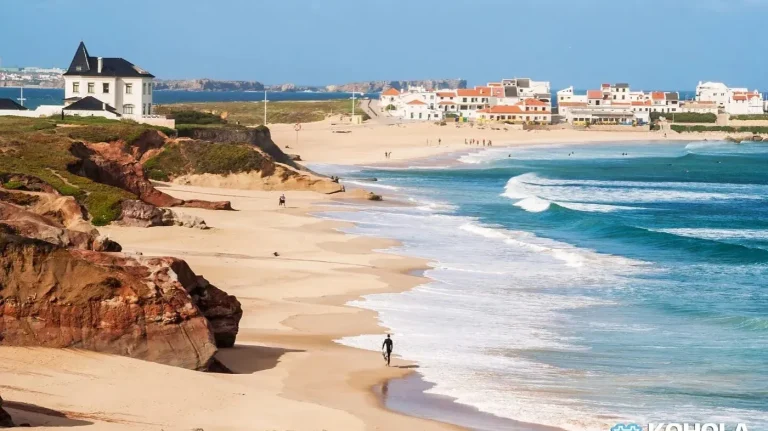
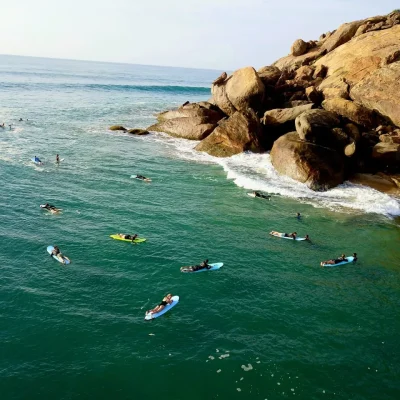
On small days at Praia do Norte, the wave is still a heavy beach break with strong rips, cold winter water, and a serious shore pound. Praia da Vila, the main town beach on the south side of the headland, is more accessible: smaller, more reliable, and where the locals teach their children to surf. If you want to actually surf in Nazaré, Praia da Vila is the answer.

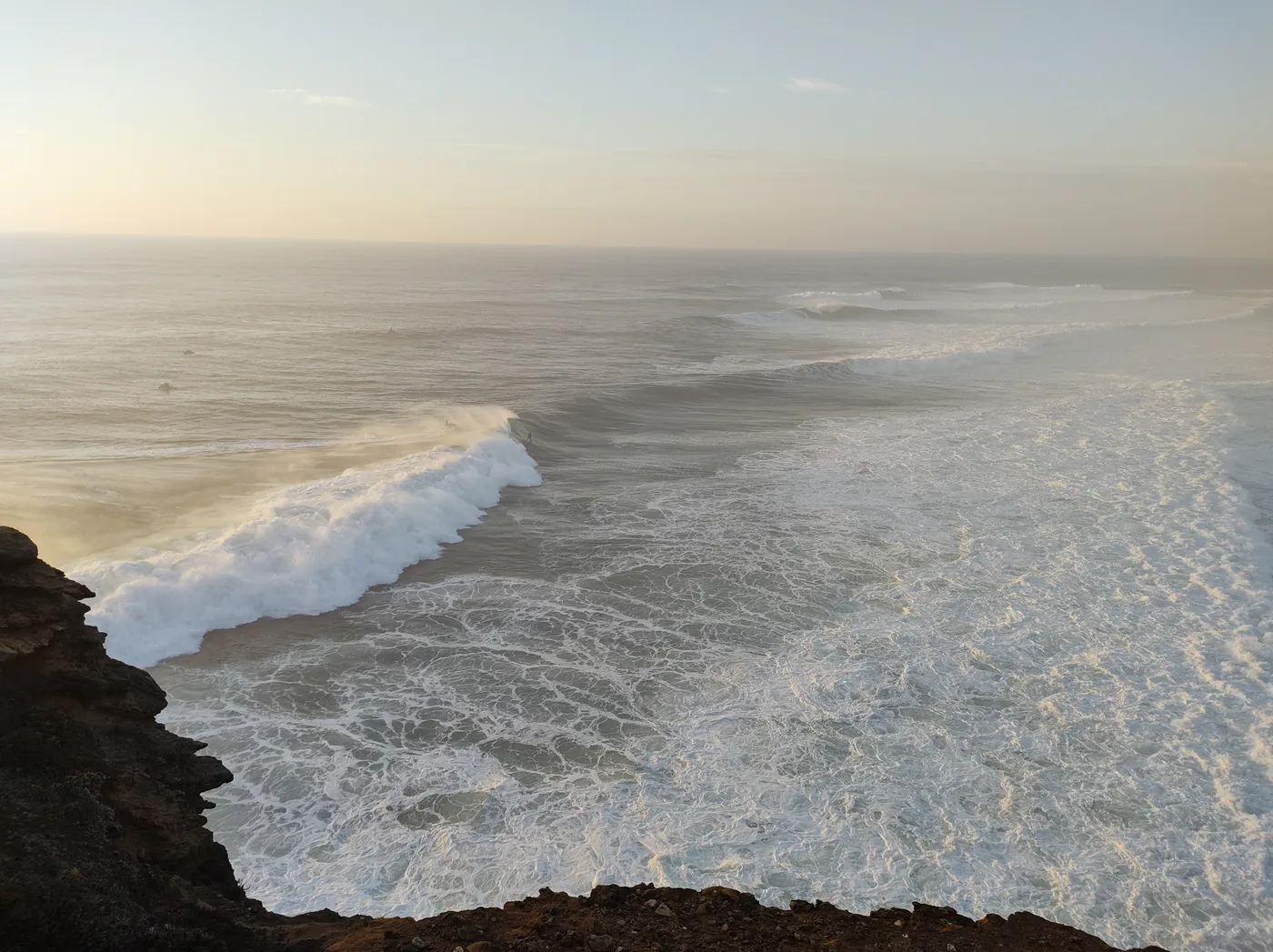
The single best vantage point is the Forte de São Miguel Arcanjo, a small 16th-century fort on the cliff above Praia do Norte. The fort houses a lighthouse and a permanent exhibition about big-wave surfing. From the cliff terrace you look down directly onto the lineup, with the tow teams paddling about a hundred metres below you. On a Big Day there is a steady crowd of visitors, photographers and surf media. Arrive early, dress warmly: it is windy and exposed, and many visitors underestimate how cold the cliff gets in January.
The trick to seeing Nazaré on a big day is timing. Storms are forecast a week out, and the WSL Nazaré Tow Surfing Challenge typically runs on a single day’s call from January through March. Watching Surfline or the Magicseaweed long-period forecast, plus the WSL Nazaré event page, gives you a few days’ warning. Booking flights last-minute for the right swell is the way the pros do it. Booking a flight months in advance hoping you will hit a Big Day means you are most likely going to see Nazaré in its small mode.
October through March for big-wave potential. November, December and January are the months with the highest probability of a 40-foot-plus day. The WSL big-wave events typically schedule a window in February or March. For everyday Praia da Vila surfing and small Praia do Norte, May through October is more comfortable: water still above 16 °C, lighter winds, no winter storms.
The town itself is busiest from June through September with regular beach tourism, when the big-wave season is dormant. Visiting in shoulder season (April, May, October) gives you the best of both: small but still interesting Atlantic surf at Praia da Vila, manageable accommodation rates, and the lighthouse exhibit without queues.
For Praia da Vila and small Praia do Norte: 3/2 mm full suit from October through May, with a hood and boots in January and February when water drops to 14 to 15 °C. Boardshorts and a 2 mm shorty in July and August (water hits 20 °C). The wind off the headland makes winter days feel colder than the water reads. If you are visiting purely to watch the big waves from the cliff, dress as you would for a winter day at the coast: warm jacket, hat, gloves, sturdy shoes for the rocky cliff terraces.
Waverick does not have a partner camp inside Nazaré itself. The town’s accommodation is mostly small guesthouses and Airbnb apartments that book out around big-wave days. What we do have are two Silver Coast partner camps within a 60 to 90 minute drive: both work as a base for a Nazaré watching trip combined with surf at a more accessible beach.

Figueira da Foz is a beach city about an hour north of Nazaré by the A8 motorway. SURFinn is a multi-building camp with pool, ocean-view rooms and a strong surf school working the long sandy right-hander at Cabedelo. Many advanced travellers base here for a week of accessible Silver Coast surf, with the option of an early-morning drive south to Nazaré when a Big Day is forecast. From €120 for four nights in a shared dorm.
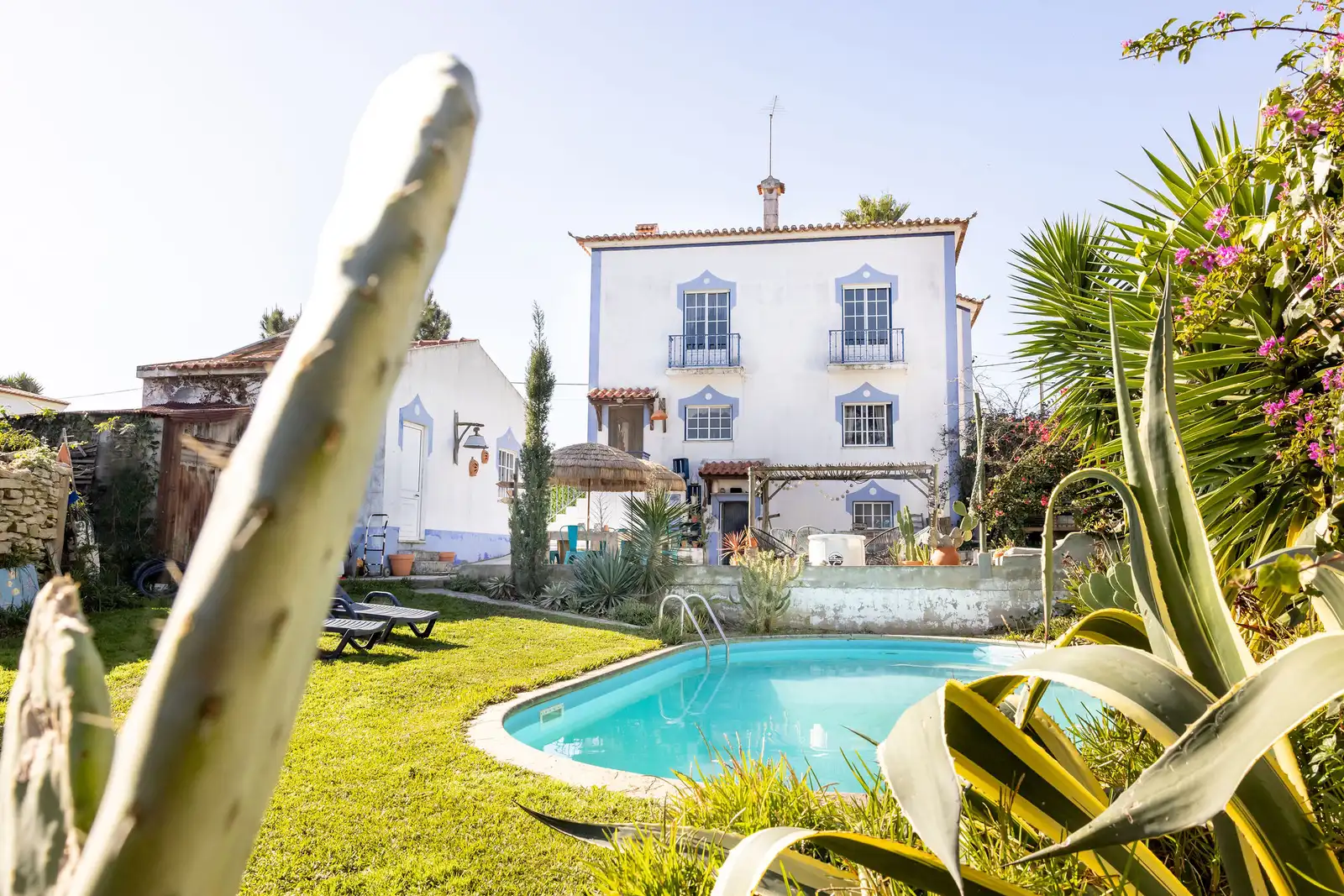
Santa Cruz is a quieter Silver Coast town about 75 minutes south of Nazaré. Stoke is a small, friendly surf house with a pool, simple bunk dorms and private double room options, plus a local surf school for Santa Cruz beach. Good base for surfing accessible Silver Coast waves during the week, with a Nazaré drive on the days the forecast looks worth it. From €128 for two nights in a shared dorm.
Fly into Lisbon Humberto Delgado (LIS). Nazaré is 90 minutes north of the airport by the A8 motorway, fully signposted. Coach buses leave several times daily from Lisbon’s Sete Rios terminal. There is no airport at Nazaré itself; renting a car at LIS is the best option if you want to combine the Nazaré visit with other Silver Coast surf or with the Sintra coast on the way back.
Each camp page on Waverick shows the live price for your dates: SURFinn Figueira from €120 for four nights, Stoke Surf House from €128 for two nights. A direct stay in Nazaré town (in a small guesthouse or apartment) tends to run €60 to €120 a night and books out fast during big-wave windows. Add a rental car (€25 to €40 a day in shoulder season) and entry to the lighthouse exhibition (around €5 last we checked). Flights from European hubs into Lisbon run €50 to €150 return outside summer peak.
Yes, but only at Praia da Vila (the town beach), not at Praia do Norte (the big-wave beach). Praia da Vila has small wave days that work for beginners with a surf school. Praia do Norte is a heavy break even on its small days; the rips, the cold and the shore pound make it inappropriate for first-week surfers. For an actual learning trip, Costa da Caparica near Lisbon or the Algarve south coast in summer are far better Portuguese options.
The largest officially recognised waves surfed at Nazaré are in the 80-foot range (faces measured from trough to crest). Pro tow-in surfers regularly ride waves in the 50 to 70-foot range on a Big Day. Most visiting days outside a major storm window, the wave is 6 to 15 feet and is surfed by a small group of paddle-in chargers and the local crew.
The Forte de São Miguel Arcanjo, the small fort on the cliff above Praia do Norte. There is a paying lighthouse exhibit (~€5) and a free cliff-edge terrace. The view is directly down on the lineup. Photographers cluster around the lighthouse and the north-facing rocks. Stay back from the edges and watch the marked safety lines: people have been swept off the cliff by rogue waves during big storms.
December through February has the highest probability of a big-wave day, but no specific date can be guaranteed. The pros monitor swell forecasts a week out and travel on short notice. Booking a casual visit months ahead has perhaps a 30% chance of landing on a Big Day. If your goal is watching giant Nazaré, treat the trip as a flexible window: book Lisbon flights, stay at SURFinn Figueira or Stoke Santa Cruz, and drive north on the right morning.
Yes, and it is the smart approach. SURFinn Figueira da Foz (1 hour north of Nazaré) or Stoke Santa Cruz (75 minutes south) both work as a base for a week of accessible Silver Coast surf at Cabedelo or Santa Cruz, with a Nazaré drive on the day the forecast lands. Ericeira is 90 minutes south and combines well too. A week of surfing plus one or two Nazaré visits is a stronger trip than basing in Nazaré itself.

 English
 Français
  Deutsch
  Español
  Italiano