 By Steeve
Punta Mango is El Salvador’s heaviest right-hand point break. A boat-access wave over a reef-and-cobble setup that delivers fast, hollow, often barreling rights on a south-west swell. The lineup is small, the wave is unforgiving, and the only practical way to surf it is by boat out of El Cuco. This is the country’s advanced wave: not the place to learn, but if you have the skill, it is among the best point breaks in Central America.
Most articles about Punta Mango talk about it like a tropical-postcard destination. They are missing the point. The wave is the destination. The boat ride is part of the experience. The lineup is small and protective. Here is the honest guide to surfing it: wave shape, how to get there, when it works, what gear you need, where to stay, and the realistic skill bar.
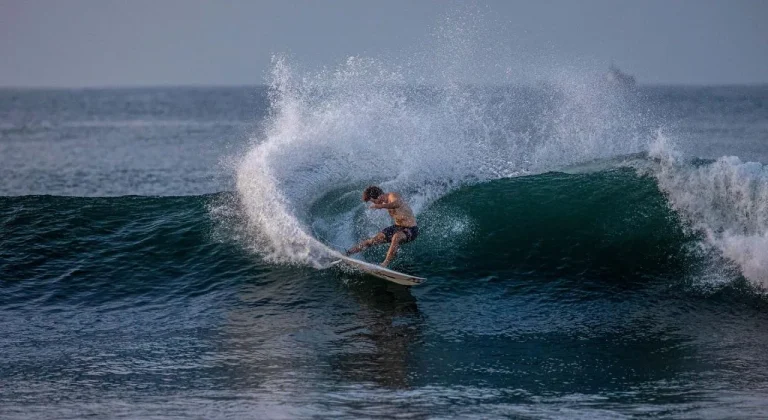
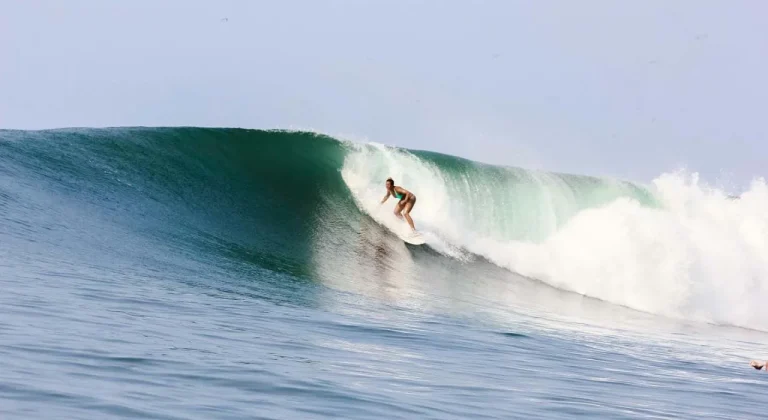
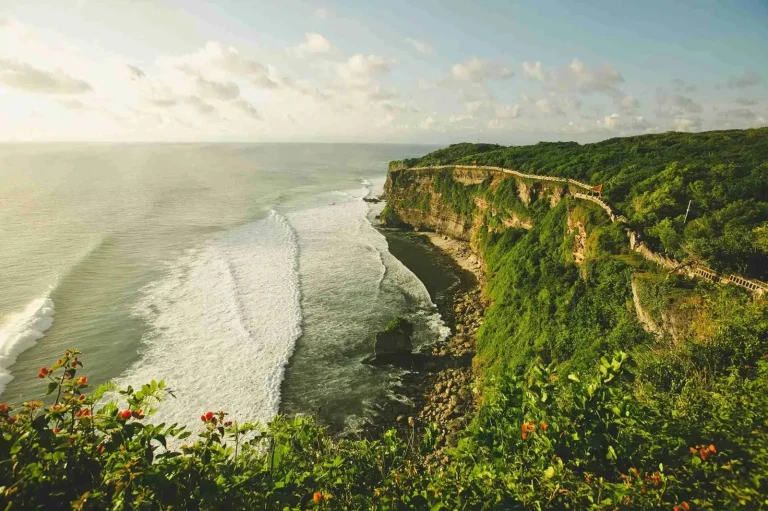
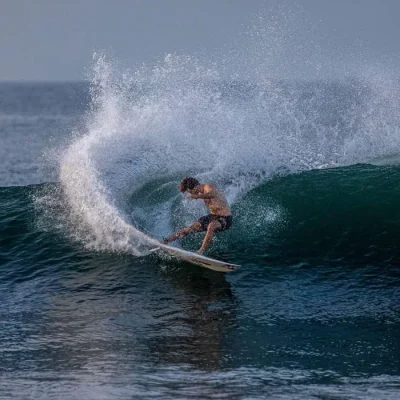
Punta Mango breaks south of El Cuco, on a small headland that juts into the Pacific. Like Las Flores an hour to the north, it is a right-hand point break — but the bottom is reef and the take-off is fast. South-west groundswell wraps around the point and hits the take-off zone with serious speed; the wave then peels in a long line for 200-300 metres on a good day, with the inside section barrelling on solid swells. There is no inside reform here in the soft sense. Everything breaks fast.
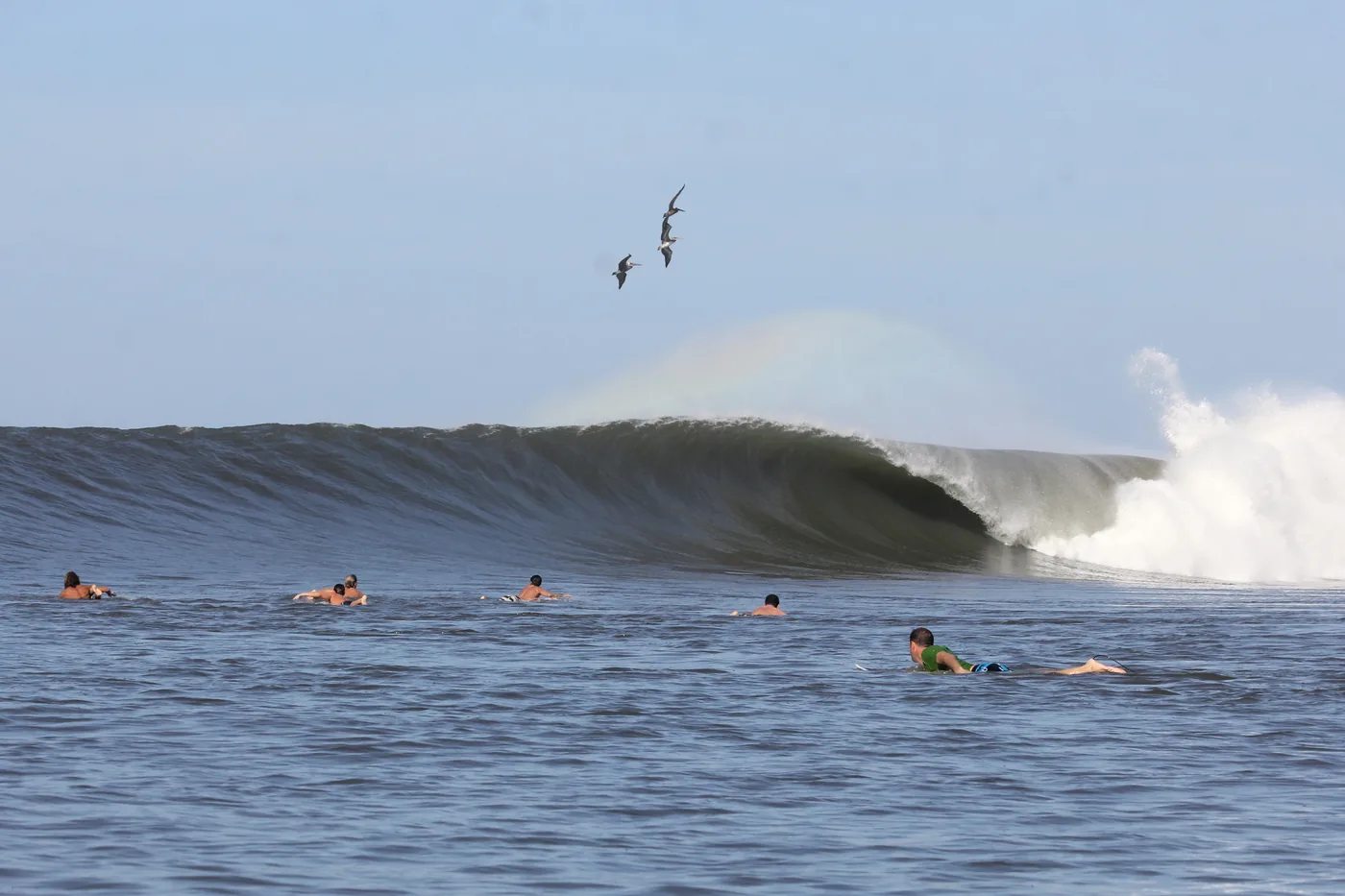
Punta Mango is best between May and September when southern-hemisphere groundswells push directly into the take-off zone. On these days you get shoulder-to-overhead with regular overhead-plus sets, all peeling rights, all over reef. Wind is offshore in the mornings (north-east trades through to about 10am most days), then it backs around. The wave can hold size — overhead-and-a-half is common — and the take-off zone is steep enough that you do not want to be there if you cannot paddle into a properly-sized south swell.
| Detail | Punta Mango |
|---|---|
| Type | Right-hand point break |
| Bottom | Reef + cobble |
| Best swell | South to south-west groundswell |
| Best wind | North-east offshore (morning trades) |
| Best tide | Mid to high |
| Wave length | 200-300m |
| Take-off | Fast, steep, over reef |
| Access | Boat only from El Cuco |
| Skill level | Confident intermediate and up; comfortable on overhead reef |
Same southern-hemisphere groundswell pattern as the rest of the El Salvador east coast. Peak season is June through September — bigger swells, more consistent overhead sets, and the most reliable wave count of the year. May and October are shoulder months: still plenty of swell, slightly smaller, lighter crowd. November to April the wave still breaks, but more selectively. Dry-season swells produce smaller, more workable conditions where the inside section becomes the main attraction.
For a full month-by-month breakdown including swell direction, wind, and water temp, see our When to surf El Salvador guide.
June-September brings the biggest swells but also afternoon rain. Mornings stay clean and offshore. The boat usually launches at first light and is back at the resort by mid-morning. You surf in the cleanest window of the day; the rain falls later when you are eating or resting. Surf travellers consistently rate this as the most rewarding wet-season trip in Central America.
Punta Mango is on the east coast, near the village of Punta Mango itself. The closest practical airport is San Salvador International (SAL), about four hours by road via the coastal highway through Usulután and El Cuco. The actual wave is reached by boat from El Cuco — a short ride of 15-25 minutes depending on conditions. The boat is the only practical access; the land route requires a 4×4 down a rough track and even then you arrive at a beach that does not give you a paddle-out lineup.
If you book the Waverick partner camp here, the boat is included in the package. Day trips from Las Flores via boat are also common — most Casa Las Flores guests add a day or two of Punta Mango boat days through their Surf Trip package.
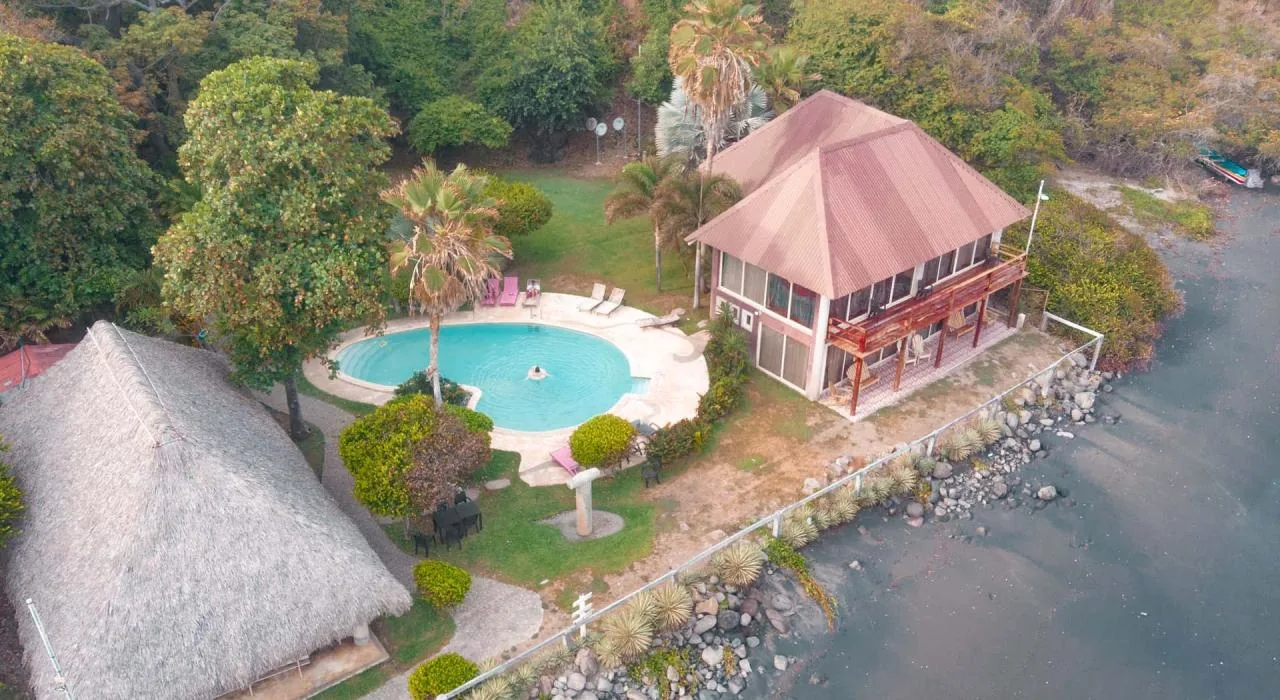
The country’s most committed surf resort, built around boat access to the country’s heaviest waves. Three package tiers cover the full progression: Coaching, Guiding, and Surf Trip — but the camp’s reason to exist is the Surf Trip programme. Private bungalows with direct coast views, an on-site restaurant, and a full boat operation. Five-night minimum.
Check Punta Mango Resort availability →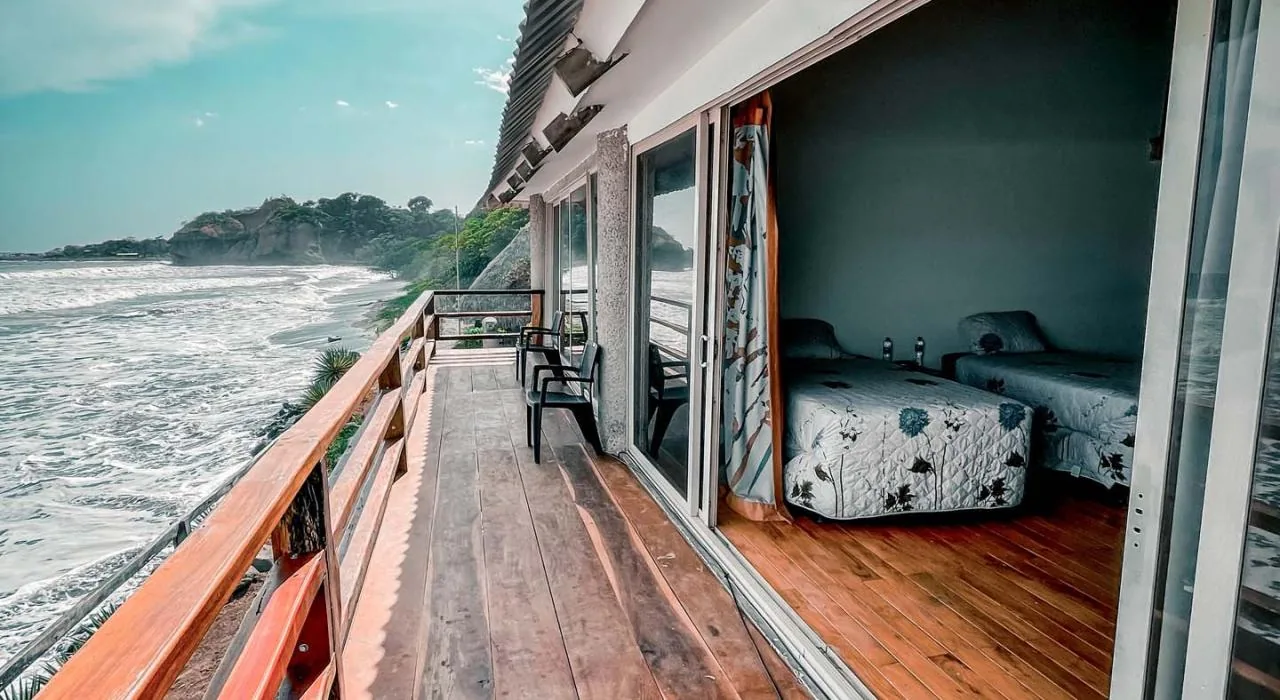
There is no real surf-traveller alternative to the resort here. The village of Punta Mango is small and not built for tourism — no surf hostels, no traveller cafés, no organised lineup of partner instructors. A handful of independent rooms exist but none include the boat access that defines the wave. Either you book the surf resort or you book Casa Las Flores up the coast and add boat days via Surf Trip.
The honest numbers from the calendar:
Punta Mango is the headline wave, but the area has options for windy days, smaller swells, or rest days.
Punta Mango demands respect. The reef is exposed, the take-off is fast, and a botched set will hit you on shallow rock. Bring booties. Bring a leash you trust. Bring boards rated for the size you intend to surf. The boat operation lines up the local protocol and the guides know the keyhole entries and exits — listen to them.
The east-coast region itself is safe for surf travellers. Same context as Las Flores: the Usulután coast has been the focus of national tourism investment since 2021 and has a strong police presence on the surf-corridor roads. Common-sense Central America protocols apply for valuables and night transport.
In the water: sun is the constant. Zinc, UPF rash vest, double the sunscreen. Wet-season hydroids appear briefly — vinegar fixes the welts. Sea snakes occasionally appear in the El Cuco bay but are not aggressive.
No. The take-off is fast, the wave breaks over reef, and the consequences of a missed set are serious. There is no soft inside reform to learn on. If you are a beginner and want to surf El Salvador, El Sunzal is the answer. See our El Salvador for beginners guide.
Both are east-coast right-hand point breaks; both work on the same south-west swell window. Las Flores is longer and slightly more forgiving — confident intermediates can surf it without too much risk. Punta Mango is heavier, faster, and demands a higher skill level. Most surf trips combine both: stay at Casa Las Flores or Punta Mango Resort and use boat days to access whichever is working better that day.
No. The Punta Mango Surf Resort packages include boat access. If you stay at Casa Las Flores, the Surf Trip package includes boat days to Punta Mango. Independent travellers booking outside a camp will need to arrange boat charters through local operators in El Cuco — possible but harder.
June through September for the biggest, most consistent swells. Late May and early October are excellent shoulder windows with slightly less crowd. December through March produces smaller waves that still work, just less consistently. If your trip is specifically for Punta Mango, target July or August.
Significantly less crowded than Las Flores, which is significantly less crowded than the La Libertad coast. The boat-access reality is a natural crowd-limiter — you cannot just paddle out at sunrise from the beach. Peak season can see a couple of boats sharing the lineup, but it is rarely a wait-for-sets situation.
A standard 5’10”-6’4″ thruster handles most conditions. For overhead-plus days, bring a step-up — 6’2″-6’6″ with more volume than your daily driver. Avoid taking a single fish or longboard as your only board; the wave is too fast for the long boards and the take-off is too steep for a flat-rockered fish. Camps rent boards if you do not want to travel with quivers.
Usually short and manageable — 15-25 minutes from El Cuco to the wave, in calm morning conditions. Afternoon swell-driven chop can make the return rougher, but the boats are built for it. If you are prone to seasickness, take medication before boarding.
Most Punta Mango trips are five to seven nights. The Surf Trip package is the typical booking — the camp is built around boat-access surfing, so unless you are intentionally choosing a slower week, the Surf Trip tier matches the property and the wave. Peak July-August can be sold out four months ahead.

 English
 Français
  Deutsch
  Español
  Italiano