 English
 Français
  Deutsch
  Español
  Italiano
 Where is the best surf spot in Morocco?
The five top regions ranked: from Taghazout's right points to Dakhla's desert lagoon. How to pick the one that fits your level and your travel window.
Read guide →

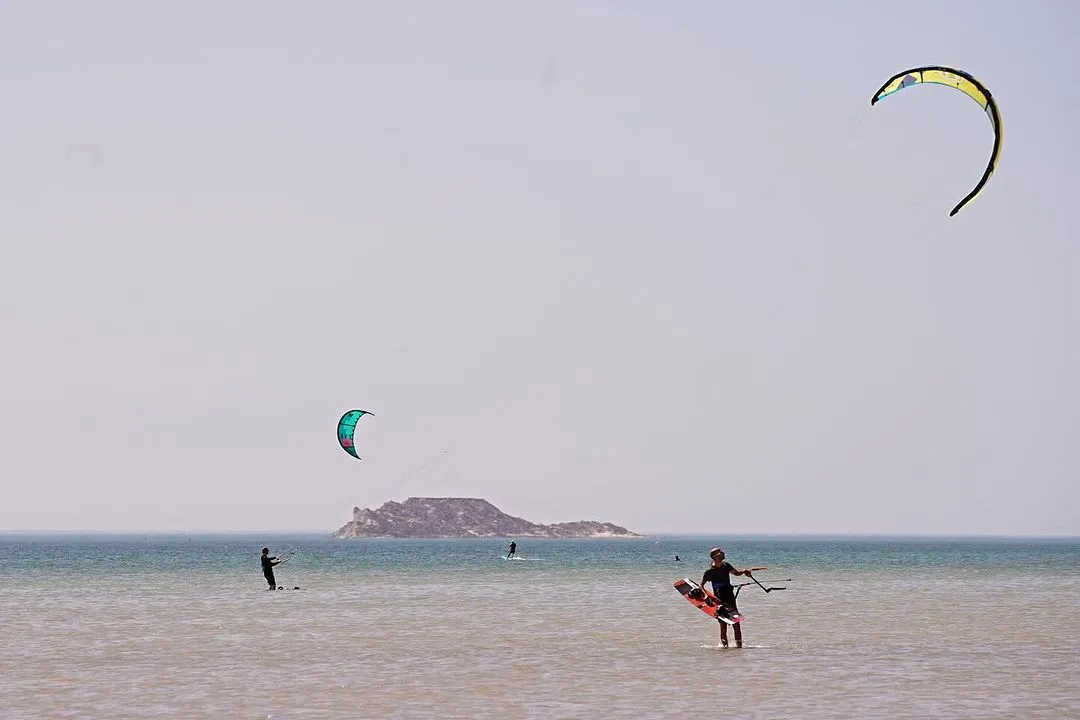
Dakhla is a 40 km Atlantic lagoon and a chain of desert beaches at the southern edge of Morocco. The flat-water lagoon is one of the world's flagship kitesurf spots; the ocean side breaks for surf October to April. Two sports, two seasons, one peninsula.
Dakhla is a 40 km Atlantic lagoon and a chain of desert beaches at the southern edge of Morocco. The flat-water lagoon is one of the world's flagship kitesurf spots; the ocean side breaks for surf October to April. Two sports, two seasons, one peninsula.
A sheet of flat water on one side, an empty Atlantic point on the other, and the Sahara behind you.
The town sits between the lagoon and the ocean. PK25 is the surf flagship: a right-hand point that runs 100 to 200 metres on a clean Atlantic swell, named after the kilometre marker on the road south. Dragon Beach is the kite zone: 30 km of butter-flat water, knee to chest deep, trade winds blowing 15 to 25 knots roughly 300 days a year.
Waverick does not yet list a Dakhla partner camp. Use the guides below to plan transfers, gear, and the surf and kite season split.

The five top regions ranked: from Taghazout's right points to Dakhla's desert lagoon. How to pick the one that fits your level and your travel window.
Read guide →
Visa, transfers, paying with dirham, the Friday rhythm: a practical primer before you fly in.
Read guide →
Beyond the wave: desert nights in a Saharan camp, hammam afternoons in the medina, oyster lunches by the lagoon.
Read guide →For surf: October to April, when Atlantic winter swells run and the wind drops in the morning. For kite: April to October, with peak trade winds from June to September (steady 20 to 25 knots). The shoulder months of October and April overlap both sports.
Dakhla Airport (VIL) is 15 minutes from the lagoon. Royal Air Maroc runs direct flights from Casablanca (2.5 hr) and Las Palmas. Most camps include the VIL transfer; a private taxi is 100 to 200 MAD.
Dakhla is a desert peninsula: bring sunscreen, lip balm, and a wind-proof layer for the evening. The town has a few cafes and small restaurants but the action is on the lagoon. Oysters are the local specialty, the harvest runs year-round.
Dragon Beach is the flat-water mecca: 30 km of knee to waist-deep water, no swell, side-onshore wind. Foum Labouir is the next spot south, a wave-and-flat combo. Speed Spot, further south still, has the open-Atlantic chop for upwind speed sessions.
Dakhla partner camps are coming to Waverick. In the meantime, browse all Morocco surf camps.
See Dakhla Surf CampsBoth. The Atlantic side breaks for surf from October to April: PK25 is the flagship right-hand point, with PK28 nearby for a softer wave. The lagoon side is kite-only year-round, peaking from April to October when the trade winds blow steady 20 to 25 knots.
Famously windy. Trade winds blow 15 to 25 knots about 300 days a year, with the peak from June to September. The wind is what makes the kite scene work and what keeps the surf side glassy in the dawn hours before the trades kick up.
No. Most European, North American, and Australian visitors enter Morocco visa-free for up to 90 days. Dakhla is reached on a domestic flight from Casablanca or Marrakech, with no extra paperwork.
Beginners are welcome. Dragon Beach is the canonical learn-to-kite spot: knee to chest-deep flat water, steady side-onshore wind, and rescue boats on standby at most schools. Intermediate and advanced riders use it for freestyle and downwind sessions.
For surf, a 3/2 mm wetsuit (December to February) or a spring suit the rest of the year, plus a board sized to PK25's chest-high wave. For kite, a 9 to 12 metre kite covers the peak summer trades; bigger 14 metre for the shoulder months. Schools rent all gear.
Beach breaks, year-round trade winds, and the quiet village of Sidi Kaouki just down the coast. Essaouira is where surf meets wind sports and Gnaoua music sets the evening tempo.
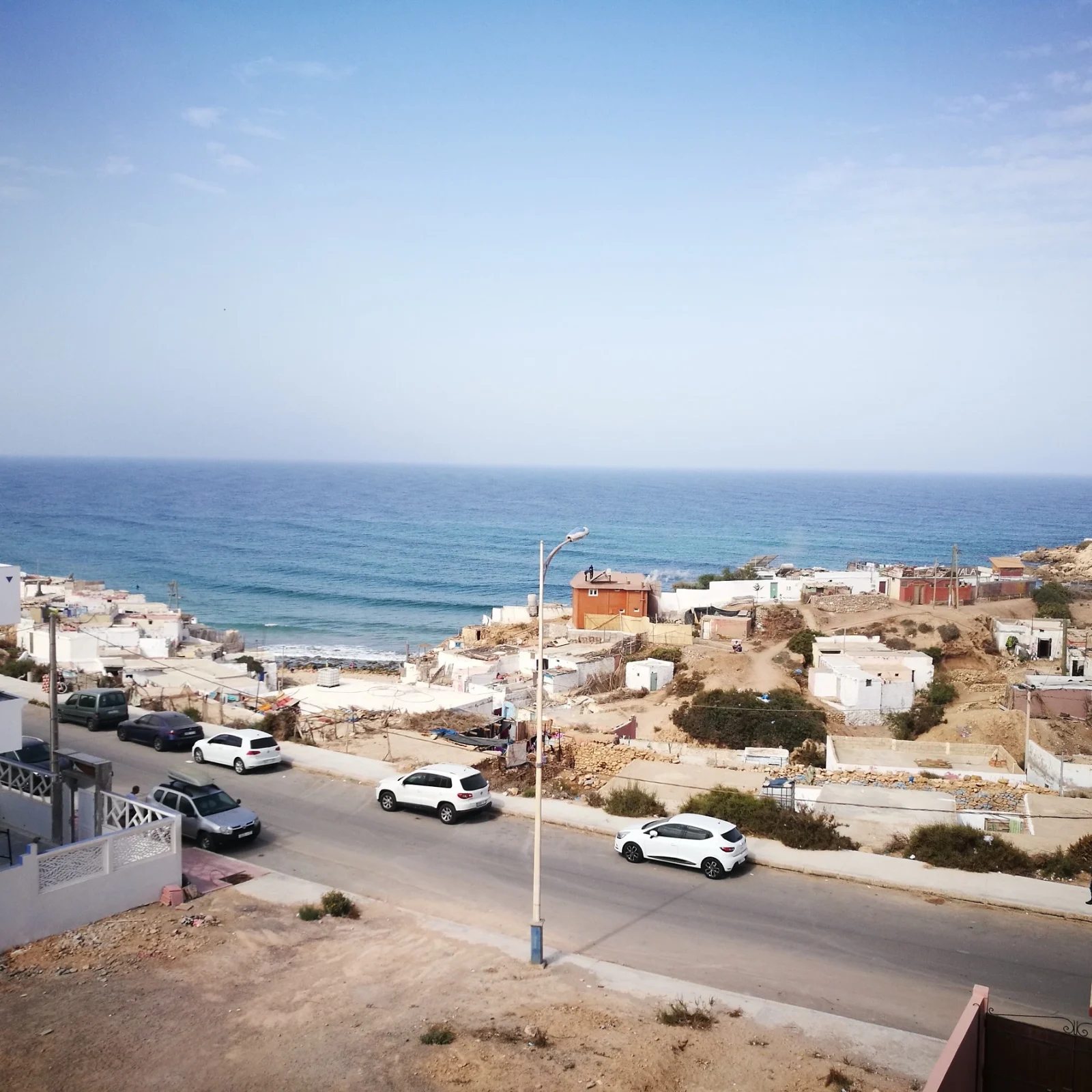
Africa’s longest right-hand wave wraps the bay for up to 800 metres. Cathedral Point sits next door for the heavier days. A tiny fishing village in between, two hours north of Taghazout.
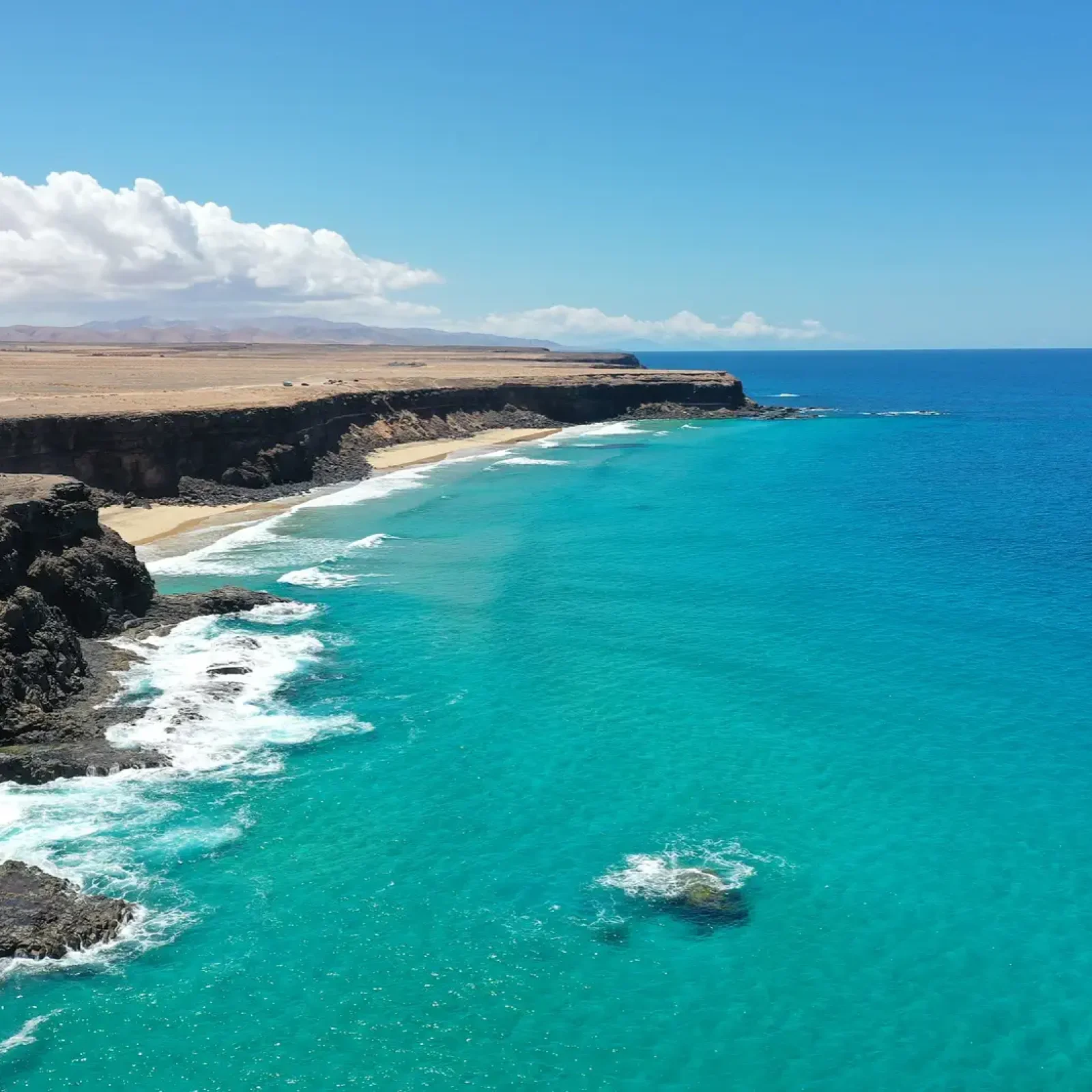
The wind island. 150 km of Atlantic coast, sand-bottom beach breaks in the north, reef setups around El Cotillo, and trade winds that almost never quit.
