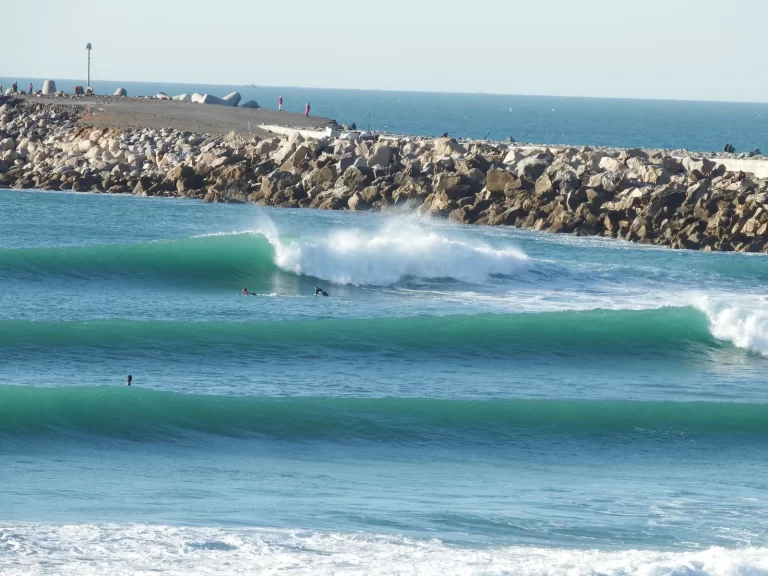
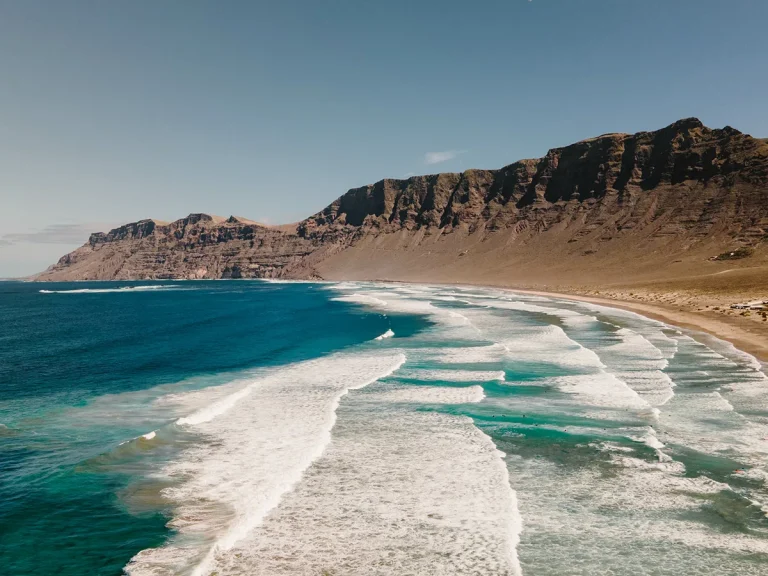
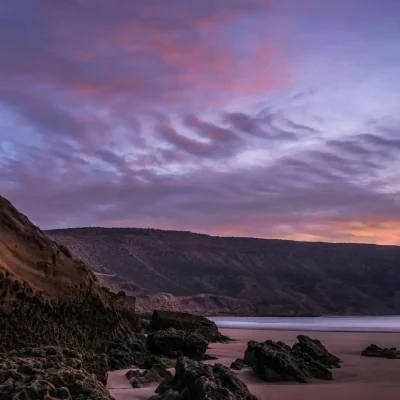
Morocco has made its mark on the global surfing scene with its extensive North Atlantic coastline offering consistent swells, gorgeous landscapes, and authentic cultural experiences. From busy ancient cities to quiet coastal villages, Morocco gives surfers of all levels something to get excited about: whether you’re just learning to balance on a board or you’re a seasoned pro hunting for that perfect barrel.
But where exactly is the best surf spot in Morocco? That’s up to you and depends on your experience, what you like, and the type of wave you’re after. Let’s check out ten of Morocco’s top surf destinations to help you find your perfect wave.
Taghazout: Morocco’s Surfing Hot Spot
The name Taghazout echoes through surfing circles worldwide. This transformed fishing village has become Morocco’s most celebrated surf destination, earning its reputation as the country’s “surfing mecca.” What started as a quiet Berber fishing village discovered by adventurous surfers in the 1960s has grown into a busy hub with options for wave riders of all abilities.
If you want more details about this area, check out our guide to the top 10 best surf spots in Taghazout for a closer look at what makes this region special.
For Beginners: Panoramas
Located on the southern edge of Taghazout village, Panoramas offers an ideal learning environment with its long, sweeping right-hand point break. Beginners will like the high tide especially, as the beach break section creates smaller, gentler waves perfect for catching your first rides. The sandy bottom makes wipeouts less scary: which happens often when you’re starting out. As you improve, you can move to the point break section for longer, more challenging rides.
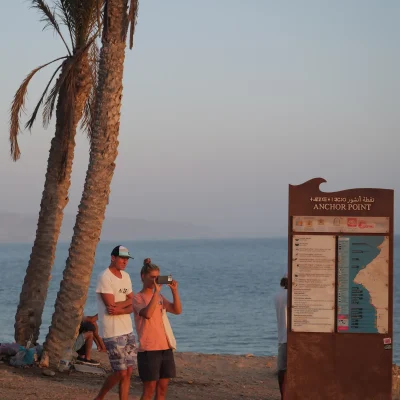
For Advanced Surfers: Anchor Point
Anchor Point stands as a legendary wave that attracts advanced and professional surfers from everywhere. This jewel of Moroccan surfing is known for its long, peeling right-handers that can stretch over 200 meters. The wave has a steep take-off, leading into wall sections perfect for carving moves, and ends with hollow, fast sections ideal for barrels: especially when a good-sized westerly swell hits at low tide. It’s hosted prestigious World Surf League competitions, though it gets crowded when conditions are prime.
Essaouira Region: Culture Meets Waves
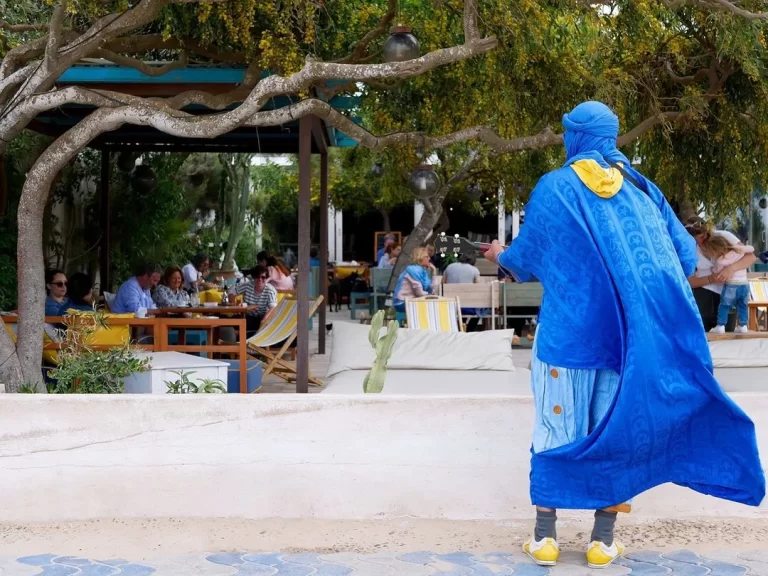
Essaouira isn’t just about surfing; it’s a beautiful, historic UNESCO World Heritage site with an authentic Medina, busy harbor, and impressive fort. This former hippie town keeps its old-world charm while offering a unique mix of cultural exploration and surfing adventure.
For Beginners: Essaouira Bay
Essaouira Bay is a great spot for learning the basics of surfing. This beach break, with its soft sand bottom, is forgiving for those still finding their balance. It works best at high tide with a light north wind, creating both left and right peaks that let beginners practice basic surfing skills. Mornings are usually quieter and offer better conditions before the afternoon winds pick up.
For Advanced Surfers: Safi
Just north of Essaouira, advanced surfers often head to Safi, home to a big beach break with rocky slabs offering powerful and curly waves. However, Safi is most famous for its right-hand point break, often called “The Garden” (Ras Lafaa), which can produce world-class waves. When a good swell hits, “The Garden” delivers tubing waves that rival Jeffrey Bay in South Africa, reaching impressive heights and offering rides up to 500 meters. This powerful and hollow wave, breaking over a rocky reef, is made for advanced surfers looking to test their skills in Morocco’s most epic conditions.
Imsouane: Home to Africa’s Longest Wave
Between Essaouira and Agadir, the small fishing village of Imsouane has gained recognition as a must-visit surf destination, especially for its exceptionally long and mellow wave known as “The Bay” or “Magic Bay.” This once-hidden spot has become popular among surfers seeking extended rides in a quieter setting compared to the busy surf camps of Taghazout.
For Beginners: The Bay (Magic Bay)
The Bay in Imsouane is often mentioned as one of the most beginner-friendly surf breaks in Morocco. This long right-hander can break for an amazing distance, sometimes up to 600 meters when conditions line up perfectly, making it one of the longest waves in Africa. The sandbanks make it friendly for beginners, and the easy paddle out adds to its accessibility. Both longboarders and shortboarders love it for its playful waves that rarely get messy or too big.
For Advanced Surfers: The Cathedral
On the other side of The Bay, advanced surfers can find a more challenging break at The Cathedral. This spot has faster and less forgiving waves with sandy bottoms and potential for barrels, especially during winter. The waves here tend to be punchier, making it more exciting for those with experience.
While Agadir city itself might not be the main attraction for serious surfers, it serves as a crucial gateway to some of Morocco’s most famous surf spots, including those in Taghazout and Imsouane. The Agadir Al Massira Airport (AGA) is a common entry point for surfers heading to this part of the Moroccan coast.
For Beginners: Agadir Beach
With over 10 kilometers of fine sand and generally calm waters, Agadir Beach provides great conditions for learning and practicing basic surf skills. The beach also has lifeguards, creating a safe environment for beginners. While more experienced surfers can find waves forming off the beach, reaching about a meter in height on average, it’s usually more crowded, especially during the summer high season.
For Advanced Surfers: Boilers
Near Cap Ghir about 40 kilometers north of Agadir, Boilers presents a challenging reef break. Named after the boiler of a sunken shipwreck visible at the takeoff zone, Boilers offers fast, hollow right-hand waves with a steep drop, making it a thrilling ride for experienced surfers. This spot is known for its powerful tubes and requires caution due to a strong current when the swell is big and a shallow reef. The best conditions typically show up between September and April with large swells and offshore winds.
Located north of Essaouira, the coastal town of Safi is mainly known for one exceptional surf spot: “The Garden” (Ras Lafaa). While the town has a charming, simple seaside appeal, it’s “The Garden” that draws expert surfers from across the globe.
For Beginners: Asafi Beach
While Safi’s fame comes from “The Garden,” beginners might find more accessible waves at Asafi Beach, a beach break that works with a south wind and can be surfable even when other spots in Essaouira and Agadir are flat. This gives an option for those still learning, though it’s not as well-known as a beginner spot.
For Advanced Surfers: “The Garden” (Ras Lafaa)
The star of Safi’s surfing scene is “The Garden” (Ras Lafaa), a right-hand point break with legendary status for its powerful, hollow barrels. This wave can swell to significant heights, exceeding 16 feet, and produce barrels that can run for up to 500 meters. Breaking over a rocky reef, “The Garden” demands respect and skill, making it suitable only for advanced and professional surfers. Strong rips and the tricky nature of the break add to its challenging reputation. The best conditions typically occur from October to March with a west to northwest swell and an offshore wind from the east.
Tamri: Consistent Waves with a View
About an hour’s drive north of Taghazout, the small fishing village of Tamri is emerging as a notable surf destination, often bigger than its more famous neighbor. This northerly facing beach break is known for its consistent waves throughout the year, offering a quieter and more authentic Moroccan coastal experience compared to the more commercial spots.
For Beginners: Tamri Beach
Beginners will like the mellow right-hand point break found in the bay at Tamri Beach. This break works well for beginners and longboarders. The nearby beach also provides nice A-frame peaks. Tamri Beach is known for its consistency and sandy bottom, making it a safer option for those still learning. It works well from low to high tides, and the mornings often bring offshore winds, creating clean and rideable waves.
For Advanced Surfers: Drakula Point
Advanced surfers in Tamri might want to check out Drakula Point, a reef break located north of Taghazout. This spot is exposed to the waves, making it perfect for experienced surfers seeking a challenge. The rocks at this spot supposedly look like vampire’s teeth, giving it its distinctive name.
Sidi Kaouki: Uncrowded Waves and Peaceful Vibes
About 25 kilometers south of Essaouira, Sidi Kaouki is a quiet coastal village that has gained popularity for its consistent waves and uncrowded beaches, making it a favorite among both surfers and kitesurfers. This calm spot offers a more peaceful surf experience compared to the busier destinations in Morocco.
For Beginners: Sidi Kaouki Main Beach
Beginners will find Sidi Kaouki Main Beach a great place to learn. This long, sandy beach offers gentle, forgiving waves with a sandy bottom, perfect for surf lessons and those working on their technique. The beach break provides both right and left waves depending on the tide, with waves typically ranging from 0.50m to 3m. It works best with mid to high tide, and the mornings usually have lighter winds, providing better surf conditions. Summer months bring smaller, more beginner-friendly waves.
For Advanced Surfers: Marabout Point
More advanced surfers in Sidi Kaouki often visit Marabout Point, a right-hand point break. This spot offers long, peeling right-hand waves over a reef, giving plenty of opportunities for turns and cutbacks. Marabout Point works best at mid tide with offshore winds and is considered one of the most iconic waves in the area.
Dakhla: Where Desert Meets Ocean
In the far south of Morocco, Dakhla offers a unique surfing experience, mixing desert landscapes with consistent waves. This destination is known for its calm atmosphere, sunshine, and pleasantly warm waters even during winter. Dakhla is also world-renowned for its excellent kitesurfing conditions, making it a paradise for water sports fans.
For beginners in Dakhla, El Arish, located about 60 km north of Dakhla, offers a long progressive wave suitable for learning. Advanced surfers will find challenging waves at Oum Lamboiur (also known as Westpoint), a point break known for its consistent and powerful waves, often hosting stages of the professional surfing circuit. Lassarga, located at the southern tip of the Dakhla peninsula, is another highly regarded spot known for its exceptionally long waves that wrap around a sandy point.
So, Where is the Best Surf Spot in Morocco?
Morocco’s varied coastline offers a treasure trove of surf spots, each with its own character and appeal. From the gentle, forgiving waves of Essaouira Bay and Agadir Beach ideal for beginners, to the challenging barrels of Safi’s “The Garden” and the long rides at Imsouane’s “The Bay,” and the legendary point breaks of Taghazout, there’s a perfect wave waiting for every surfer.
The “best” spot really depends on who you are as a surfer. Whether you want a safe place to learn, the thrill of a powerful wave, or the vibe of a particular surf town, Morocco offers an unforgettable surfing adventure. So, pack your board, step into Moroccan culture, and discover your own perfect wave along this amazing coast.
For those specifically interested in the Taghazout region, don’t forget to check out our complete guide to the top 10 surf spots in Taghazout for more detailed information on this surfing paradise.
Ready to book: When you have picked the wave, pick the camp. Compare 11 surf camps across Morocco: real prices, verified reviews, no agent markup.
FAQ About Surfing in Morocco
When is the best time to surf in Morocco?
The most consistent surfing season in Morocco generally runs from October to April, with the winter months offering the most powerful swells. However, summer months (June to September) can also provide smaller, more manageable waves that are ideal for beginners. Different regions have slight variations in their prime seasons, with places like Dakhla offering good conditions almost year-round.
What wetsuit do I need for surfing in Morocco?
For winter surfing (November to March), a 3/2mm full wetsuit is typically sufficient, as water temperatures range from 17-19°C (63-66°F). In summer months, water temperatures can rise to 21-23°C (70-73°F), allowing for a short-sleeve springsuit or even just board shorts and a rash guard on the warmest days.
Is Morocco suitable for beginner surfers?
Absolutely! Morocco offers several excellent spots for beginners, including Panoramas in Taghazout, Essaouira Bay, The Bay in Imsouane, Agadir Beach, and Sidi Kaouki Main Beach. These locations feature sandy bottoms, gentler waves, and often have surf schools and rentals available. The diverse coastline ensures that beginners can find suitable conditions year-round, especially in the summer months when waves are typically smaller.
How do I get around to different surf spots in Morocco?
Most international visitors arrive via flights to Agadir, Marrakech, Casablanca, or Essaouira airports. From there, options include rental cars (recommended for flexibility), taxis, private transfers, or public buses. Many surf camps also offer transportation to nearby breaks. Having your own vehicle is particularly useful if you want to explore multiple regions or chase the best conditions across different spots.
What should I know about local culture when surfing in Morocco?
Morocco is a Muslim country with conservative cultural norms. Respect local customs by dressing modestly when not surfing, especially in towns and villages. Ask permission before photographing locals. Learn a few basic Arabic or French phrases. Be aware that alcohol may not be widely available outside of tourist areas. Female surfers should know that while surfing in a wetsuit is acceptable, topless sunbathing is not appropriate. Overall, Moroccan people are known for their hospitality, and a respectful attitude will enhance your experience.
FAQ: Best Surf Spots in Morocco
Where’s the best place to surf in Morocco?
Taghazout is the most popular and easiest base: dense cluster of breaks (Anchor Point, Killer Point, Banana Beach, Panoramas) within a short drive, surf-camp infrastructure, and direct flights into Agadir 30 minutes south. Imsouane offers the country’s most beginner-friendly long wave at The Bay. Essaouira gives you culture-plus-surf with kitesurf in summer. Safi has the heaviest wave at Ras Lafaa for advanced only. The best place depends on your level: beginners → Imsouane Bay or Taghazout Panoramas; intermediates → Taghazout Banana Beach; advanced → Anchor Point, Boilers or Safi.
What area in Morocco do I stay in for surf?
The Taghazout-Tamraght-Banana Village corridor is the default choice: 90% of Moroccan surf camps cluster here because every level of break is within 20 minutes. If you want quieter nights, sleep in Tamraght or Banana Village and drive into Taghazout breaks. For wave-first travellers chasing one specific spot, Imsouane (90 min north of Taghazout) for The Bay or Essaouira (4 hr north) for kitesurf-plus-surf. Avoid basing in Agadir city itself: it’s the airport hub but you’ll commute 25-45 minutes to every session.
What is the best month for surf in Morocco?
October to April is the main season, with November to March the consistent winter peak. November and March are the sweet spots: full-size NW Atlantic swells, gentler crowds at famous breaks, mild 18-22 degree air. December to February is biggest, busiest, and best for advanced surfers chasing Anchor Point. April-May and September are best for ambitious beginners and intermediates: smaller, gentler, less crowded. June to August goes flat and is best for swimming + introductory beginner lessons rather than serious surf.
Is Morocco any good for surfing?
Yes, Morocco is one of Europe’s most accessible serious surf destinations. Atlantic swells from the North Atlantic produce consistent winter waves, the coastline runs roughly NW-SE so it picks up most directions, and the breaks include world-class right-hand points at Anchor Point and Killer Point, beach breaks at Panoramas and Banana, plus the long peeling right at Imsouane Bay. Direct flights from European hubs to Agadir + a developed surf-camp scene make it cheaper and easier than chasing Portugal or Spain in the same season.
Which Morocco spots are best for beginners?
Three clear picks. Imsouane’s Bay (Magic Bay): the longest, slowest, most forgiving wave in Morocco, sometimes 600 metres of ride time. Taghazout’s Banana Beach: a 10-minute drive south, gentle right-hand curl, all tides. Taghazout’s Panoramas: at the southern edge of the village, sandy bottom, smaller waves at high tide. Essaouira Bay also works but the wind picks up after midday so morning sessions only.
What are the best surf towns in Morocco?
Taghazout (the surf capital, busiest, most options), Tamraght (quieter neighbour, same breaks), Imsouane (small fishing village, one legendary wave), Essaouira (UNESCO medina, kitesurf in summer, surf in winter), Sidi Kaouki (25 km south of Essaouira, beach breaks, quieter). Safi has the heaviest wave but limited tourist infrastructure: surfers usually day-trip there from Essaouira rather than stay.
Is Morocco better than Portugal for surf?
Morocco wins on consistency in winter (Oct-Mar) when Portugal’s Atlantic gets cold, stormy, and unpredictable. Portugal wins on summer and shoulder seasons (May-Oct) when Morocco often goes flat. For pure wave quality, Portugal’s Ericeira and Peniche regions deliver more variety. Morocco’s edge is the price: typically 30-40% cheaper for the same trip. If you have one week in winter, Morocco. If summer/autumn, Portugal.
Do I need a car to surf Morocco?
No. Most surf camps in Taghazout, Tamraght, Imsouane and Essaouira run daily transport to the breaks based on conditions. A car is useful only if you want to chase swell across multiple regions in one trip, or if you’re staying in a self-catering apartment without camp transport. Renting from Agadir airport runs 30-50 EUR per day. Local petit taxis are cheap (5-10 EUR) for short hops between Taghazout and Tamraght.
Complete the form, and we’ll suggest camps that fit your budget and needs.
Welcome
30€ OFF WITH THIS CODE
SURF30OFF
Offer Details:
Make your travel experience affordable with Waverick. Apply this coupon coupon code at checkout and get a 30€ discount on all orders. Minimum spend 500€.


 By Steeve
 Located on the southern edge of Taghazout village, Panoramas offers an ideal learning environment with its long, sweeping right-hand point break. Beginners will like the high tide especially, as the beach break section creates smaller, gentler waves perfect for catching your first rides. The sandy bottom makes wipeouts less scary: which happens often when you’re starting out. As you improve, you can move to the point break section for longer, more challenging rides.
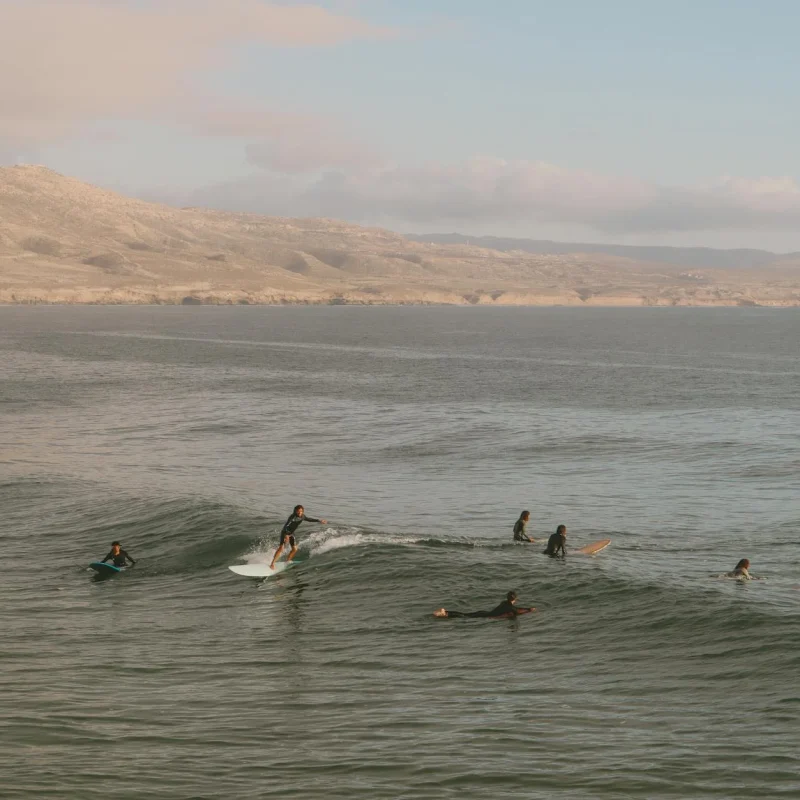 Between Essaouira and Agadir, the small fishing village of Imsouane has gained recognition as a must-visit surf destination, especially for its exceptionally long and mellow wave known as “The Bay” or “Magic Bay.” This once-hidden spot has become popular among surfers seeking extended rides in a quieter setting compared to the busy surf camps of Taghazout.
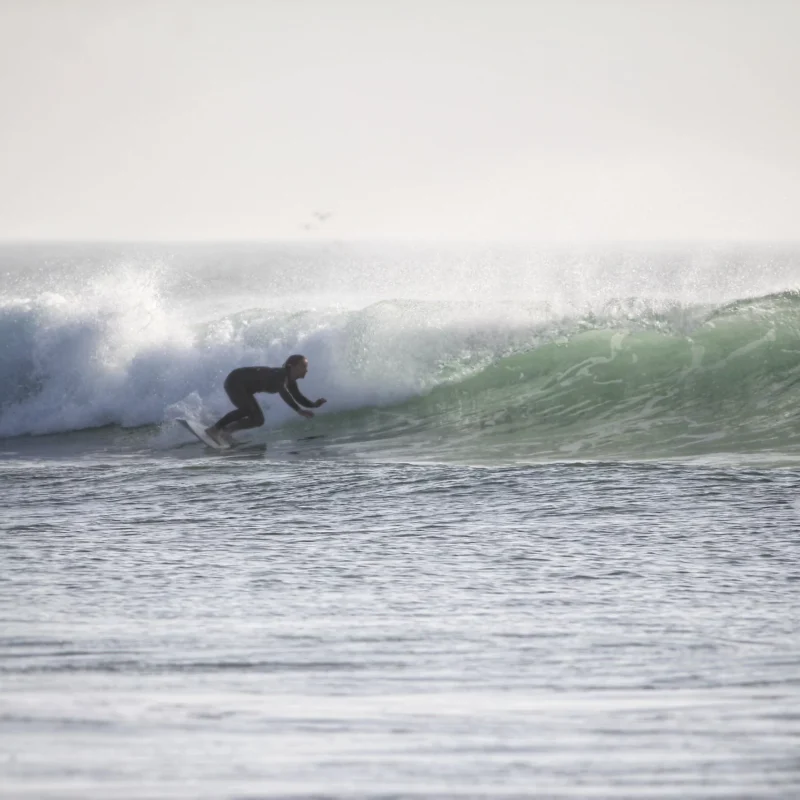 Beginners will find Sidi Kaouki Main Beach a great place to learn. This long, sandy beach offers gentle, forgiving waves with a sandy bottom, perfect for surf lessons and those working on their technique. The beach break provides both right and left waves depending on the tide, with waves typically ranging from 0.50m to 3m. It works best with mid to high tide, and the mornings usually have lighter winds, providing better surf conditions. Summer months bring smaller, more beginner-friendly waves.

 English
 Français
  Deutsch
  Español
  Italiano