 English
 Français
  Deutsch
  Español
  Italiano
 The Best Surf Camps in Costa Rica
An honest pick of the country's stronger camps, what each is good at, and who they suit.
Read →

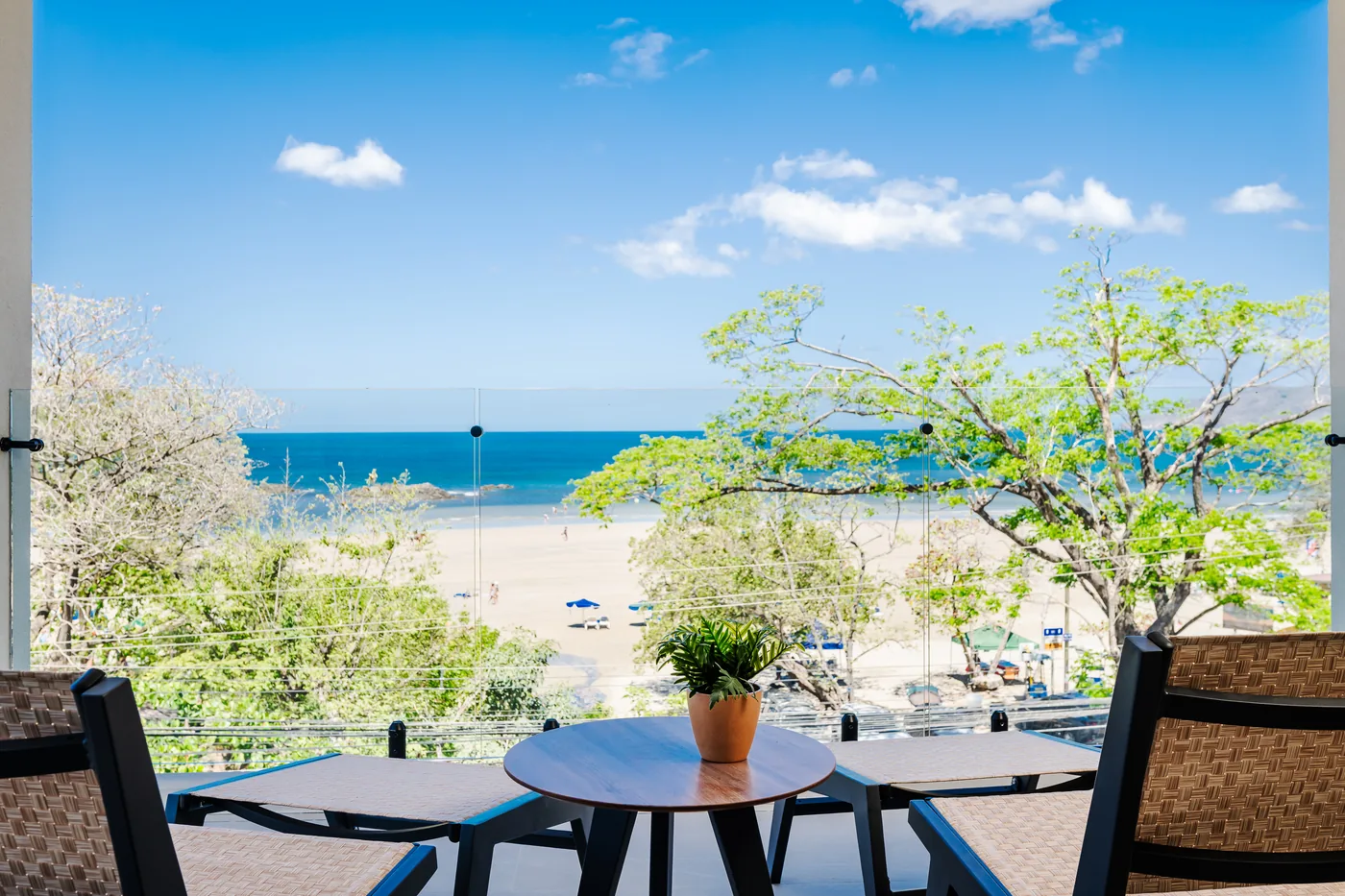
Costa Rica surf travel stays on the Pacific side. From Tamarindo south through Nosara and Santa Teresa, 250 kilometres of warm-water coast deliver consistent beach breaks, a few reef points, and some of the longest peeling rights in Central America.
Costa Rica surf travel stays on the Pacific side. From Tamarindo south through Nosara and Santa Teresa, 250 kilometres of warm-water coast deliver consistent beach breaks, a few reef points, and some of the longest peeling rights in Central America.
Liberia airport puts you in board shorts inside the hour. Most camps run Saturday to Saturday on a single weekly package: daily lessons, video review and a transfer all baked in. Pura vida is real, but the surf calendar is sharper than the marketing: biggest swells May to November.
"The easiest country in Central America to get in the water on day one, and the easiest to extend your trip a week longer than planned."
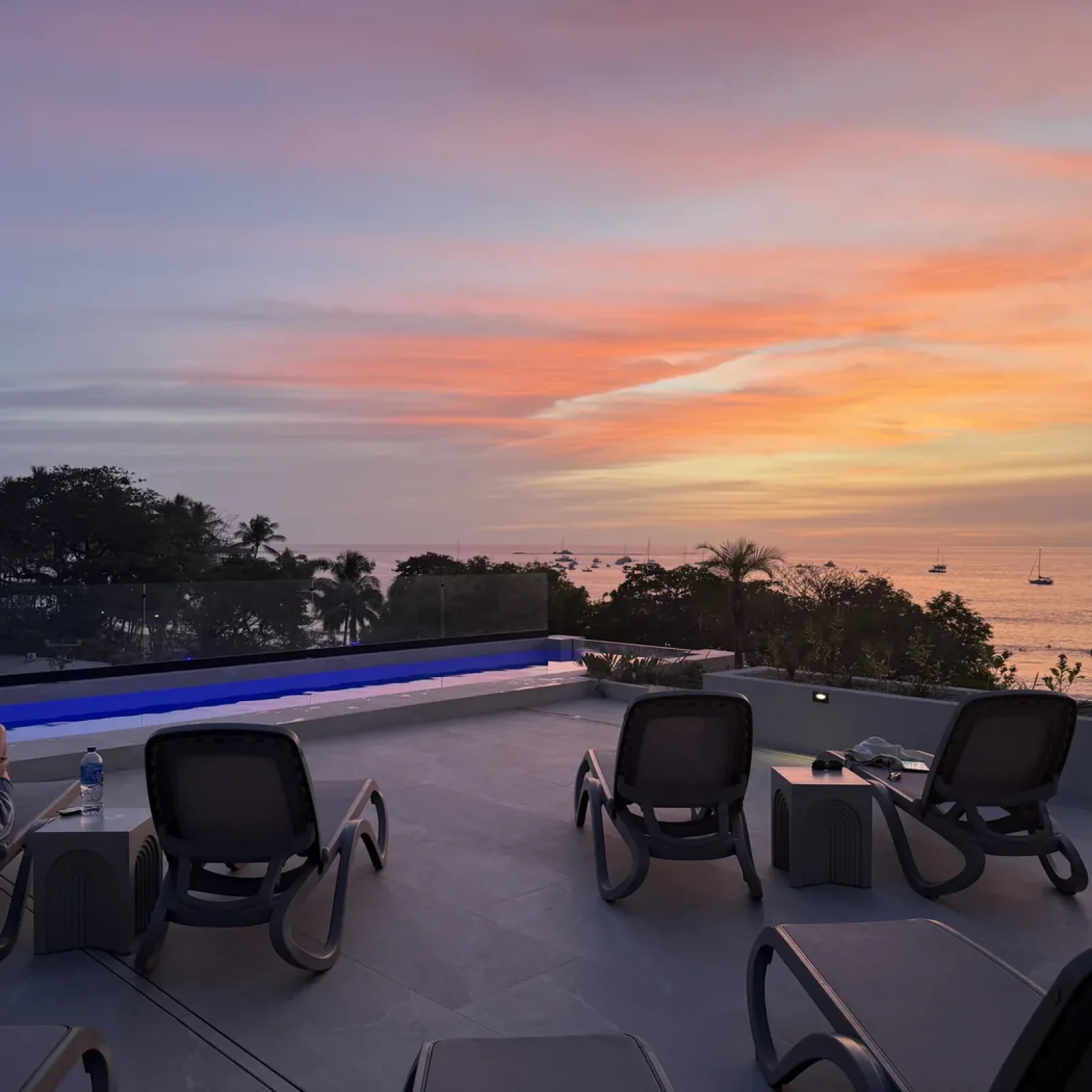
An honest pick of the country's stronger camps, what each is good at, and who they suit.
Read →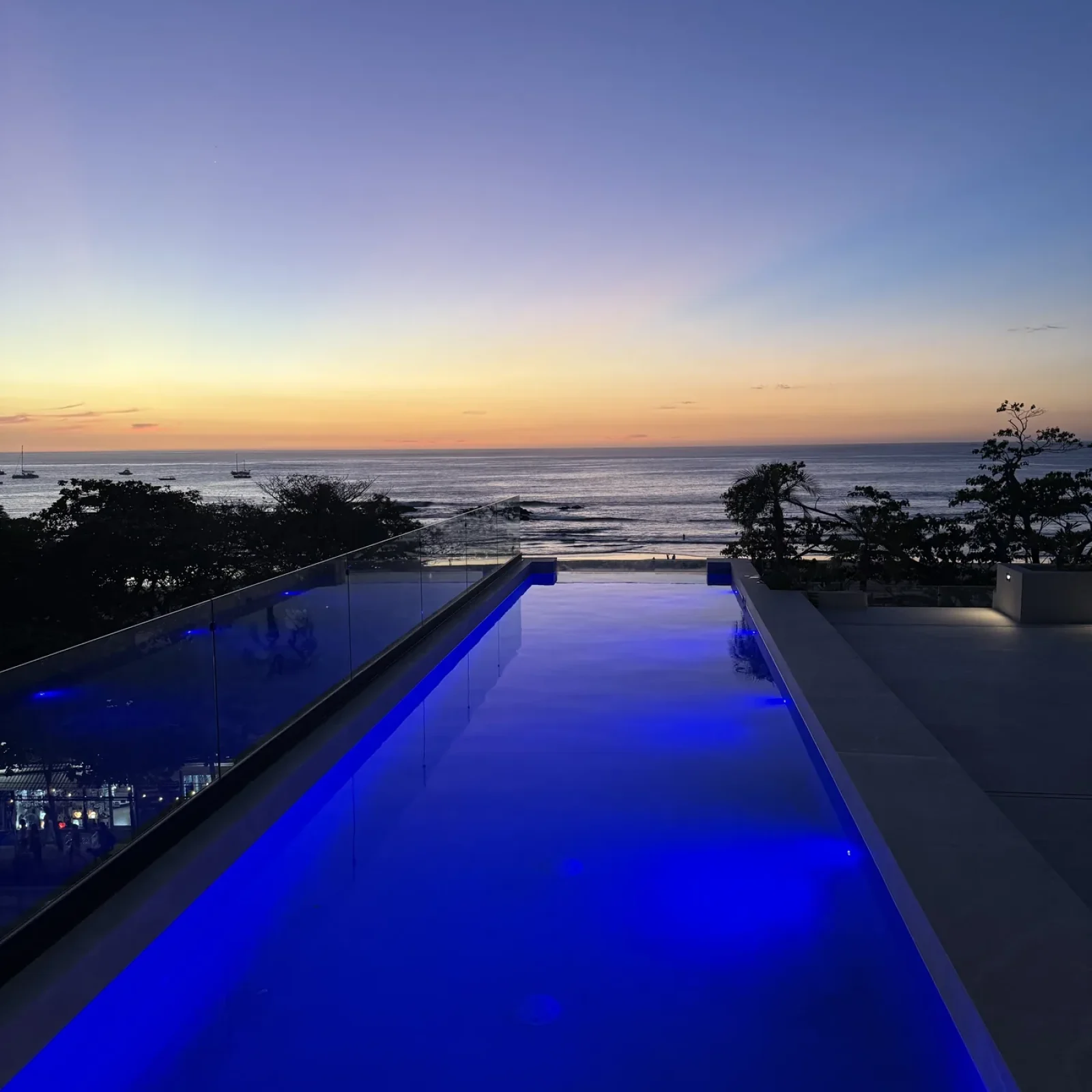
Three Pacific surf hubs, three different vibes. Where to base yourself by what you came to do.
Read →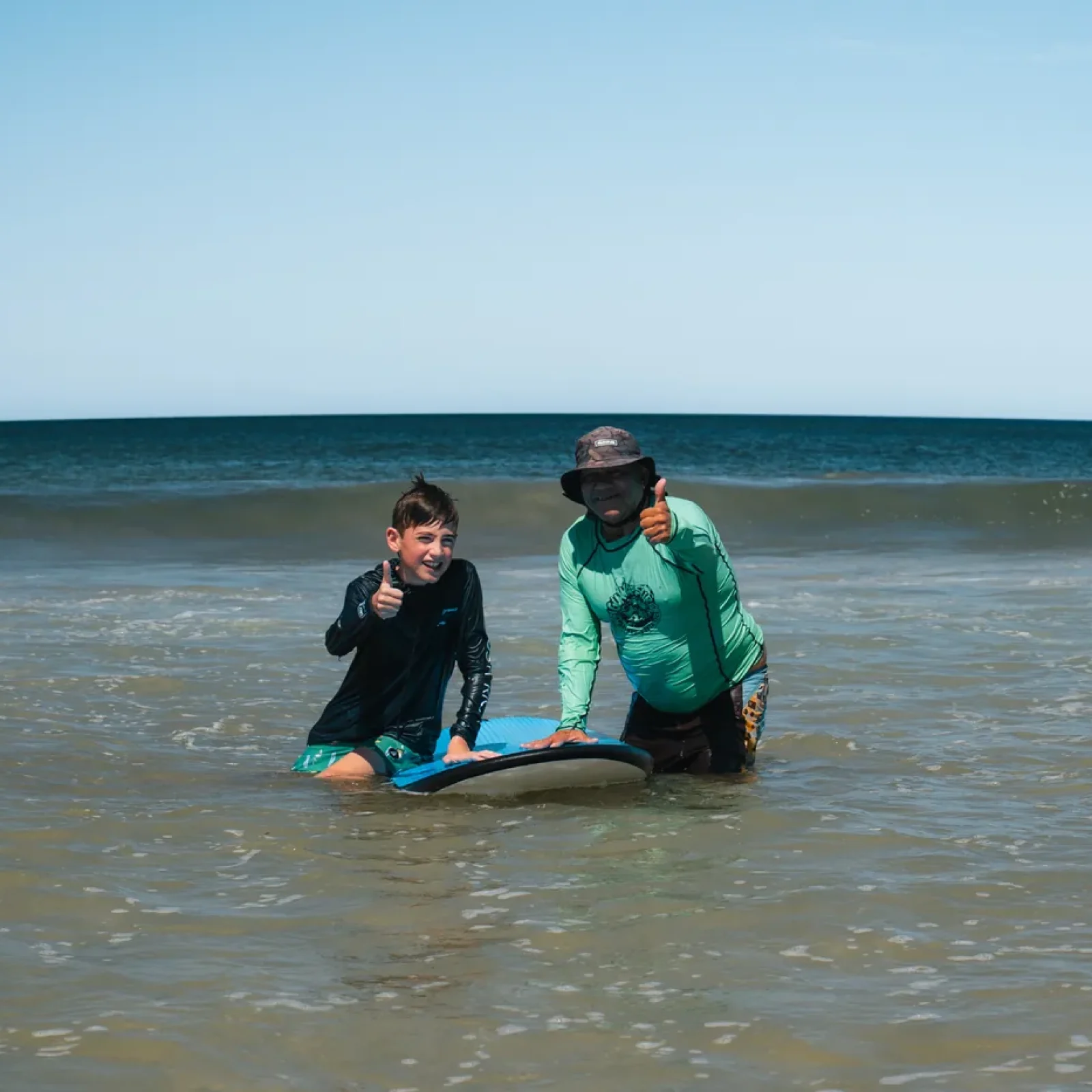
The main beach, the peaks, the season, plus the day trips: Playa Grande, Avellanas, Negra.
Read →May to November for the biggest swells (green season, short tropical showers). December to April for sunshine and easier surf.
Fly into Liberia (LIR) for Tamarindo and Guanacaste, 1 hour transfer. San Jose (SJO) for Nicoya and Santa Teresa, 4 to 5 hours by road plus ferry.
From €806 / 5 nights at Iguana Surf Boutique Hotel. Casado plate (rice, beans, plantain, chicken) at a Tamarindo soda: €7.
Rent a 4x4 to chase swells around Nicoya (rough roads in green season). Town taxis €4 to €8. Domestic flights cut Liberia to Nosara to 30 minutes.
Casado at a soda (€7), gallo pinto for breakfast, fresh ceviche (€8), Imperial beer at the beach bar (€3). Costa Rican coffee is real: black, strong, served everywhere.
90 days visa-free for US, UK, EU. USD widely accepted alongside colones. 13 percent VAT is included in published prices. Saturday-to-Saturday packages are the norm.
One boutique camp in Tamarindo today, more arriving in 2026 across Guanacaste and Nicoya.
See Costa Rica Surf CampsMay to November brings the most consistent and biggest swells on the Pacific side. December to April is drier with smaller, easier surf, friendlier for beginners. Water sits at 27 to 29 °C year-round, no wetsuit needed.
Yes. Tamarindo main beach is one of the friendliest beginner setups in the region: sandy bottom, gentle whitewater, surf schools on the beach. Save the reef points (Witch's Rock, Roca Bruja) until you are confident on green waves.
Liberia (LIR) for the Guanacaste coast (Tamarindo, Playa Grande, Avellanas, Nosara). San Jose (SJO) for the Nicoya peninsula (Santa Teresa, Mal Pais). Liberia is the easier option for most surf travellers: under an hour by road to Tamarindo.
Costa Rica has fewer crowded line-ups and more variety in a small area: beach breaks, reef points and river-mouth setups within an hour. Prices are higher than Bali or Sri Lanka but lower than France or Portugal in summer. Saturday-to-Saturday packages are the regional norm.
More expensive than other tropical surf destinations. Budget around €100 to €150 per day all-in once you are there. The flight is the real cost from Europe (€600 to €1,000 return). 13 percent VAT is included in published prices so the rack rate is what you pay.
US, UK and EU citizens get 90 days visa-free on arrival. You need a passport valid 6 months past entry and proof of onward travel. No vaccinations required for direct arrivals from Europe or North America.
Crocodiles live in river mouths (Tamarindo estuary at low tide, Nosara estero): surf the open beach, never the river mouth itself. Bull sharks have been recorded but attacks are rare. The bigger daily hazards are rip currents and rocks at low tide: follow local instructor advice.
Foamie or 8'+ longboard for beach breaks if you are learning. Mid-length (7'0" to 8'0") or short fish for intermediate days at Tamarindo and Nosara. Shortboard if you are confident at reef points. Most camps include 4 to 5 board options in the package.
Rental boards are everywhere along Tamarindo and Nosara beaches: €15 to €25 per day, or included in camp packages. Bring boardshorts, reef-safe sunscreen (legally required in some protected sectors), and a rash guard. No need for a wetsuit.
Easily. Yoga is part of most camp packages. Wildlife: leatherback nesting at Playa Grande (Dec to Mar), howler monkeys in Nicoya. Volcanoes (Rincon de la Vieja, Arenal) are 2 to 4 hours inland from Guanacaste, a 1 to 2 day side trip from your surf week.
Tamarindo is Costa Rica's surf town. Beach break in town for learners, reef peaks twenty minutes down the road for the experienced, restaurants and surf shops every fifty metres in between.
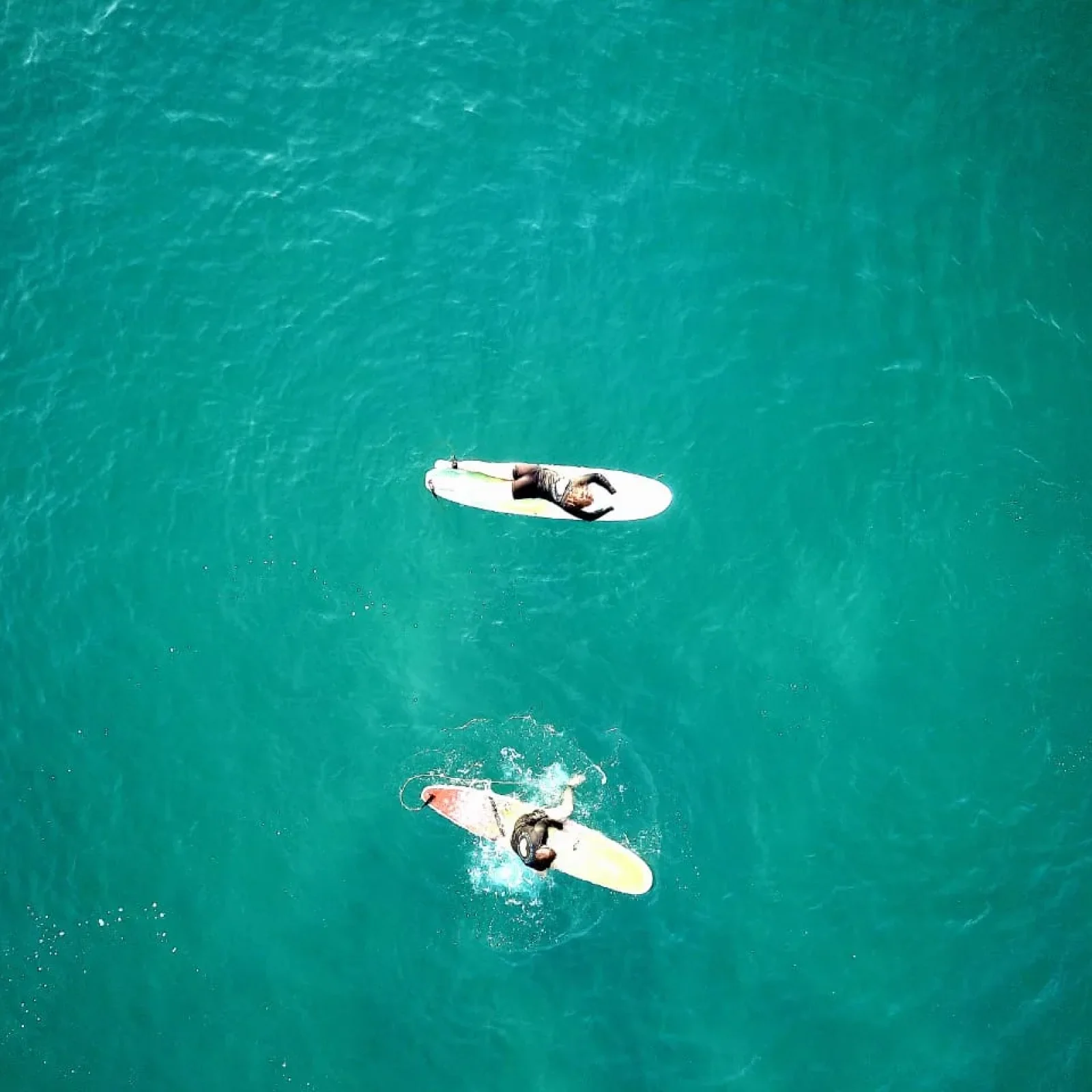
Sri Lanka's east coast surf town. Five named points within 10 kilometres of tuk-tuk: Main Point, Whiskey Point, Peanut Farm, Elephant Rock, Pottuvil Point.
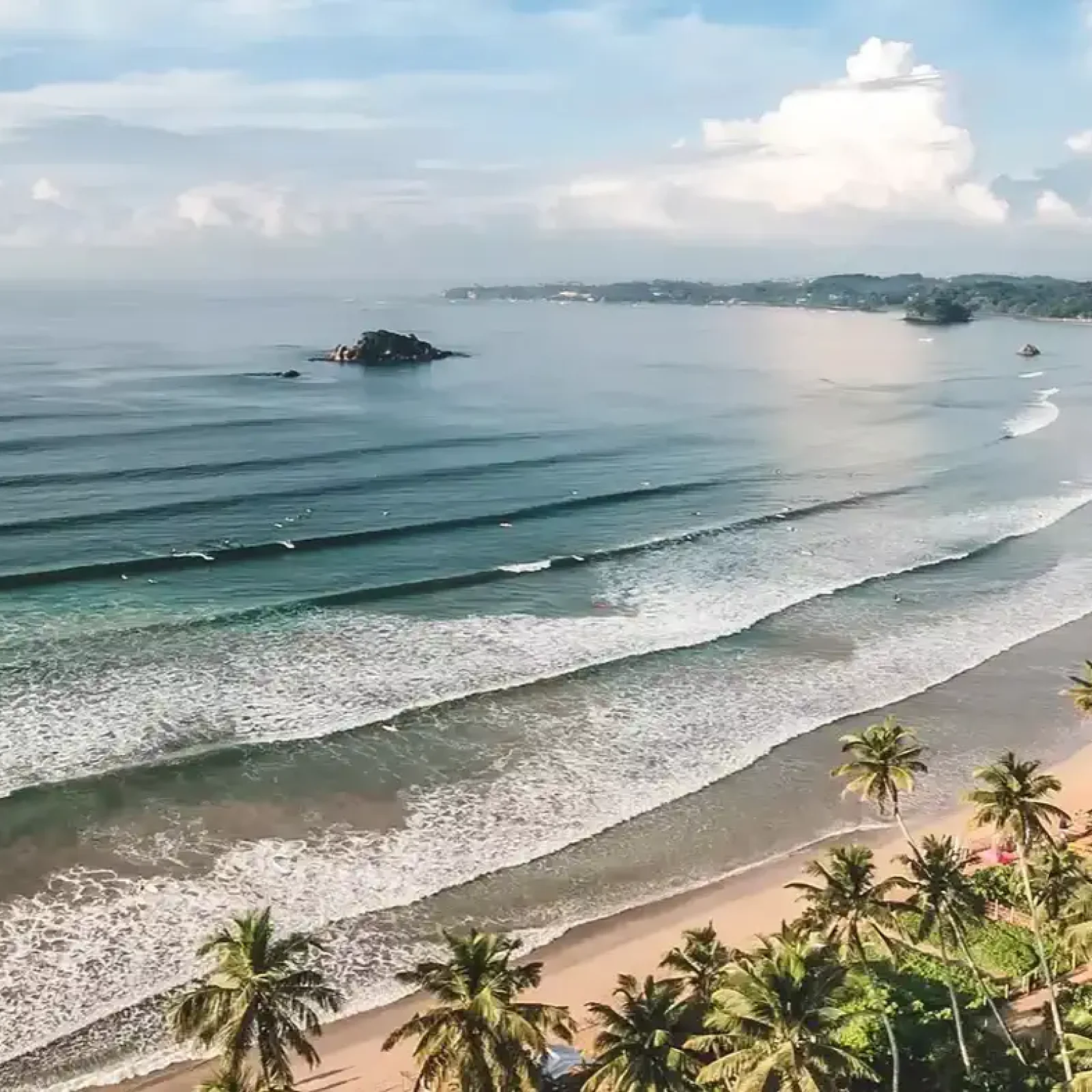
Sri Lanka's south coast surf-school capital. Sandy beach breaks at Kabalana, friendly reef points at Plantations, and a 20-kilometre cluster of named breaks from November to April.
