 By Steeve
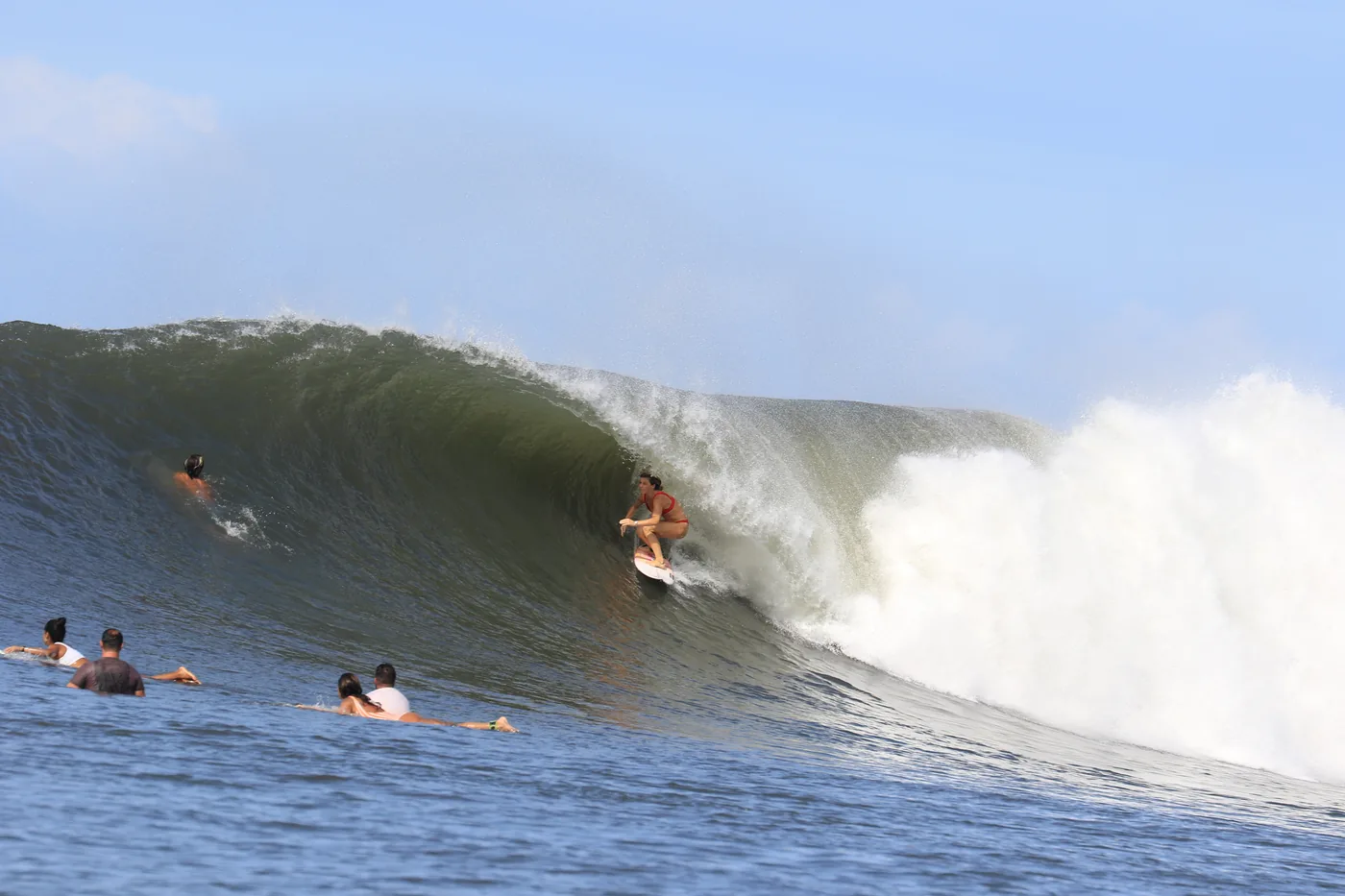
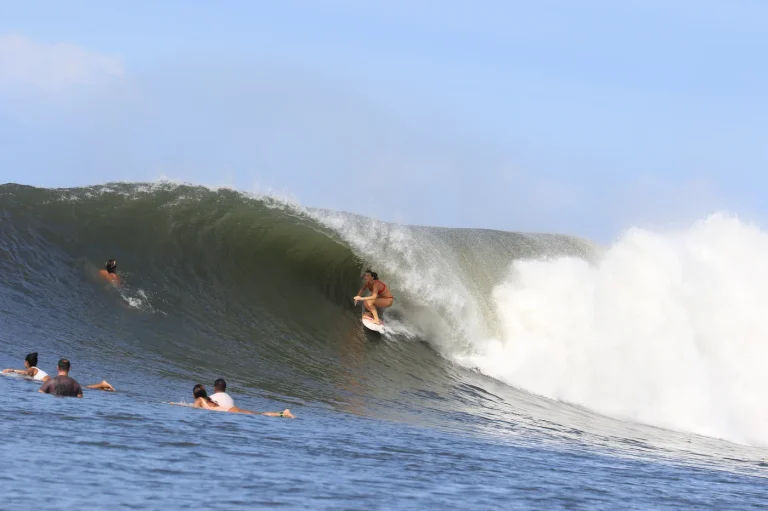
It all starts with the sight of a wave. Whether you’re walking by the sea or scrolling through Instagram, witnessing a perfectly shaped wave makes your body ache. A burning desire to grab your surfboard and jump into the water starts to take place, and the next thing you know, you’re paddling, trying to catch a wave.
One can easily grow tired of the surf spots where they grew up learning, or perhaps many people are now surfing in that favorite spot due to the recent popularity this sport is experiencing. The time has come to discover new horizons, new waves, and new surf traditions. A whole different continent with a unique sea culture can provide you with such a refreshing surfing experience. And there is a country in the northwest of Africa that never fails to deliver.
Morocco’s seascape is rich in diversity; no one surf spot looks like the other. Mainly because the country is facing two seas: the Mediterranean and the Atlantic Ocean. There is an entire culture surrounding surfing there, a nationwide community that lives for the waves and follows them wherever they go.
So, if you’ve been planning on going there, there are a couple of surf trip tips you should consider before packing your surfboard and heading to the airport. So, maybe make yourself a cup of coffee and let me walk you through a checklist that will help you make the most of your surf trip to Morocco.
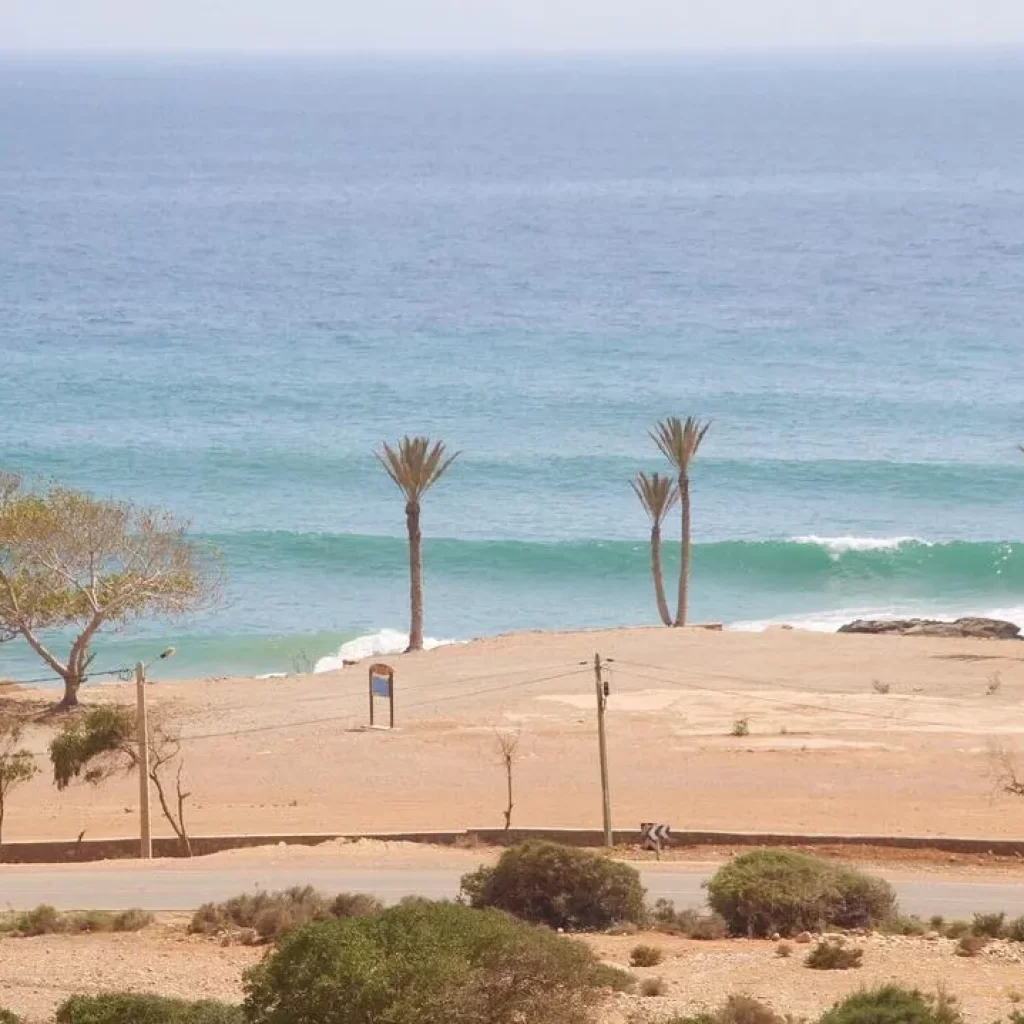
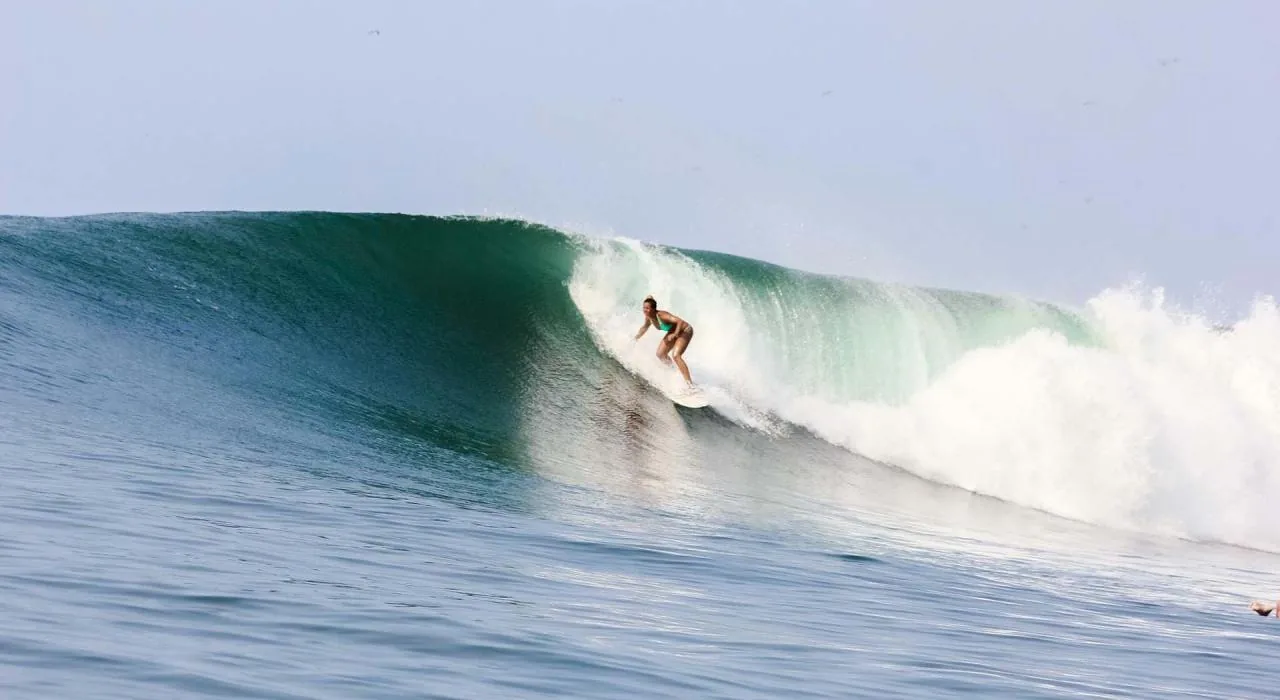
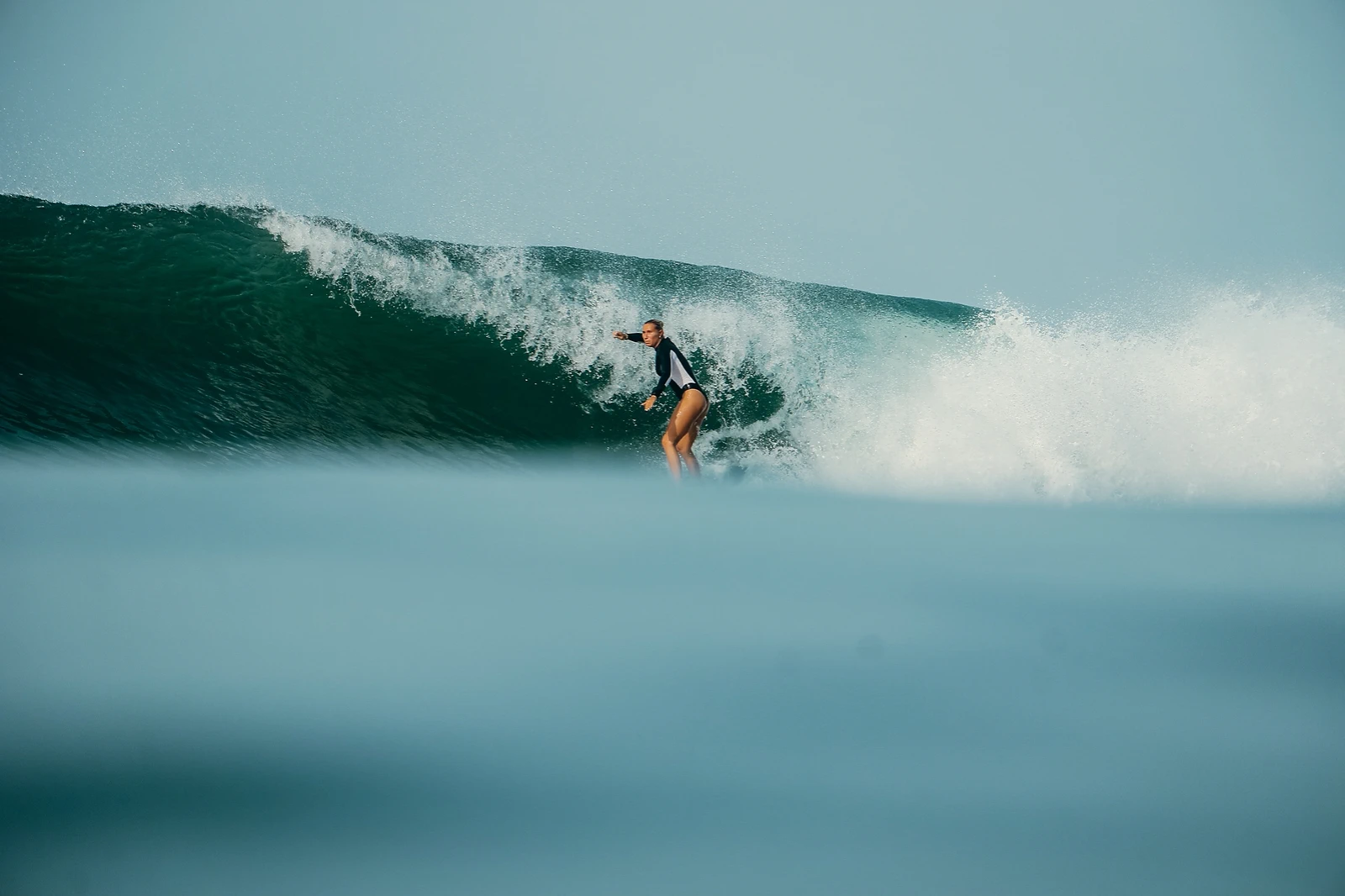
Morocco’s pleasant climate and exposure to North Atlantic swells make it an attractive surfing destination. With its 1,835 kilometers of coastline, it is considered a land of right-hand point breaks, delivering its tastiest waves during fall, winter, and spring. If, however, you only have the opportunity to visit in the summer, then the north might offer you more chances of catching waves.
Morocco’s pleasant climate and exposure to North Atlantic swells make it an attractive surfing destination. With its 1,835 kilometers of coastline, it is considered a land of right-hand point breaks, delivering its tastiest waves during fall, winter, and spring. If, however, you only have the opportunity to visit in the summer, then the north might offer you more chances of catching waves.
Long sandy beaches and high-quality waves make the peninsula of Dakhla an exceptional surf destination. Its unique surf conditions make it ideal for beginners and intermediates, and some find it perfect for Stand-Up Paddle too.
Dakhla can deliver world-class waves that are perfect for both kitesurfing and surfing. It attracts famous riders and hosts world surfing and kitesurfing championships.
Here are some of the most famous spots there:
For Dakhla, consider looking into Dakhla Evasion, a surf school that offers group or individual lessons. Group lessons are cheaper, making them a great choice if you’re traveling alone. The instructors are enthusiastic and well-qualified, and the equipment is in excellent condition.
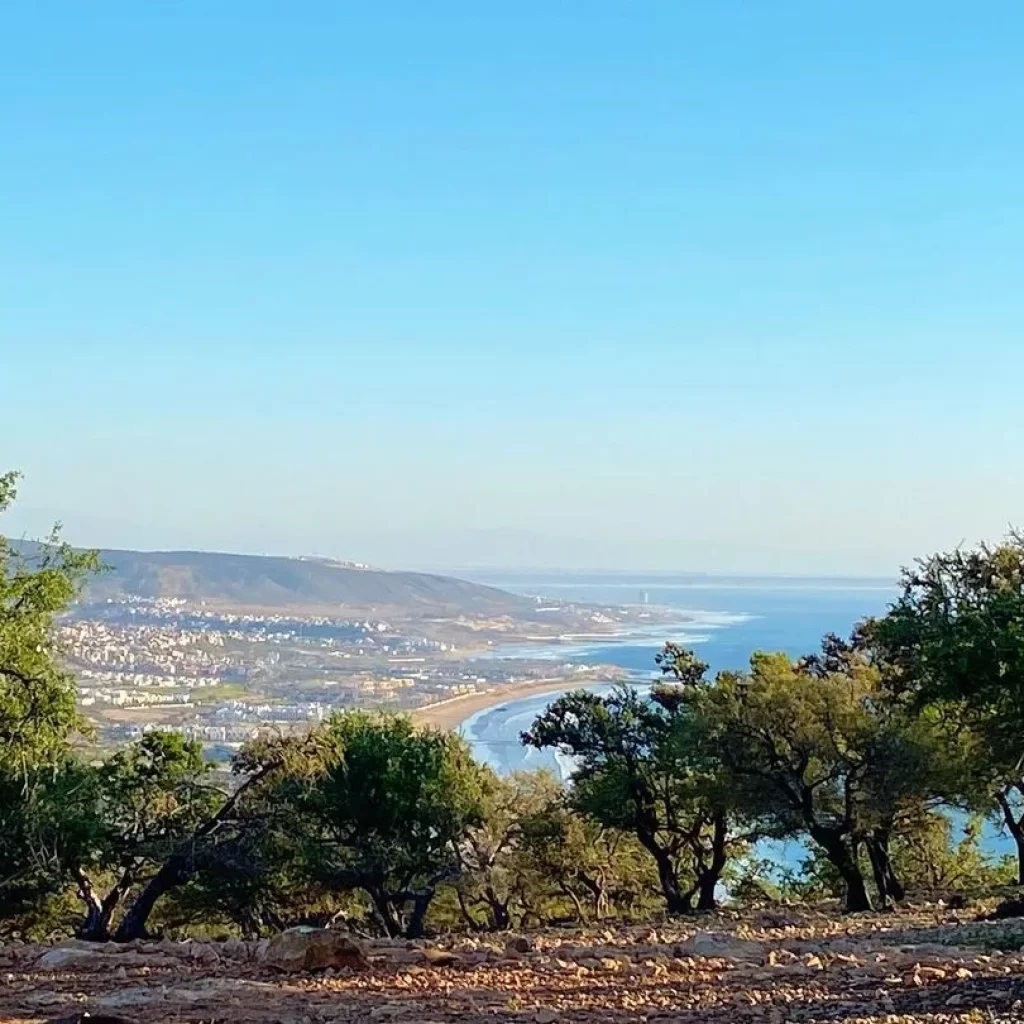
Taghazout is renowned as one of the best places to surf globally. It boasts exceptional right-hand breaks that consistently provide wave after wave. With numerous quality surf spots, it caters to champions and pros seeking the thrill of these waves. Notable spots include:
If you aim to master any of these spots, Amayour Surf & Yoga Camp & Hostel is recommended. Mhand & Shiraz, with over a decade of experience, offer certified instructors and accommodation as part of their surfing package, even organizing yoga retreats.
Don’t miss the opportunity to taste amazing tajines in Aourir after a satisfying morning surf session.
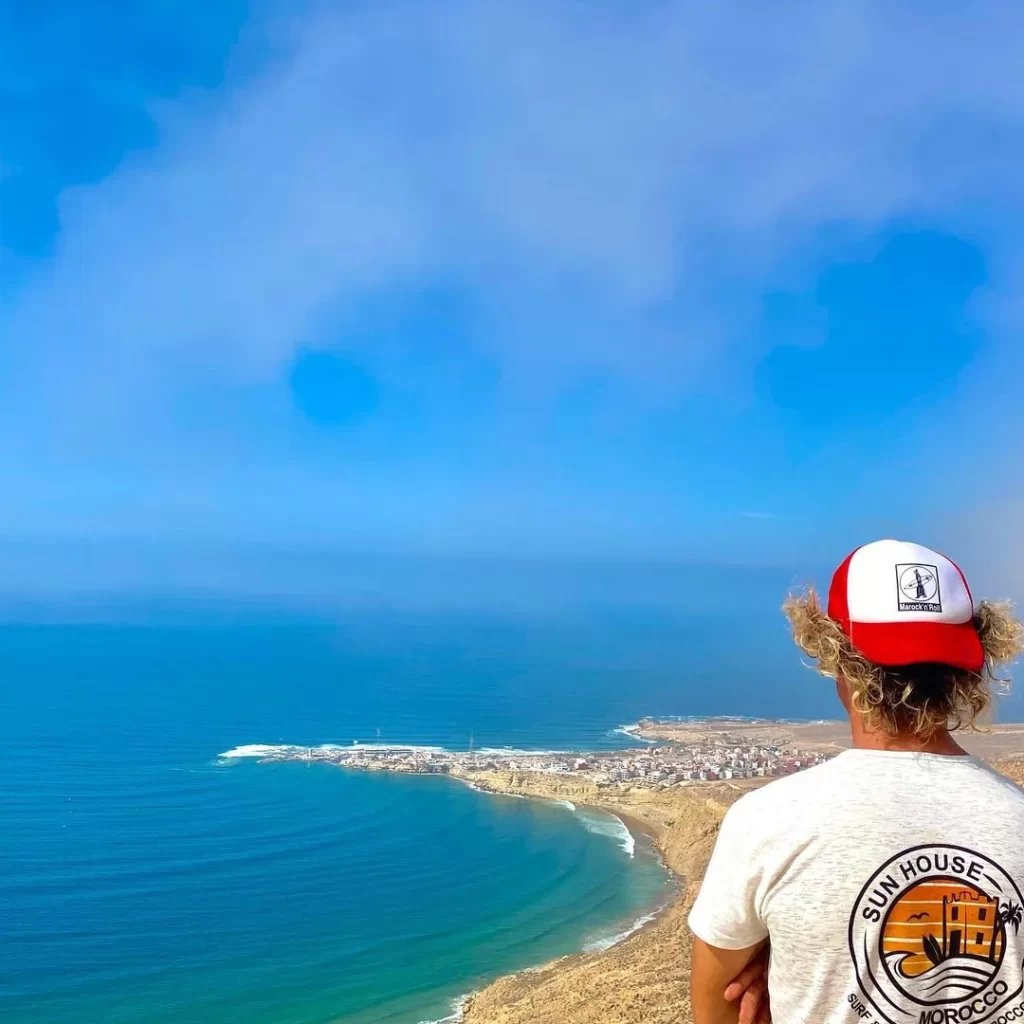
Imessouane, a peaceful old fishing town, offers nearly perfect surfing conditions. It’s rapidly gaining worldwide recognition for its mesmerizing scenery, high-view accommodations, and versatile surf spots that cater to beginners and intermediates. Organizing your travel to Imessouane is advised due to its remote location. Renting a car is essential for easy access.
Once there, you’ll find two main spots. Cathedral offers beach, reef, and point break waves, while the Bay provides point break waves only. Both are suitable for various levels of surfers. Reach out to Bruno and Severine at Tigmi Blue guest house for a welcoming stay.
Known as the windy city, Essaouira is famous for kite surfing conditions. However, decent beginner waves can be found in winter, especially in the southern part of the region when cross-Atlantic winds are strong.
Heading south of the city for about 30 minutes reveals less known surf spots. These waves are decent enough for your session. Prominent spots include:
For mastering these spots, consider Holy Surf Camp, led by Pauline and Houssam, or professional athlete Ismail Adarzane from Mogasurf.
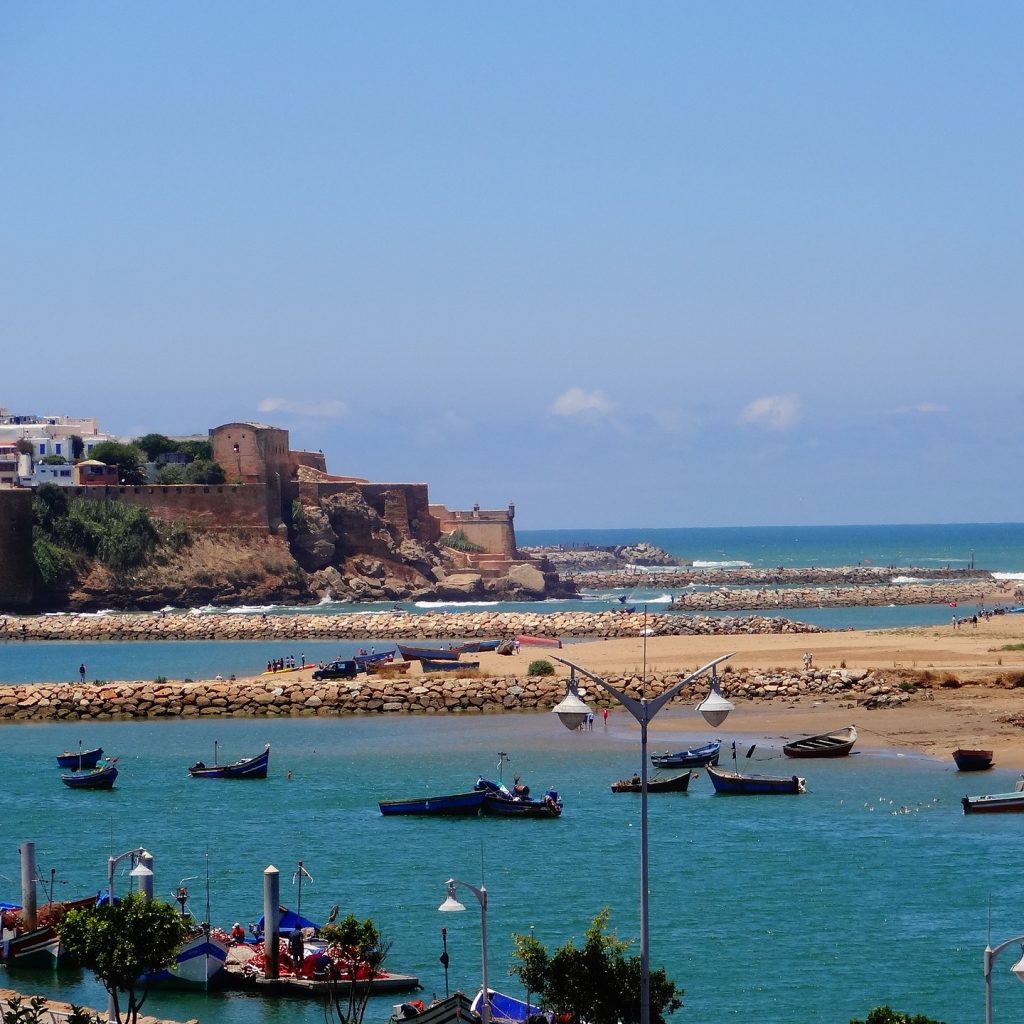
Morocco’s capital, Rabat, holds steady breaks accessible to all levels, surrounded by a unique culture. Surfing season starts in September, peaks in January and February, and offers quality waves in spring. Summer is for kids and beginner surfers. Keep in mind that waves in the northern parts of the country are consistently better during summer.
Even in perfect conditions, it’s recommended to have guidance to understand waves and make the most of your time in water. Consider Rabat Surf School for beginners, where Moroccan surf champion Chadi Lahrioui offers tips. The Youth Association Of Skhirat is ideal for intermediates, while experienced surfers will enjoy Plage des Nations.
Bouznika, located 20 minutes south of Rabat, offers traditional barbecue restaurants and two great surf spots: La Crique and Oued Cherrat. La Crique features right-hand point break waves up to 150m, ideal for intermediates, though caution is needed due to reef underneath. Eden Island at Oued Cherrat is a gentler option for beginners.
LaCrique Surf Shop can help intermediates, while Eden Island Surf Club, managed by Bob, offers lessons in a friendly atmosphere. Beware of currents in Casablanca’s waters.
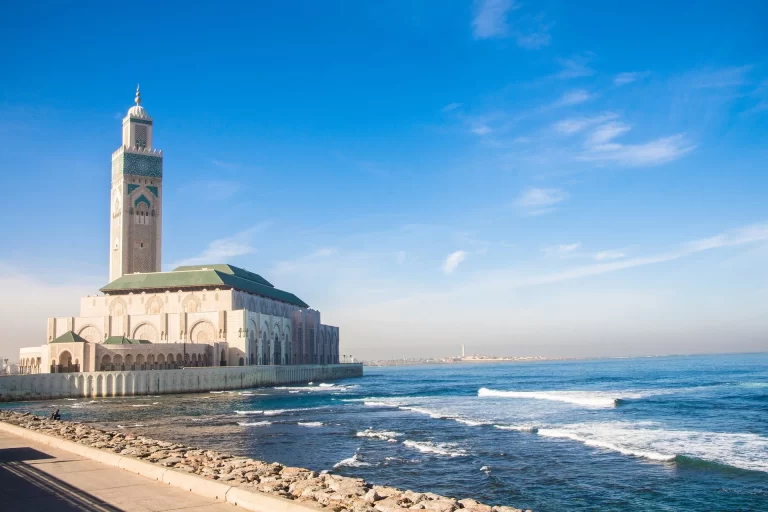
Casa, the economic capital, offers consistent waves. Anfaplace has clean right and left-hand breaks, while Door 15 provides right-hand breaks. Dar Bouazza has consistent surf with waves working all year. Surf schools like Casa Surfhouse offer lessons, while the city’s coast requires vigilance due to water currents.
Mehdia, the birthplace of Moroccan surf culture, offers challenging waves at Charatan for experienced surfers. Other sections offer friendlier waves, and nearby beaches also provide versatile options.
Tangier provides surf spots in both the Mediterranean and Atlantic seas. Cabo Espartel is well-known, and other spots like Sol Achekar and Merkala also offer great waves.
For instruction, Sook Surf School can help you navigate Tangier’s waves.
Remember, each spot comes with unique challenges and experiences. Before hitting the waves, seek local advice and join reputable surf schools to ensure a safe and enjoyable experience.
Not only is Morocco steeped in traditions, but it’s also deeply rooted in religion. Consequently, if not for religious reasons, you might notice the streets sparsely populated due to traditional or work holidays. Taking Ramadan as an example, it could be an intriguing time to visit, as most surf spots tend to be less crowded. Surfing on an empty stomach can be a challenge for Moroccans during this period. However, meticulous trip planning is necessary, as many activities, including shops and restaurants, only operate after sunset. Opting for an all-inclusive package with a surf camp could be a practical solution.
Ensure to consult Morocco’s official calendar, peruse surf forecasts, and inquire among locals to determine the ideal time for your surfing expedition in Morocco.
The best course of action in terms of transportation while traveling in Morocco is to have your own set of wheels. Certain places are not accessible by public transport, and having your own vehicle ensures the safety of your surfboard. You can either bring your car from Portugal or Algeciras, enabling you to explore the coast and its surf spots from north to south. Alternatively, you can secure a rental car for approximately $40 USD per day through a car agency. Even better deals can be arranged in conjunction with your airline. Some travelers opt for all-inclusive plans that encompass airport pickup and transportation throughout the trip, which often comes at a lower overall cost.
When selecting a location in Morocco, don’t restrict your lodging search to just interior décor considerations. Also, assess the proximity of essential amenities. Is there a nearby supermarket? Can you easily find a taxi? Does the area primarily consist of tourists or locals? Most importantly, is it close to the surf spots you intend to experience?
In case you’re questioning the significance of these queries, here are the answers:
This brings us to our next point…
In terms of transportation, most public modes are generally safe. However, it’s important to acknowledge certain system shortcomings. For instance, taxi drivers occasionally overcharge or act dishonestly, and bus conditions might be less than ideal. The main takeaway is that while you can travel from point A to point B securely, comfort might be compromised. We’ll delve deeper into this later.
Some surf camps, such as Souk to Surf in Taghazout, offer private transportation from the airport to their hostel when you stay with them. They provide reasonable rates, quality vehicles, and exceptional customer service. As these surf camps specialize in transportation for surfers, they handle your equipment with care during the journey.
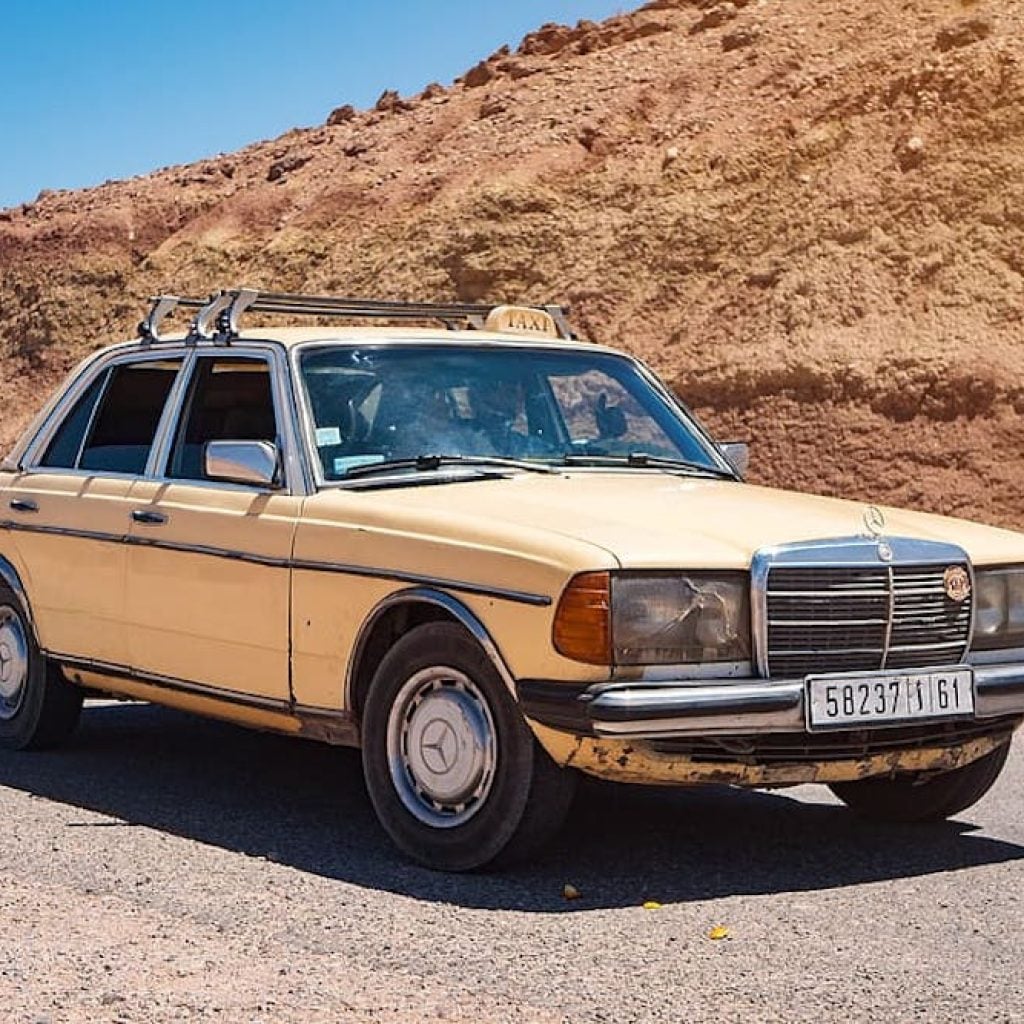
Now, let’s dig into transportation in detail. From open engine hoods on buses to vehicles that vibrate when you hop into a cab, the majority of transportation options still offer average comfort. In larger cities like Casablanca, Rabat, or Tangier, things have progressed, and you can find transport quality akin to that in Europe, most of the time, at least. However, Morocco is still dotted with more towns and villages than cities, and transportation in these areas can sometimes feel unconventional.
To navigate public transportation effectively, it’s wise to take matters into your own hands. Research how things operate and seek advice from locals. Consider the following tips as examples:
As evident, the key approach is to inquire with locals before embarking on any mode of transportation. Locals can offer insights into the most cost-effective and secure routes to reach your destination.
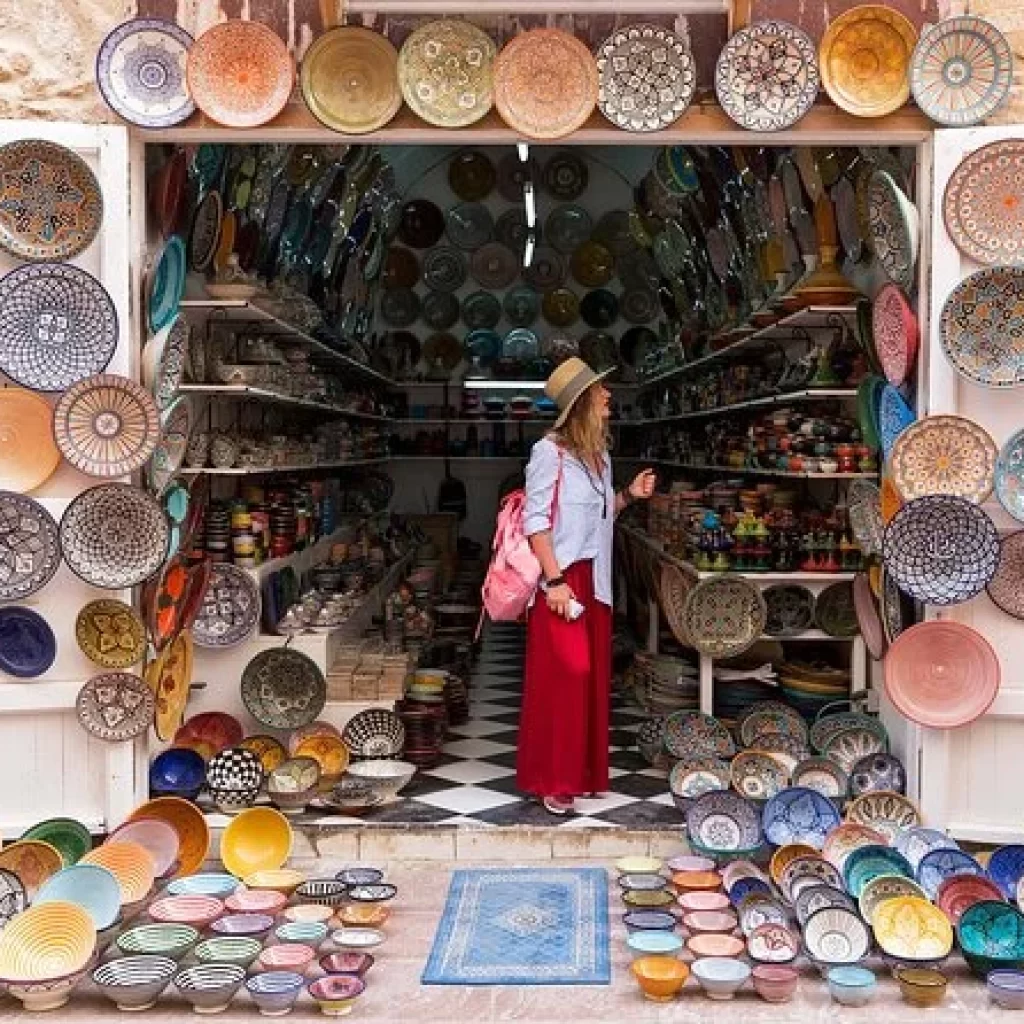
In Morocco, every merchant’s marketing centers around presenting their goods as the finest you’ll ever come across. While this might hold true for artisanal products at times, it’s not always the case. That’s why it’s crucial to engage in comparisons between different stores and consistently cross-reference with a local whether the quality of your intended purchase is indeed good, and whether you can secure a better deal elsewhere. It’s imperative that this local is someone you trust; otherwise, there’s a chance they might be collaborating with the seller.
Here’s a valuable tip: When it’s time for shopping, consider bringing along your local friends. As you enter a shop, you’ll immediately notice the seller’s disappointment. When they see a local Moroccan accompanying you, they realize that attempting to overcharge won’t be effective.
Safety in Morocco is a matter of subjectivity, and the intention here isn’t to use the word “subjective” metaphorically for the sake of an original title. Rather, it truly depends on individual perception. When you journey to Morocco, you’re likely to sense a reassuring police presence that contributes to your overall sense of security. This is indeed accurate; however, the predominant purpose of this police presence, especially in cities like Marrakech or Agadir, is primarily to ensure the well-being of visitors.
Tourists typically enjoy a high level of safety in Morocco, owing to diplomatic pressures and the strategic role that tourism plays in the nation’s economy. These pressures lead to exceptionally robust security measures and vigilant monitoring for your protection.
In essence, if you come across rumors of violence or theft, it’s curiously observed that such incidents tend to disproportionately involve Moroccans. Yet, should anything transpire involving tourists, significant forces quickly intervene, often leading to swift resolution of the situation. Some might even describe these outcomes as truly miraculous.
Here are some of the most challenging situations you might find yourself in:
And there you have it, fellow water enthusiasts! We genuinely believe that by adhering to this straightforward guide, you’ll embark on a smooth and enjoyable surfing adventure in Morocco. Never forget the golden rule, a principle applicable anywhere in the world: Make local friends! They’ll reveal the intricacies of their country and guide you towards the best experiences at the most reasonable prices.

 Français
 English
  Deutsch
  Español
  Italiano