 By Steeve
Punta Roca is El Salvador’s world-class right-hand point break, and the country’s most internationally famous wave. A fast, hollow right that wraps around a lava reef in La Libertad town, holds size from chest to overhead-plus, and has been on the Surfline travel-zones map for thirty years. If you are an intermediate-plus surfer planning a trip to El Salvador, Punta Roca is probably on your list. Here is what to expect, when it works, the skill bar, and how to actually surf it — because unlike Las Flores or Punta Mango, Punta Roca has no dedicated Waverick partner at the wave itself.
This is the honest guide. Wave shape, season, where to base yourself, what to bring, and the realistic skill requirement. No marketing fluff, no “world-class” filler that does not tell you what to expect when you paddle out.
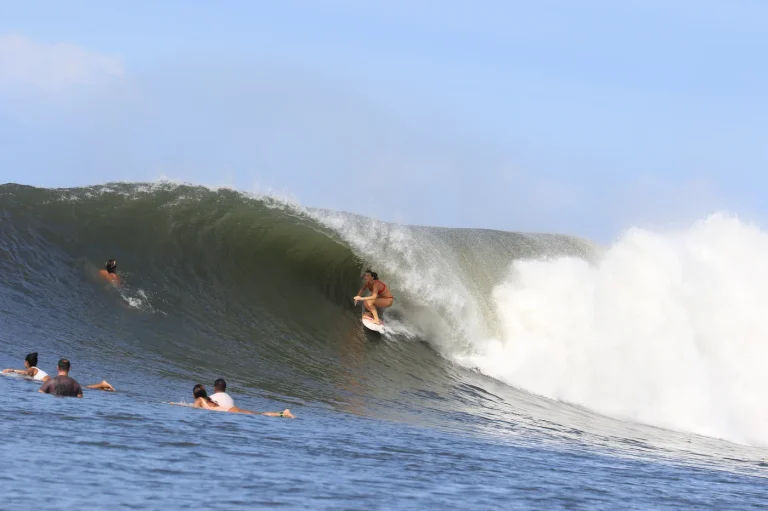
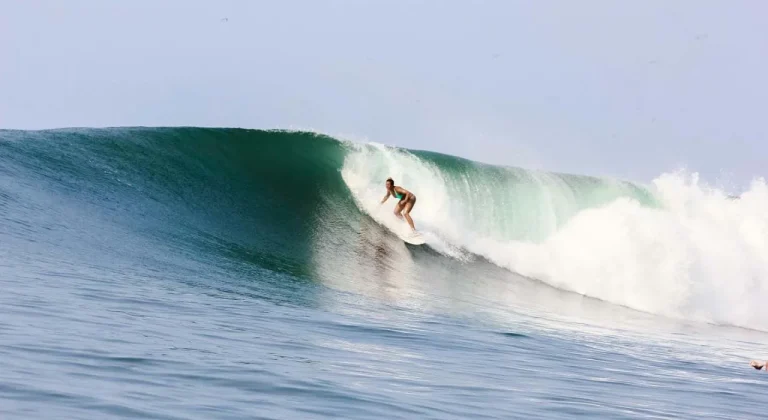
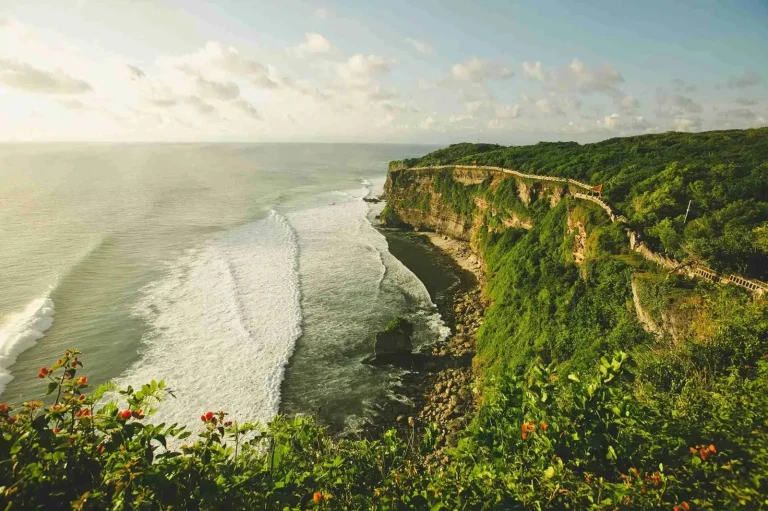
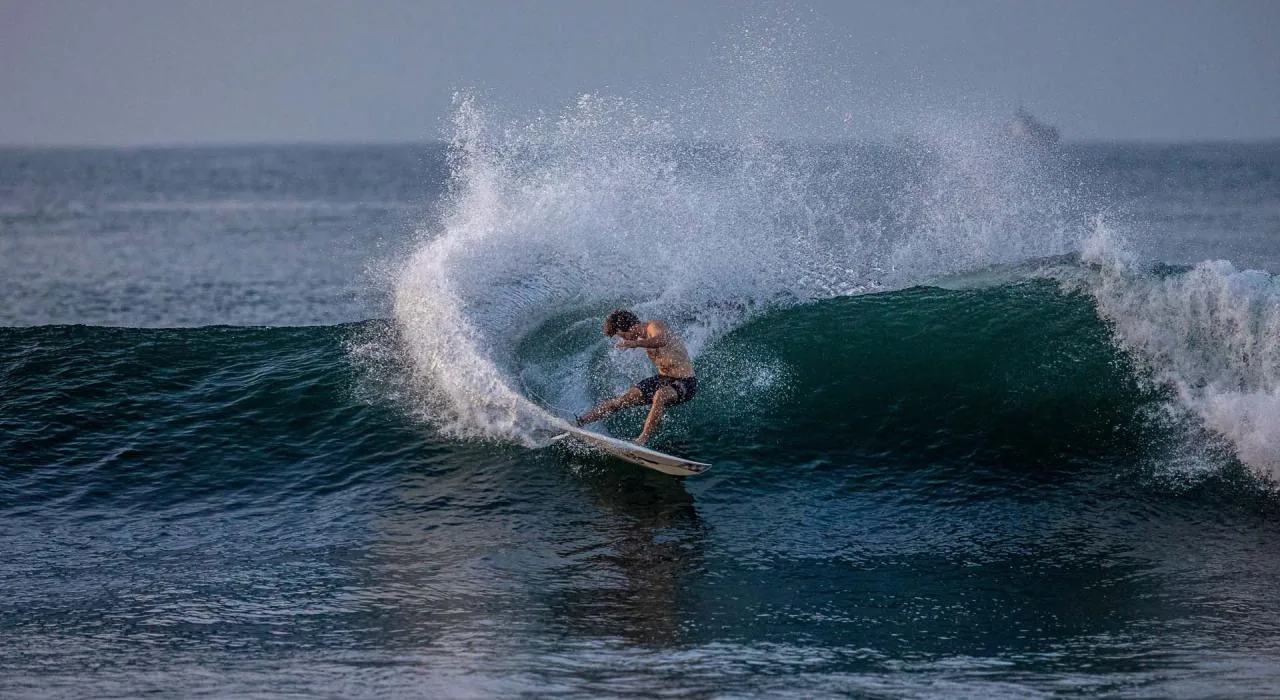
Punta Roca breaks at the eastern edge of La Libertad town, where a low headland of lava reef juts into the Pacific. South-west swell wraps around the point and hits a take-off zone over shallow reef. The take-off is fast and steep, the wall holds shape from take-off through a series of three sections (outside, middle, and inside), and on the right swell the inside section barrels. A solid day produces 200-400 metre rides; on smaller swells you get shorter but still high-quality lines from the middle section.
| Detail | Punta Roca |
|---|---|
| Type | Right-hand point break |
| Bottom | Lava reef |
| Best swell | South to south-west groundswell |
| Best wind | North-east offshore (morning trades) |
| Best tide | Mid to high |
| Wave length | 200-400m on solid days |
| Take-off | Fast, steep, over reef |
| Skill level | Confident intermediate and up; comfortable on overhead reef |
At its best — solid south-west groundswell, light north-east offshore, mid-to-high tide — Punta Roca delivers shoulder-to-overhead lines that can run the full length of the point. Sets come in groups of three to five; the channel between sections lets you paddle back without too much trouble once you know the wave. On smaller days the wave is shorter but still quality; on larger swells the outside section becomes serious and the inside section barrels over the shallowest part of the reef.
Same southern-hemisphere groundswell window as the rest of El Salvador’s Pacific coast, but more selective than El Sunzal up the road. Peak season is May through September — bigger swells, more consistent overhead sets, the most reliable wave count of the year. April and October are excellent shoulder months. From November through March, Punta Roca still breaks but more occasionally; smaller dry-season swells produce ridable but shorter sessions, and you may find better waves up at El Sunzal during the deepest dry-season weeks.
For a full month-by-month breakdown including water temperature, wind and crowd, see our When to surf El Salvador guide.
April through June. The first solid south swells of the year are filling in, water sits around 27-28 degrees (cool enough to be refreshing in the take-off zone), mornings are reliably offshore, and the peak-summer Northern Hemisphere crowd has not yet arrived. The wave is consistent and the lineup is manageable — sometimes the best of both worlds.
Punta Roca sits at the eastern end of La Libertad town, about 30 minutes from San Salvador International Airport (SAL) by road. There is no boat access required — you walk down a marked path from town to the take-off zone, paddle out across the channel, and you are at the point. La Libertad itself is the country’s main surfing town with restaurants, hostels, and surf shops; in the morning the road into town fills with surfers walking down to the wave with boards under their arms.
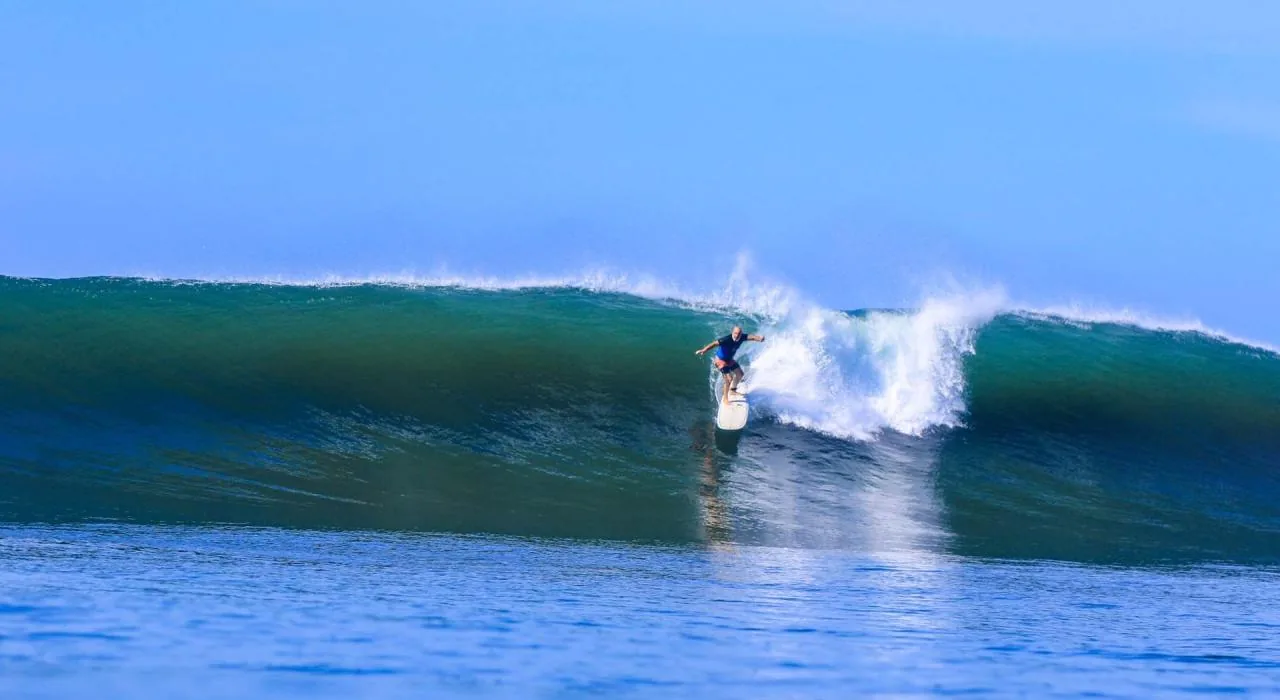
Punta Roca does not have a dedicated Waverick partner directly at the wave. The lineup is small and the local accommodation scene is built around independent surf hostels in La Libertad town itself rather than dedicated all-inclusive camps. There are two practical options.
El Sunzal is twenty minutes north of Punta Roca on the same coast. Laola Surf Camp El Sunzal is the closest Waverick-verified base if you want a real surf-camp setup (coaching, breakfast included, airport transfer, board hire) and are willing to drive 20 minutes south on the days Punta Roca is working. Most Punta Roca-focused weeks operate this way: base at El Sunzal, surf the inside reform there on small days, drive down to Punta Roca on solid south-swell days.
The alternative is to base independently in La Libertad town. Several hotels, hostels and short-term rentals operate within five minutes’ walk of the wave. None match the structured surf-camp experience of Laola, but they put you closer to the lineup and let you score early morning sessions before the day-trip crowd arrives. AST Surf Hotel and Punta Roca Surf Resort are two of the better-known independent properties; neither is currently a Waverick partner.
The honest numbers:
If you are basing yourself in La Libertad or El Sunzal for Punta Roca, the immediate coast has several alternatives for off-days, smaller swells, or when the crowd gets thick.
Punta Roca is a sharp lava reef. Mistakes hurt. Bring booties unless you are very comfortable on reef. Bring a leash you trust (12-foot or longer for overhead days). Bring a step-up for the bigger swells; a daily-driver thruster is not the right board on a 6-foot day at Punta Roca.
The local crowd at Punta Roca is well-established and includes a number of competitive surfers who use the wave for training. The take-off zone has a clear pecking order. The first few sessions, paddle out, sit on the shoulder, watch how the locals queue at the peak, and only push for sets when there is space. Earn position by reading the lineup, not by paddling past people. This is one of the most well-policed local lineups in Central America — be courteous and you will be fine; be a snake and you will hear about it.
Crowd reality: peak season weekends can see 30-40 people in the water. Weekday mornings are usually quieter. On a solid south swell with offshore wind, expect a queue at the peak; on smaller days the lineup spreads down the point and there is room for everyone.
Country safety: the La Libertad coast has been the focus of national tourism investment since 2021 and has a strong police presence. Surf travellers from Europe, the US, Canada and Australia visit year-round without incident. Standard Central America common sense applies for valuables and night transport.
No. The take-off is fast, the bottom is shallow lava reef, the local crowd does not have patience for someone learning, and the consequences of a fall are real. If you are a beginner and want to surf El Salvador, El Sunzal is the answer — long, forgiving, sandy inside reform. See our El Salvador for beginners guide.
Different waves for different surfers. El Sunzal is a slow, peeling right-hand point with a sandy inside — friendly, forgiving, year-round. Punta Roca is a fast, hollow right-hand point with a reef bottom — selective, consequential, intermediate-plus only. Most surfers visiting the La Libertad coast for the first time split their week: a few sessions at Punta Roca on the days it is working, and the rest at El Sunzal as the daily go-to wave.
Both are world-class reef-bottom right-hand points. Punta Roca is on the La Libertad coast, easy to reach from San Salvador airport, walkable from the village, and produces a longer wave on the best days. Punta Mango is on the east coast, only reachable by boat, breaks heavier on shorter rides, and is less crowded. Many advanced surfers split a longer trip between both: a week on the La Libertad coast for Punta Roca plus El Sunzal, then a week at Punta Mango Surf Resort in the east.
May through September for the biggest, most consistent south swells. April and October are excellent shoulder months. November through March still produces ridable waves on the right swells, but more selectively — the wave goes flat in the deepest dry-season weeks.
Crowded compared to Las Flores or Punta Mango on the east coast; about average for a famous world-class wave. Peak-season weekends can see 30-40 surfers in the lineup; weekday mornings are usually quieter. The take-off zone has a clear local pecking order — be patient, read the lineup, and you will get waves.
Not directly at the wave. The closest Waverick-verified base is Laola Surf Camp El Sunzal, 20 minutes north on the same coast. Most Punta Roca-focused weeks operate this way: base at Laola for the structured surf-camp setup (coaching, breakfast, transfers, board hire) and drive down to Punta Roca on the days the wave is working.
A standard 5’10”-6’4″ thruster handles most days. For overhead-plus swells, bring a step-up — 6’2″-6’8″ with more volume. Avoid a fish or longboard as your only board; the wave is too fast and the take-off too steep for those shapes. A longboard works on small dry-season days if Punta Roca is the only wave you are willing to surf. Local shops in La Libertad rent boards if you do not want to travel with a quiver.
Punta Roca is best as one wave in a multi-wave trip rather than the whole trip itself. The wave does not break every day, and even on the days it does, you will not surf it for eight hours straight — the reef, the crowd, and the intensity of the take-off zone all conspire against marathon sessions. A typical week pairs Punta Roca on solid-swell days with El Sunzal as the daily go-to, plus optional east-coast days at Las Flores or Punta Mango if you have the time and budget.
For a surf-camp base near the La Libertad coast, Laola Surf Camp El Sunzal is the only Waverick-verified option, 20 minutes from the wave. For more independent setups, La Libertad town has hostels and hotels within walking distance of the lineup.

 English
 Français
  Deutsch
  Español
  Italiano