 By Steeve
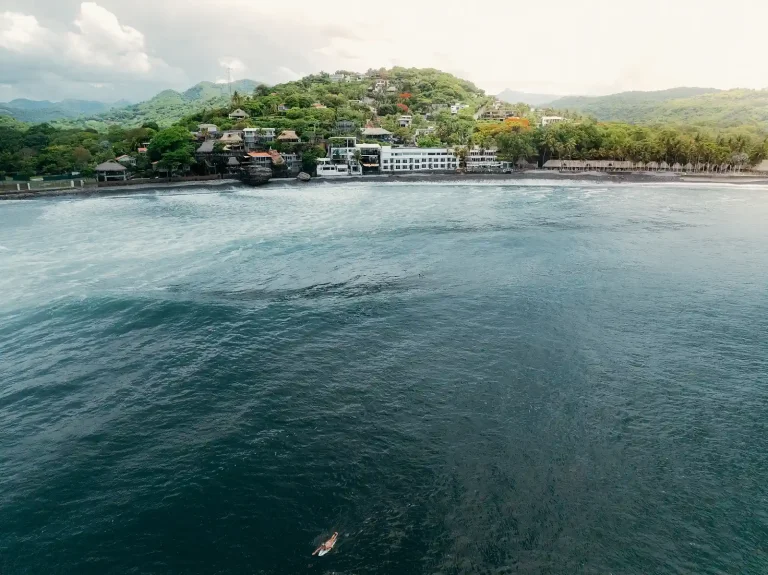
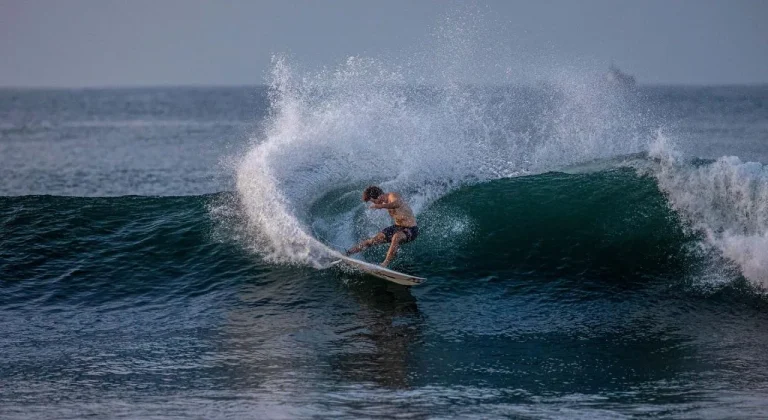
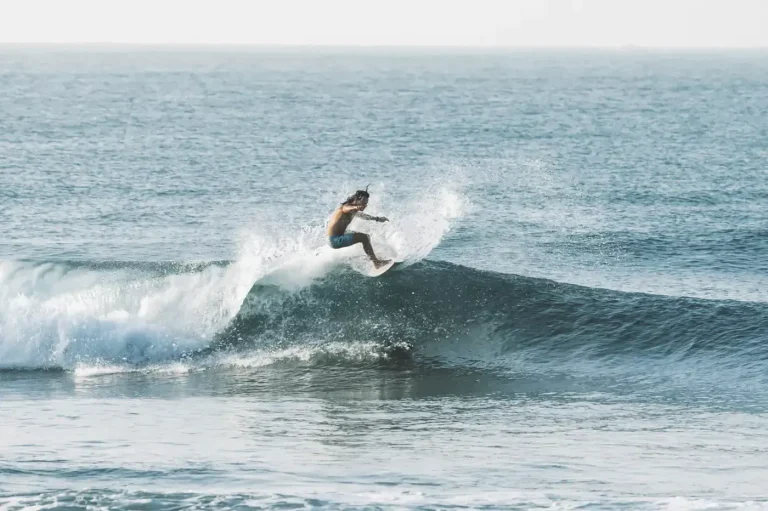
El Salvador’s prime surf season runs April through October. South and south-west groundswells from the deep Pacific deliver consistent shoulder-to-overhead lines on the country’s right-hand point breaks (Punta Roca, El Sunzal, Las Flores, Punta Mango), water sits between 27 and 29 degrees, and offshore mornings are the norm. The sweet spot most travel guides miss is March and April: the first clean swells of the year, water still cool, and a fraction of the peak-summer crowds.
Here is the honest month-by-month breakdown. Sourced from real partner observations, Surfline historicals, and what actually happens when you book a week and turn up.
| You are | Best window | Why |
|---|---|---|
| Total beginner | December to February | Smallest waves of the year, glassy mornings, El Sunzal inside stays at chest height |
| Confident learner / improver | March to April | First south swells arriving, water still cool, low crowd, ideal progression weeks |
| Solid intermediate | May to June | Waves on, water warming, mornings still consistently clean |
| Advanced charger | June to September | Peak swell, peak crowd at Punta Roca, more rain but mornings glassy |
| Surf trip with zero rain | November to April | Dry season — clean morning weather, smaller but consistent waves |
| First-time surf trip with kids | December to February | Dry, warm, calm water at El Sunzal inside, easier logistics |
Every month works — that is part of why El Salvador beats Costa Rica for a flexible trip — but each window has its own character.
| Month | Wave size | Water | Rain | Crowd | Best for |
|---|---|---|---|---|---|
| January | Waist to chest | 27 °C | None | Low | Pure learners, family trips |
| February | Chest | 27 °C | None | Low | Pure learners, intermediates wanting glass |
| March | Chest to shoulder | 27 °C | None | Low | Improvers, sweet-spot trips |
| April | Shoulder | 28 °C | Light first showers | Building | Improvers, intermediates, the all-rounder month |
| May | Shoulder to head | 28 °C | Afternoon showers | Moderate | Intermediates, first swell peak |
| June | Head plus | 28 °C | Daily afternoon rain | High | Strong intermediates and up |
| July | Head plus | 29 °C | Daily afternoon rain | Peak | Advanced, US summer travellers |
| August | Overhead | 29 °C | Daily afternoon rain | Peak | Advanced, peak power |
| September | Overhead | 29 °C | Heaviest of the year | Still high | Advanced, biggest sets, quieter than July |
| October | Shoulder to head | 28 °C | Tapering off | Dropping | Intermediates, end-of-season power without the crowd |
| November | Shoulder | 28 °C | Mostly dry | Low | All levels — the underrated month |
| December | Waist to chest | 27 °C | None | Very low | Beginners, families, dry-season starters |
The first thing to understand is that El Salvador gets surf year-round. Southern-hemisphere groundswells deliver clean Pacific lines every month of the calendar. There is no off-season the way Morocco’s summer or Bali’s wet season is genuinely flat. What changes is the size of the swell, the weather above the water, and the crowd.
Dry season (November to April). Smaller waves, sunny morning weather, glassy water before lunch thanks to light offshore winds. December and January are the smallest months of the year and the most reliable for first-time learners. By March, the first south swells of the year are arriving, the inside reform at El Sunzal lights up, and you start to see shoulder-high lines on the points. Crowds remain low until April.
Wet season (May to October). Bigger Pacific groundswells (south to south-west), warmer water, and afternoon convective rain. The myth most travel guides repeat is that wet season is too rainy to surf. It is not. The rain falls in the afternoon — short, intense, almost always 1pm to 5pm. Mornings are still clean and glassy. The biggest swells of the year roll in between June and September, and the country’s most famous waves (Punta Roca, Punta Mango) are at their peak then.
“El Salvador is too rainy in summer” is wrong. Rain falls almost exclusively in the afternoon. Surf at 6am, eat breakfast, surf again at 8am, take a lunch break and a nap, and you are usually back in the water by 4pm or 5pm. The wet season delivers the biggest, cleanest swells of the year.
El Salvador sits on the Pacific coast of Central America, on the opposite side from the Atlantic and Caribbean hurricane belt. Atlantic hurricanes do not affect the Pacific coast directly. What can affect El Salvador is the rare Eastern Pacific tropical storm — these are infrequent (less than one per year on average reaches the coast) and are weather events rather than ocean closures. Tropical Storm Pilar in late October 2023 was the most recent disruption.
The far-south Pacific storms that deliver the country’s south-west swells are thousands of kilometres away. You get the waves they make without the weather they cause.
Wind is the single biggest variable for surf quality after swell size. Three patterns are worth knowing.
November to April (dry season). North-east trade winds push offshore on the country’s right-hand points (Punta Roca, El Sunzal, K59, Las Flores). Mornings are glassy. By 11am the wind starts to pick up and can go side-onshore by 1pm. Surf early, eat late.
May to September (wet season). Lighter wind overall. Most mornings are still offshore or glassy until 10am. After that the sea breeze pushes onshore for the afternoon, then drops off again at sunset.
October (transition). The most variable wind month. Mornings can be glassy or already onshore depending on how the wet-season pattern is unwinding. Worth checking the live forecast the day before, every day.
If a Waverick partner had to pick eight weeks of the year to surf El Salvador, it would be early April to early June. Here is why.
The first south-west swells of the year arrive in mid-March, peak in May and June. Water has not warmed to its July-August peak yet, so it sits around 27 to 28 degrees — comfortable but not bathwater. Afternoon rain has not really started. The Northern Hemisphere summer holiday crowd has not arrived. Punta Roca is rideable without the wait, El Sunzal has working size every day, and K59 is empty more often than not.
If you can only plan one trip and have flexibility on dates, aim for the second half of April or the first three weeks of May. You get most of the upside of peak season with almost none of the downside.
Different spots peak at different times.
There is no truly bad month. But the two windows we would steer clear of for first trips are late September and early October.
Late September has the heaviest rain of the year and the biggest, most consequence-laden swells. Beautiful for advanced surfers chasing barrel weeks, intimidating for everyone else. Early October is the wind transition — quality is the most variable of the year, swell is still big, and you can get a week of side-onshore conditions that nothing in the rest of the year produces. If you are travelling without flexibility, skip both windows.
April for the all-round sweet spot: first solid south swells arriving, water still cool, dry, low crowds. May for the first peak month. December to February for guaranteed-easy beginner weeks. June to September for the biggest, heaviest swells but also peak crowd and peak rain.
Crowded at the famous spots (Punta Roca, El Sunzal main peak) from June through September. Significantly less crowded everywhere from November through April. K59, La Bocana, Boquita and the east-coast spots (Las Flores, Punta Mango) stay relatively quiet year-round compared to the La Libertad headline waves.
El Salvador has the better long right-hand point breaks and a more compact coastline — you can surf five spots in one day. Costa Rica has more variety (beach breaks, point breaks, two coasts) and a more developed surf-camp scene. For pure point-break weeks and a tighter trip, El Salvador wins. For variety and a more polished tourism setup, Costa Rica wins. Prices in El Salvador are typically 20 to 30 percent lower.
Yes. January delivers waist-to-chest waves at El Sunzal almost every day, glassy mornings, dry sunny weather and water at around 27 degrees. It is one of the best months for total beginners and family surf trips. Punta Roca usually does not break in January because the dominant swell window has not opened yet.
No. Wet-season rain is almost entirely afternoon and evening — short, intense convective showers between 1pm and 5pm. Mornings are usually clean and glassy. You surf in the morning, do other things during the rain, and often surf again at sunset. June through September has the most rain; April, May and October have only occasional showers.
Atlantic hurricanes never reach El Salvador — the country is on the Pacific side of Central America. Eastern Pacific tropical storms can occasionally affect the coast, mainly in September and October, but most years pass without one making landfall. The far-south Pacific groundswells that produce most of the country’s surf come from storms thousands of kilometres away and pose no weather risk to the coast.
December, January or February. The dry season delivers consistently small, clean, friendly conditions at El Sunzal. Mornings are reliably glassy. There is enough swell to keep the inside reform working all week, but rarely too much. For a deeper beginner-specific guide, see our El Salvador surf for beginners piece.
Once you have picked the month, the next decision is the camp. The Waverick El Salvador directory lists verified surf camps with real prices and what is genuinely included in each package. December through February books one to two months ahead. April through September books two to four months ahead — peak weeks (July and August) can be sold out four months out.

 English
 Français
  Deutsch
  Español
  Italiano