 English
 Français
  Deutsch
  Español
  Italiano
 Surfing El Salvador for Beginners
Where to learn, lesson prices, safety, and seven beginner-friendly waves.
Read guide

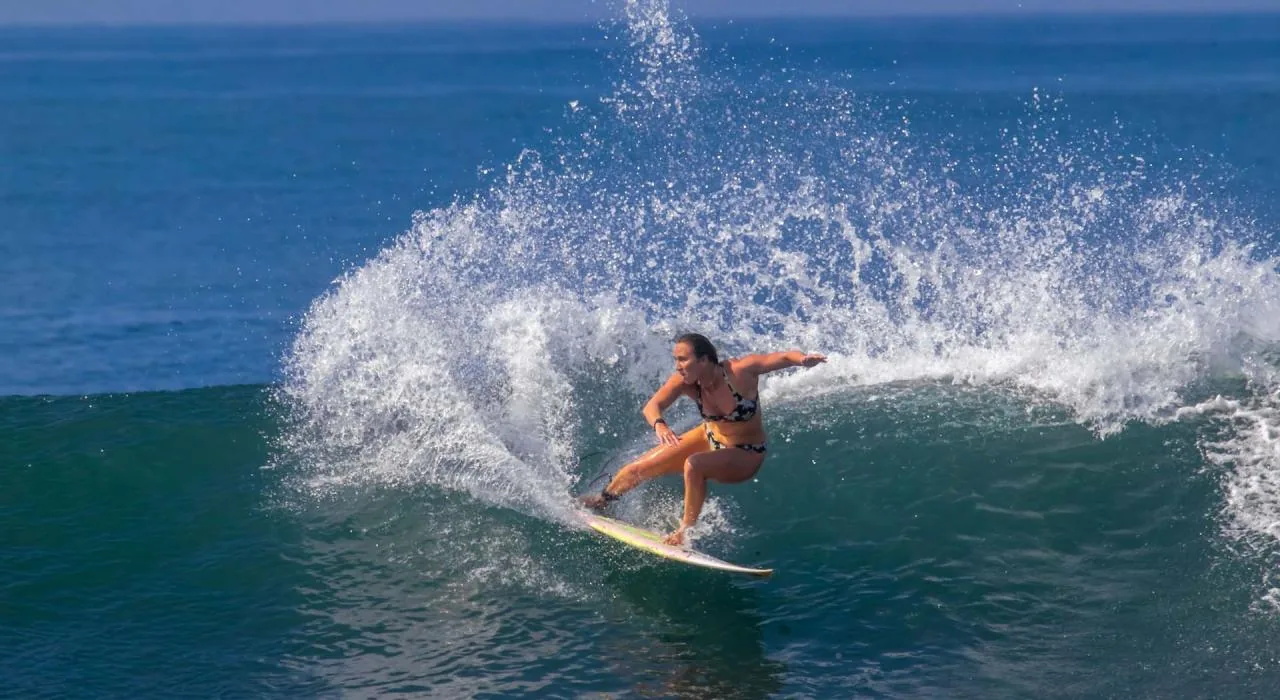
El Tunco is the social capital of Salvadoran surf, a 30-minute drive from San Salvador airport. La Bocana, the local rivermouth, is the punchiest wave on the coast: a fast left and a hollow right that draw the better surfers in the area.
El Tunco is the social capital of Salvadoran surf, a 30-minute drive from San Salvador airport. La Bocana, the local rivermouth, is the punchiest wave on the coast: a fast left and a hollow right that draw the better surfers in the area. The village around it is full of restaurants, surf shops, and a steady evening crowd.
Bring a shortboard for La Bocana. For the gentler wave at El Sunzal next door, the village is the most convenient base in El Salvador.
Where the SAL airport meets the Pacific. Half an hour, a board hire, and you're in the water.
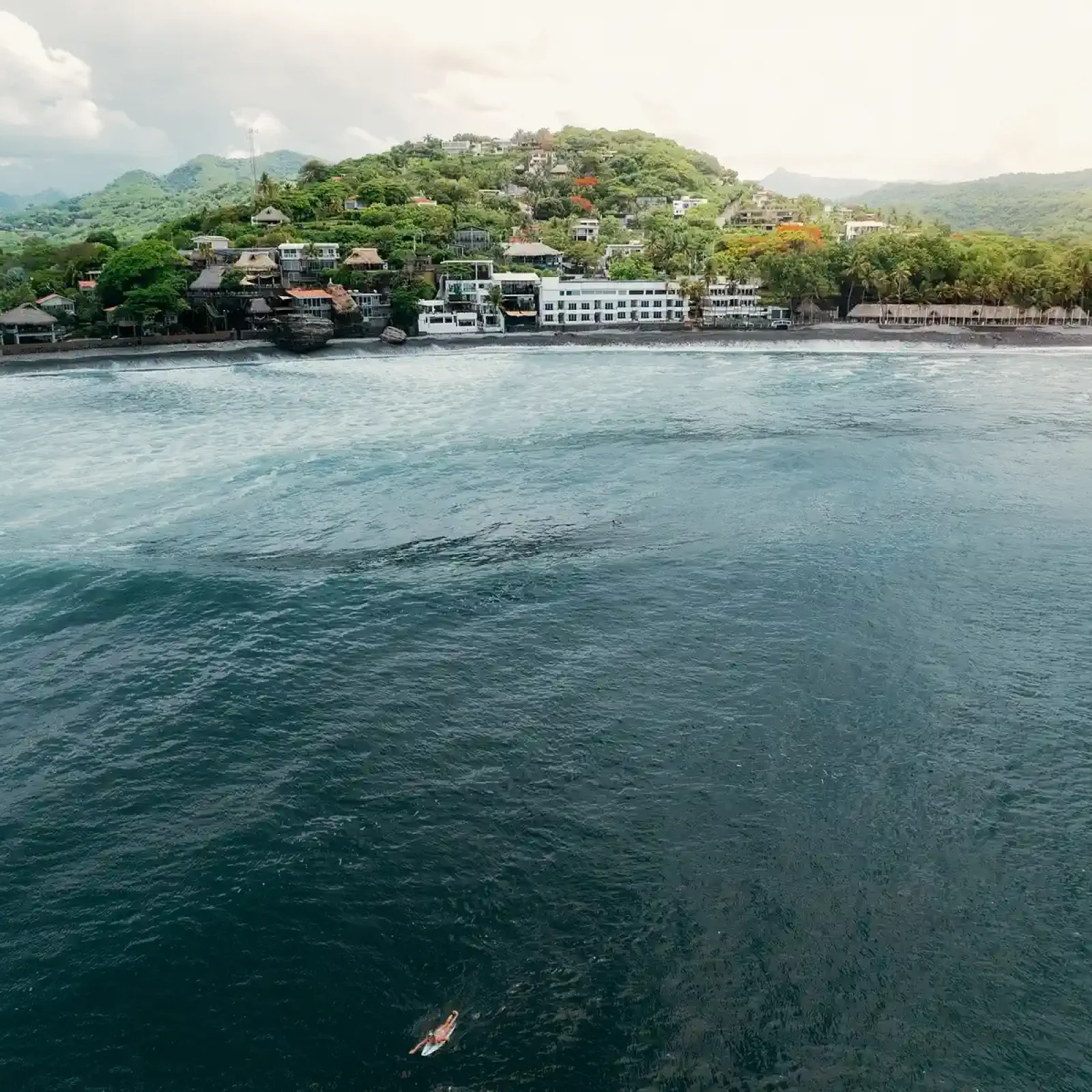
Where to learn, lesson prices, safety, and seven beginner-friendly waves.
Read guide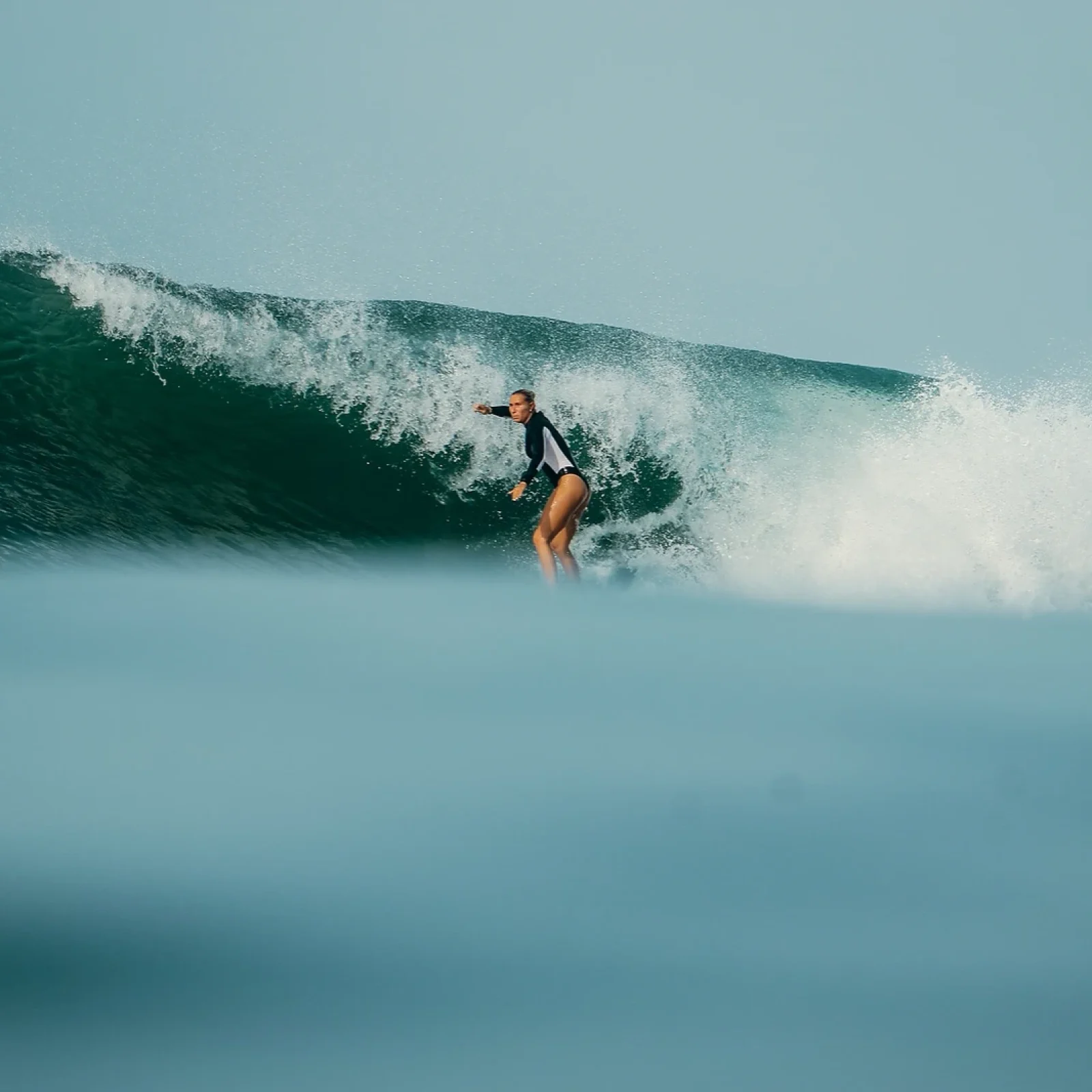
Three Waverick-verified camps reviewed with real prices: Laola, Casa Las Flores, Punta Mango Resort.
Read guide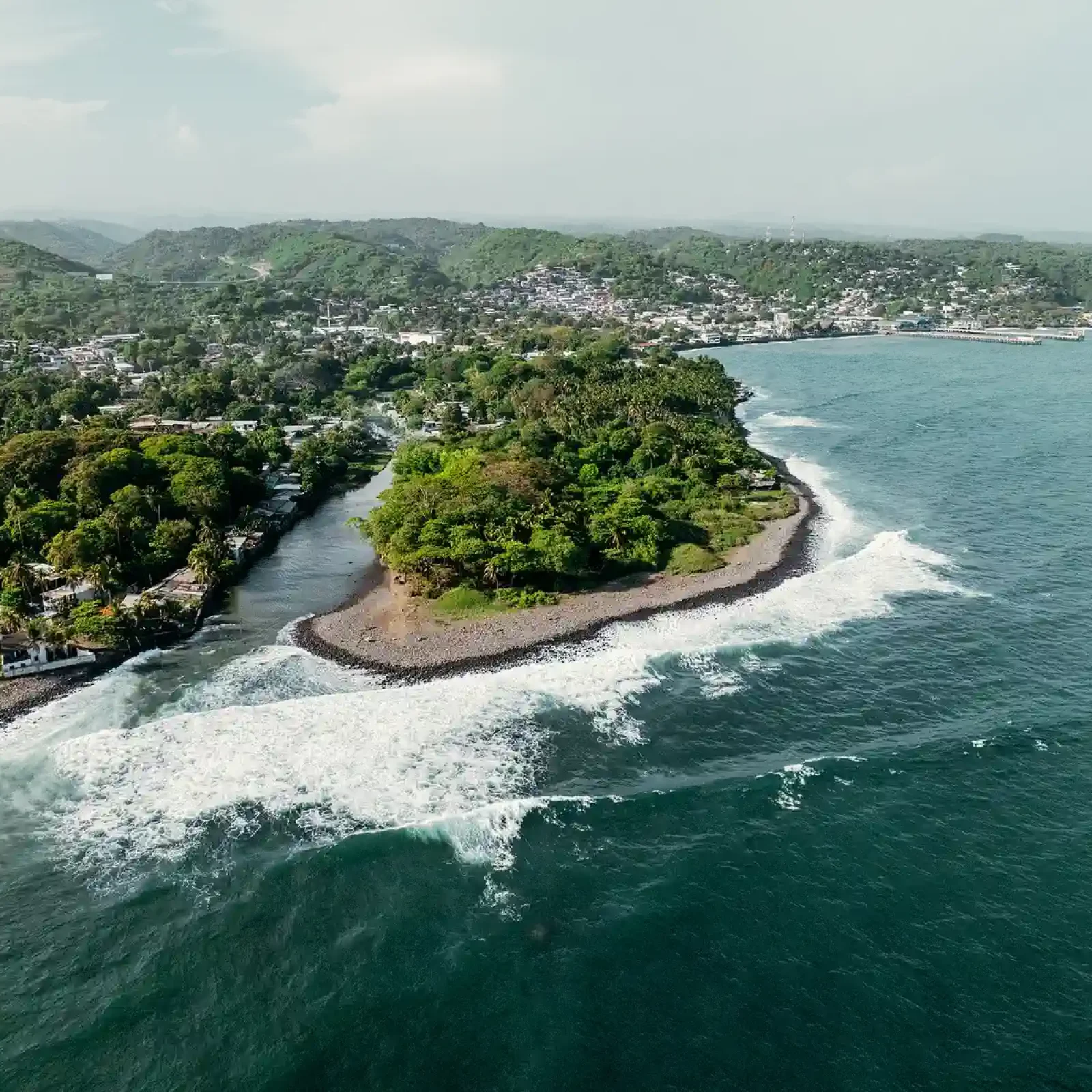
Month-by-month read of swells, wind and crowd. The sweet-spot months most guides miss.
Read guideApril to October is the peak south-swell window, with June and July delivering the most consistent overhead surf. November to March still produces rideable waves year-round, but the swells are smaller and the wind can turn onshore by mid-afternoon. Weekends are busier, weekdays quieter.
Fly into San Salvador (SAL). El Tunco is a 30-minute drive south on the coastal highway. Camps usually arrange airport transfers (around €40 one way). Public buses run from San Salvador every 30 minutes (€1.50, about 90 minutes).
From €980 / 7 nights at Laola Surf Camp El Sunzal, 5 minutes up the coast. Smoothie bowl at Roots cafe: €4. Lesson plus board rental at the village schools: around €30.
El Tunco itself is small and walkable. El Sunzal is 1 km north (15-minute walk or €1 tuk-tuk). Punta Roca is 25 minutes by bus 187 to Puerto de la Libertad. Daily rates for car hire start around €35.
The widest restaurant scene on the coast: smoothie bowls (Roots, around €4), pupusas at the comedores (€2), Mexican (Tacos al Pastor, around €5), seafood (whole fried fish around €8). Coffee shops open at 7 am for surf checks.
Most nationalities get a 90-day tourist stamp on arrival (no visa needed for EU, US, UK, Canada, Australia). Cash on the ground is mostly USD (the country's official currency); Waverick shows prices in EUR at par.
Surf camps in El Sunzal next door cover both spots, with all-inclusive packages and lessons.
See El Tunco Surf CampsEl Tunco is a small surf village on the La Libertad coast, 30 minutes south of San Salvador airport. It sits 1 km south of El Sunzal and 25 minutes west of Puerto de la Libertad (Punta Roca). The village name comes from a rock formation just offshore that resembles a pig (tunco).
Yes, with caveats. The main wave at La Bocana is fast and breaks over rocks (intermediate-plus), but El Sunzal is a 15-minute walk north and one of the best beginner waves in Central America. Most surf schools take beginners to Sunzal for lessons, then to La Bocana once they progress.
It is the social hub of Salvadoran surf travel: more restaurants, bars, and surf shops per square metre than anywhere else on the coast. The Friday and Saturday night scene is busy with locals and travellers. Live music is common at the beachfront bars.
The village itself is small (about 600 residents) but feels bigger because of the constant surf-traveller traffic. La Bocana lineup can have 40 to 60 surfers on a good day in peak season. Weekdays and shoulder season are noticeably quieter, both in the water and the village.
The village has at least eight surf schools, most based on the beach next to La Bocana. Lessons typically run €25 to €35 for two hours including board rental. Beginners are usually taken to El Sunzal next door for the gentler wave; lessons at La Bocana itself are reserved for intermediates.
El Tunco itself has guesthouses and surf hostels rather than full-package camps. Most all-inclusive camps in the area sit between El Tunco and El Sunzal (such as Casa Sunzal) or at El Sunzal itself (Laola). They cover both waves from one base, with the Tunco scene a 15-minute walk away.
About 30 minutes by car (40 km on the CA-2 coastal highway). Most surf camps include airport transfers in their package; a private taxi runs around €40. The public bus from San Salvador city takes 90 minutes for €1.50.
La Bocana is a rivermouth that breaks both ways: a fast hollow left and a punchier right. Best from waist-high to overhead. Lower tides usually shape the wave better. The bottom is mostly rocks; the lineup is competitive but workable if you respect the pecking order.
Yes, the village is among the safest in El Salvador thanks to consistent police presence and the 2023 security policy reset. The Friday and Saturday night scene is busy, well-lit, and oriented around surf travellers. Walking back to your accommodation in the village area is normal practice.
April to October for the south-swell window, with June and July delivering the most consistent head-high surf at La Bocana. November to March still produces rideable waves but smaller. Morning sessions (6 to 9 am) usually have the cleanest wind; afternoon onshore wind is common in the dry season.
