 English
 Français
  Deutsch
  Español
  Italiano
 Surfing Punta Mango, El Salvador
The country's heaviest boat-access right. Wave, season, gear, and where to stay.
Read guide

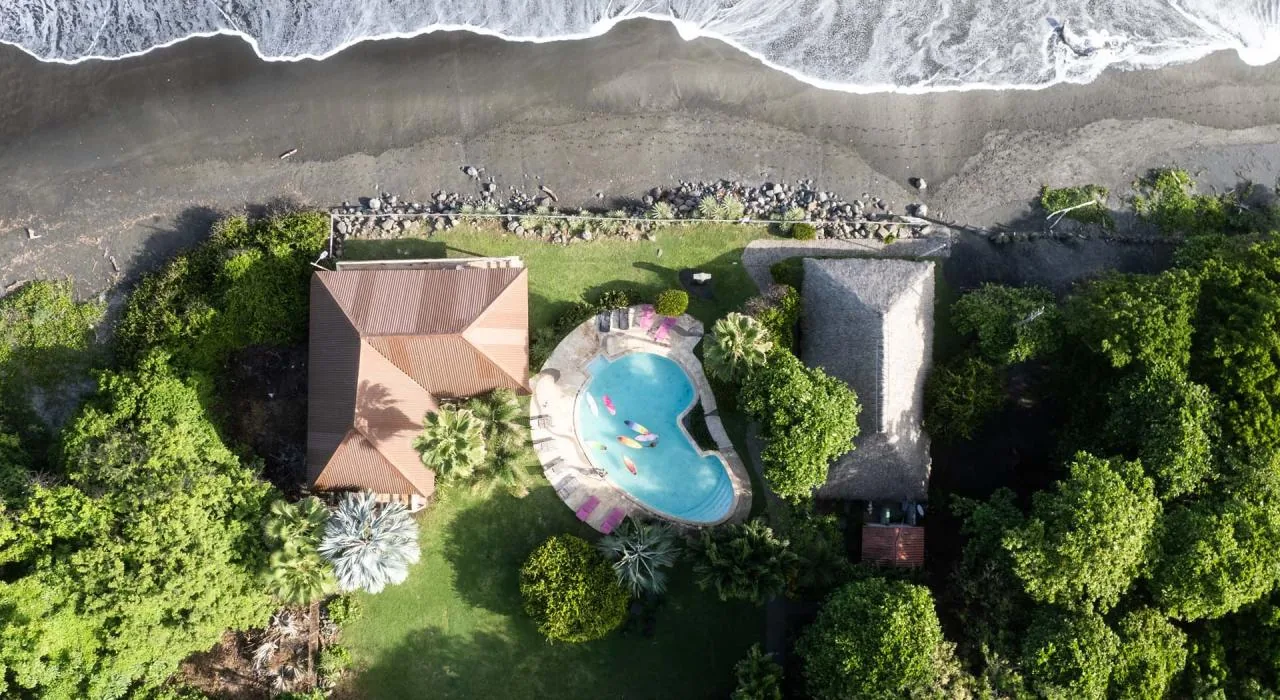
Punta Mango is a boat-access right point on El Salvador's far eastern coast. It runs cleanest from April to October on south swells, and the only way in is by boat from Las Flores, which keeps the crowd count down to a handful most days.
Punta Mango is a boat-access right point on El Salvador's far eastern coast. It runs cleanest from April to October on south swells, and the only way in is by boat from Las Flores, which keeps the crowd count down to a handful most days.
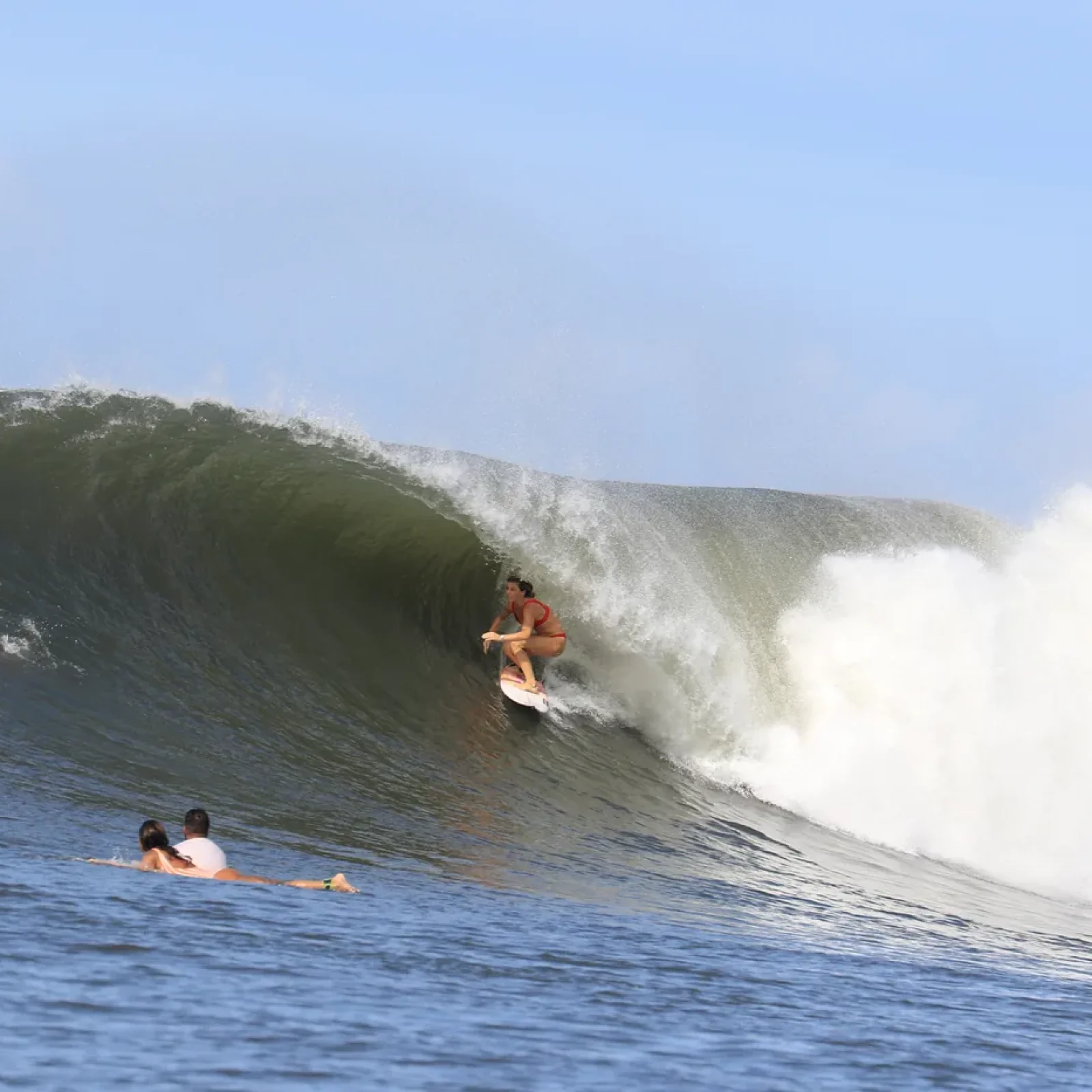
A 200-yard right that holds size cleanly, less rocky on the inside than Las Flores. Six suites sit directly above the point with ocean or jungle views.
A 30-minute boat ride is the most reliable crowd filter in Central America.
The country's heaviest boat-access right. Wave, season, gear, and where to stay.
Read guide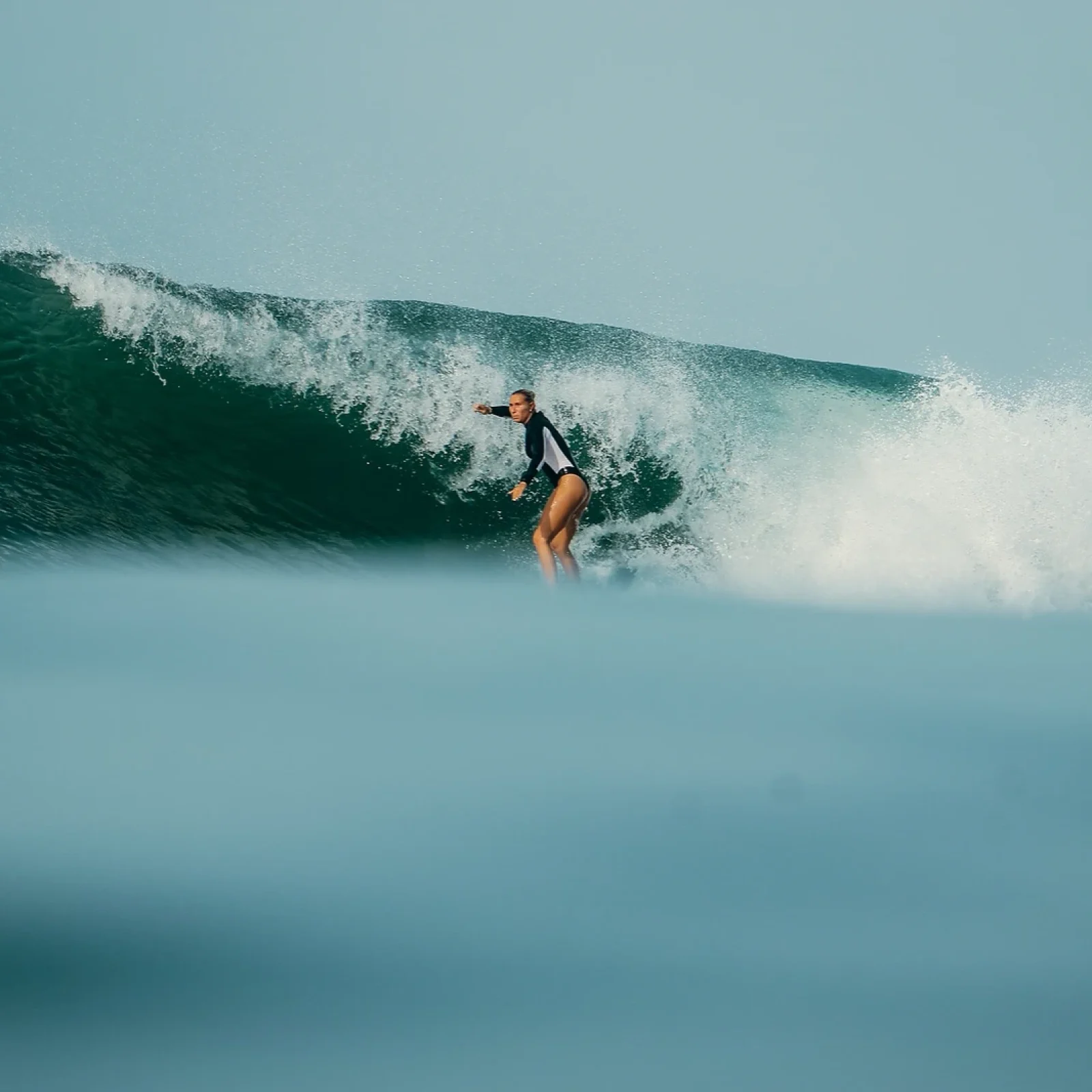
Three Waverick-verified camps reviewed with real prices: Laola, Casa Las Flores, Punta Mango Resort.
Read guide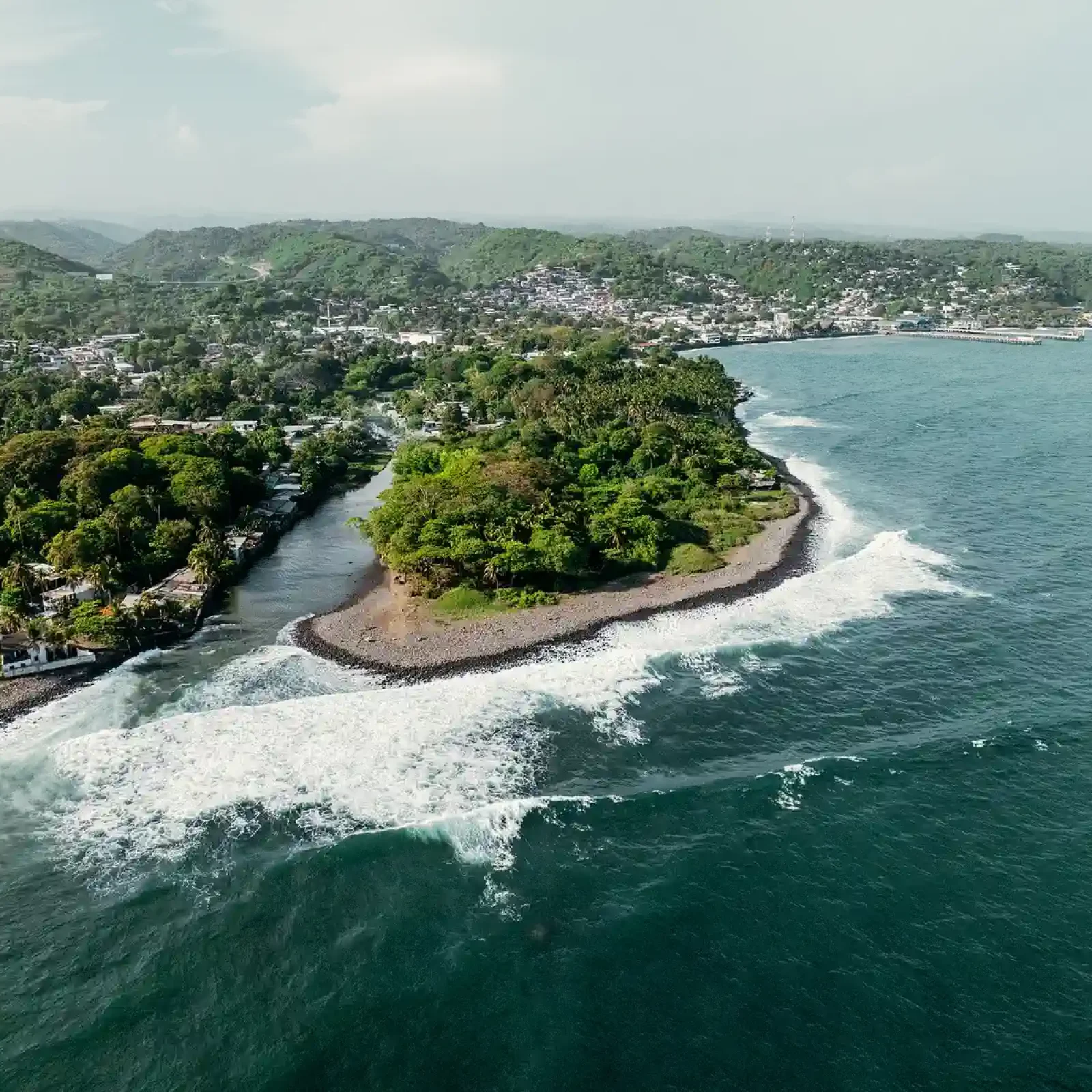
Month-by-month read of swells, wind and crowd. The sweet-spot months most guides miss.
Read guideApril to October is the peak south-swell window. June and July deliver the most consistent head-high to overhead surf. November to March still has surf but the swells are smaller, less consistent, and afternoon onshore wind is more common.
Fly into San Salvador (SAL). The transfer is roughly four hours by SUV to Las Flores, then a 30-minute boat ride east to Punta Mango. The camp arranges the full route as part of the package.
From €1,365 / 7 nights all-inclusive (transfers, three meals, daily guided surf) on a Triple+ share. Single rooms start higher. Whole fried fish with rice at the resort: €7.
The camp runs boat trips back west to Las Flores, La Vaca, El Toro and Punta Bongo on most surf days. There is no road access in or out, so once you arrive, the boat is the entire surf-zone shuttle.
Three meals a day come with the package (restaurant menu with seafood, rice and vegetables, fresh juice). The Jucuarán village is a short boat away for pupusas at the comedor stalls (€2 each).
Most nationalities get a 90-day tourist stamp on arrival (no visa needed for EU, US, UK, Canada, Australia). Cash on the ground is mostly USD (the country's official currency); Waverick shows prices in EUR at par.
One partner camp directly above the point, with boat transfers and three meals a day.
See Punta Mango Surf CampsPunta Mango is on the far eastern coast, in Jucuarán municipality, Usulután department. It sits about 30 minutes east of Las Flores by boat. The closest paved road ends at Las Flores; from there you transfer by boat.
A 200-yard right-hand point break that holds size, runs cleanly, and stays quiet. The boat-only access means you almost never share the lineup with day trippers. On a clean swell it is one of the longest, most consistent rights in Central America.
The Punta Mango Surf Resort is the only accommodation directly on the point. It has six suites (four with ocean view, two with jungle view), a pool, and a beachfront restaurant. Most surfers book through an all-inclusive package that includes the boat transfer.
No, the lineup is one of the quietest on the Central American coast. The 30-minute boat ride from Las Flores filters out day visitors. Even on the best swells you typically share the wave with five to ten surfers, not the 30+ you see at La Bocana on the western coast.
It is a four-hour SUV transfer east to Las Flores, then a 30-minute boat ride east along the coast to Punta Mango. The total trip is around five hours door to door. Most camps arrange both legs as part of the package.
Yes, the access road ends at Las Flores. The point itself is reached by boat (operators run from Las Flores beach). Once you are staying at the Punta Mango resort, the boat is the daily shuttle to the wave and to nearby surf zones.
A long right-hand point that breaks over a sand-and-cobblestone bottom. Take-off is fast but the wall is open. Most days deliver waist- to overhead-high surf. On bigger south swells it can hold double overhead. Mid-to-high tides usually work best.
April to October is the south-swell season and Punta Mango's prime window. June and July typically produce the most consistent head-high to overhead surf. Conditions stay rideable year-round, but November to March is smaller and the wind can turn onshore by lunchtime.
Not really. The wave is fast, breaks over a hard bottom, and the inside section is rocky. Beginners are better served at El Sunzal on the western coast, which has a longer, softer take-off. The Punta Mango boat can occasionally drop beginners at smaller adjacent beaches when the swell is small.
The camp's boat covers six surf zones reachable from the same launch: Punta Mango, Las Flores, La Vaca (short fast right), El Toro (200-yard right on bigger swell), Punta Bongo (100-yard right point) and Sequiruja. The boat picks the spot each morning based on swell and wind.
