 By Steeve
The Maldives delivers waves nearly year-round, but not equally. From May glass to August giants to November mellow, here’s what the lineup actually looks like month-by-month — and which trip suits which surfer.
The country runs on two monsoons. The southwest monsoon (May to October) sends Indian Ocean swell straight at the reefs. The northeast monsoon (November to March) flips the wind direction, swell drops, and the country shifts into glassy, beginner-friendly mode.
That gives surf travellers a clean choice: come in season for size and consistency, or come off-season for cheaper rates and emptier lineups on mellower waves.
Swell starts rolling in. Wind goes light-to-moderate from the southwest. Lineups are still quiet because the season hasn’t gone viral yet. Mornings are often glassy. Good for intermediate surfers who don’t want crowds. Pasta Point, Sultans, and Cokes all start firing.
The middle of the southwest monsoon. Swell is consistent and waves get punchy: head-high to well overhead, with occasional double-overhead days. Wind can pick up by midday, so dawn patrol is the move. Lineups get busy at the famous breaks — charters camp out around North Male. Local-island guesthouse spots like Hadigilla in Dhaalu stay relatively uncrowded.
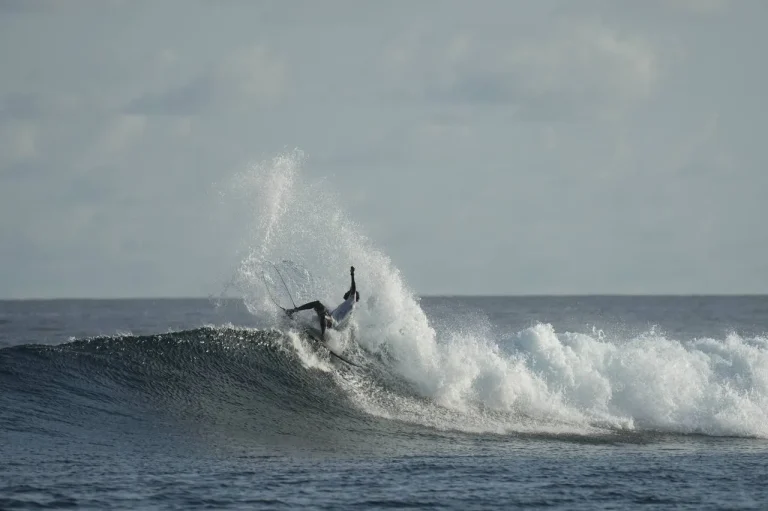
August often holds the biggest swells of the year. Storm activity in the Southern Ocean delivers raw, well-overhead sets that turn the famous reefs into pumping points. Not the month for first-time Maldives surfers. Wind can be heavy after lunch, so you surf in three sessions: dawn, late afternoon, sunset.
Swell is still solid but begins to ease back. The wind softens, mornings get glassier again, and lineups thin out as the school holidays end. This is many local guides’ favourite window: still juicy waves, half the crowd. October usually means cheaper trip prices too.
Northeast monsoon kicks in. Swell drops significantly. Most spots become small and mellow, perfect for surfers learning to read reefs or working on technique. Cokes runs occasionally, but mostly this is glassy waist-high to chest-high stuff. The bonus: zero rain, blue skies, postcard photos. Resort prices drop. Boat charters mostly pause.
27–29°C every single month. Boardshorts and a rashie are enough. A 0.5mm vest is overkill but handy for long surf-all-day sessions to fight chafe. Pack reef booties if you’re not used to dry coral reef walks at low tide.
For your first Maldives trip, May or September. Solid swell, manageable wind, decent crowds. For maximum waves and you’ve got reef experience, June–August. For glassy easy sessions and cheaper rates, October–April but expect smaller surf.
For a longer breakdown of where the waves are atoll-by-atoll, see our spot guide. For working out whether you should book a charter or stay on a local island, read charter vs land-based.
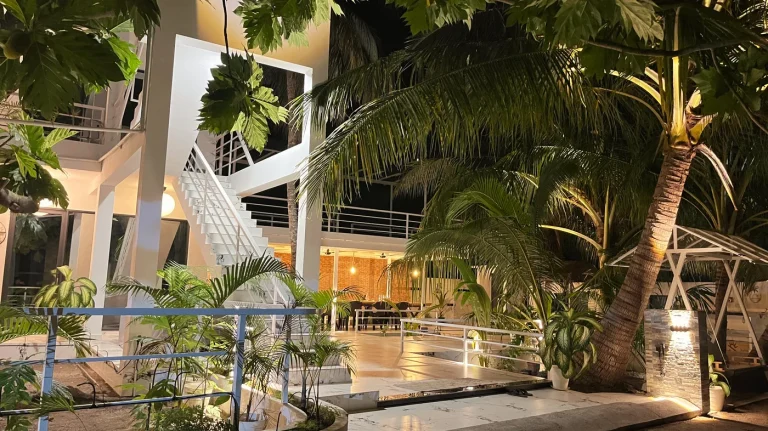
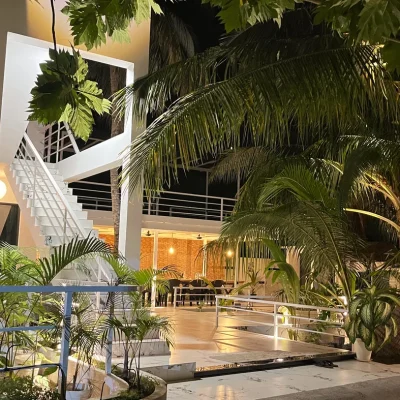
One example of the land-based option: Oceana Inn Maldives in Kudahuvadhoo runs a small guesthouse a short walk from Hadigilla, with daily boat trips when other spots are firing. From €45/night per person, three nights minimum.

 English
 Français
  Deutsch
  Español
  Italiano