 English
 Français
  Deutsch
  Español
  Italiano
 Surfing Cantabria: Somo, Loredo and the beginner-friendly coast
Where to surf, where to stay, and why this is northern Spain's best beginner coast. 8 spots from soft inside whitewater to the El Brusco reef.
Read the guide

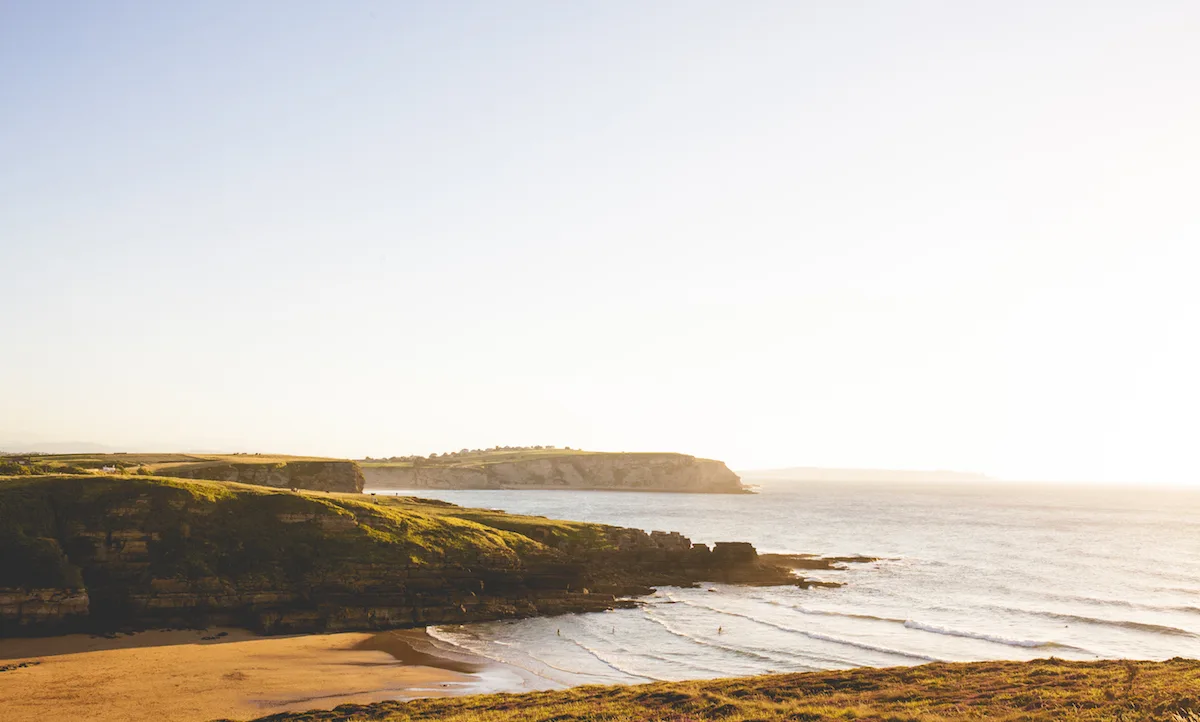
Cantabria's Atlantic coast: Somo, Loredo, Suances. The most beginner-friendly stretch of Spanish surf, with the Picos de Europa one hour south.
Cantabria is the most beginner-friendly stretch of Spain's Atlantic coast: an arc of north-facing sand-bottom beaches, a regional capital connected to the surf side of the bay by a 15-minute ferry, and the cleanest first-time surf classroom in the country.
The Cantabrian wave is softer than its Basque neighbour to the east and milder than Galicia to the west. Sunsets here happen over the Bay of Biscay, the cider houses are an hour inland, and a short drive south gets you into the Picos de Europa for a flat-day mountain reset. The coast is what most Spanish surfers learn on, and what European travellers come to when they want a calmer alternative to Hossegor or Mundaka.
Somo's inside section is sand-bottom whitewater that breaks for 50 to 100 metres on small days. There is no shallow shorebreak surprise, no boil over reef, no current pulling sideways. You stand up, you ride to the beach, you walk back out. It is the most learner-honest beach in Spain.
This hub covers the spots, the camps, the seasons, and how to get here. For a full surf-side guide, see our Cantabria surf article: spot-by-spot detail, season tables, kit advice, and what a first-week looks like.
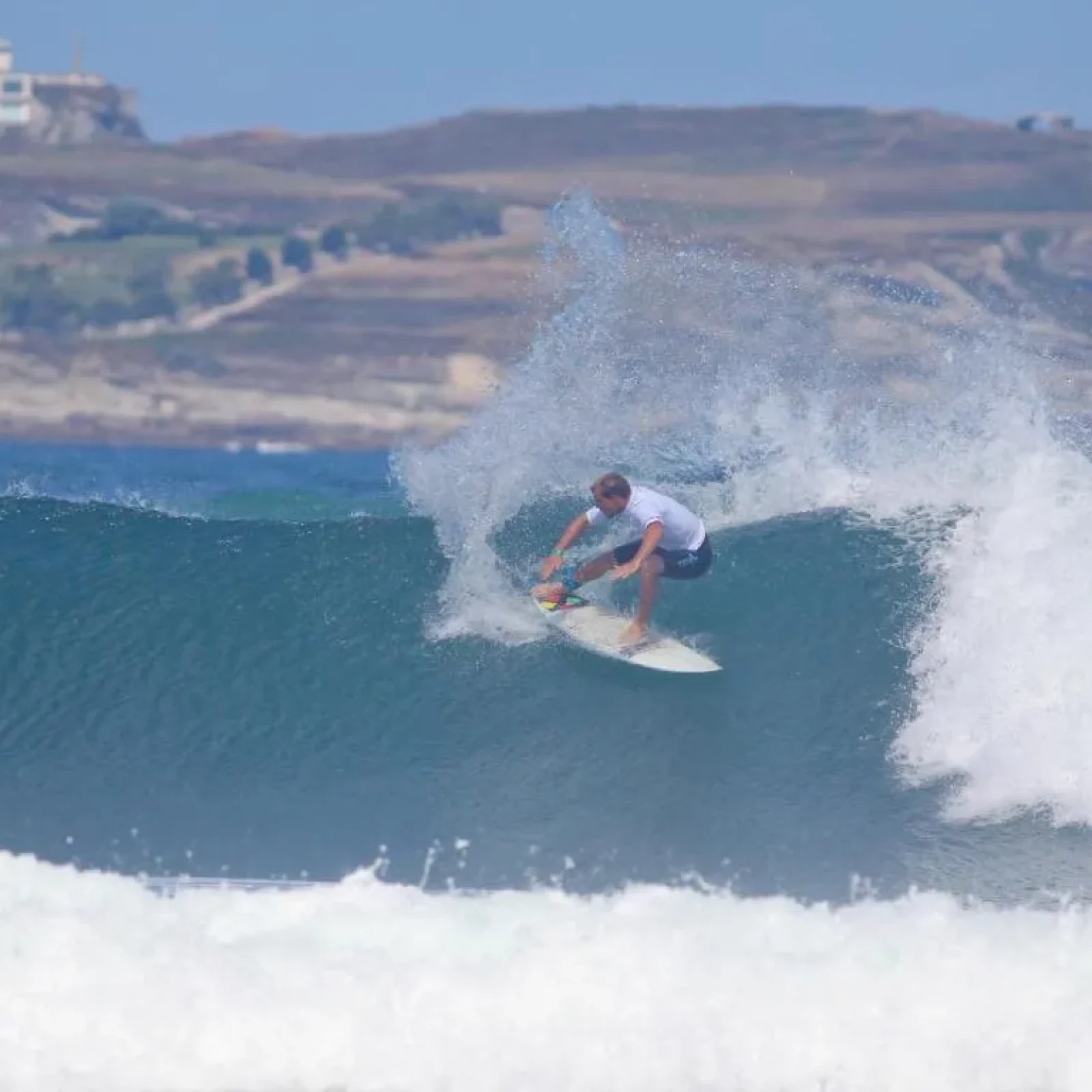
Where to surf, where to stay, and why this is northern Spain's best beginner coast. 8 spots from soft inside whitewater to the El Brusco reef.
Read the guide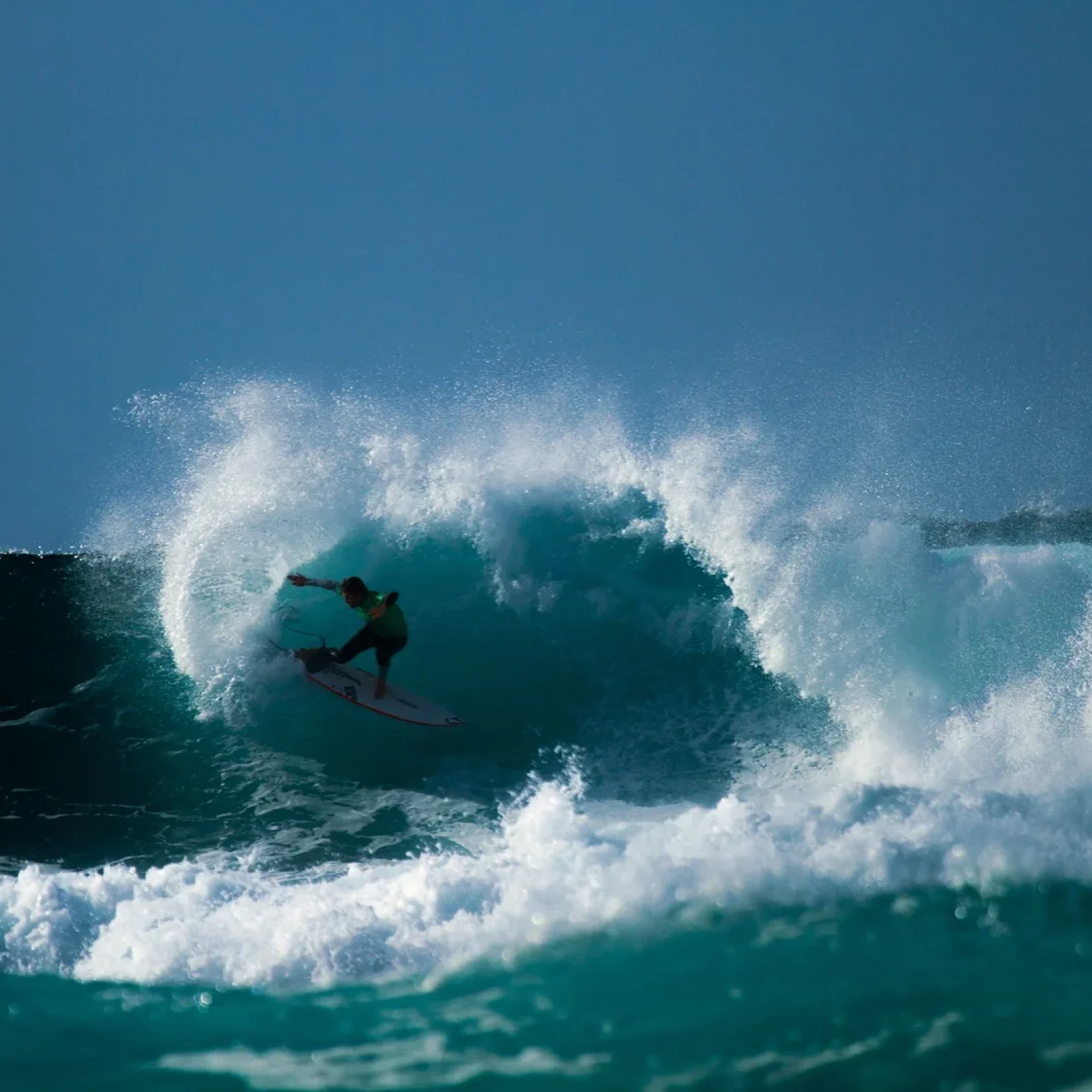
Cantabria, the Basque Country, and Galicia compared. Wave types, seasons, where to base, and how the three regions stack up against each other.
Read the guide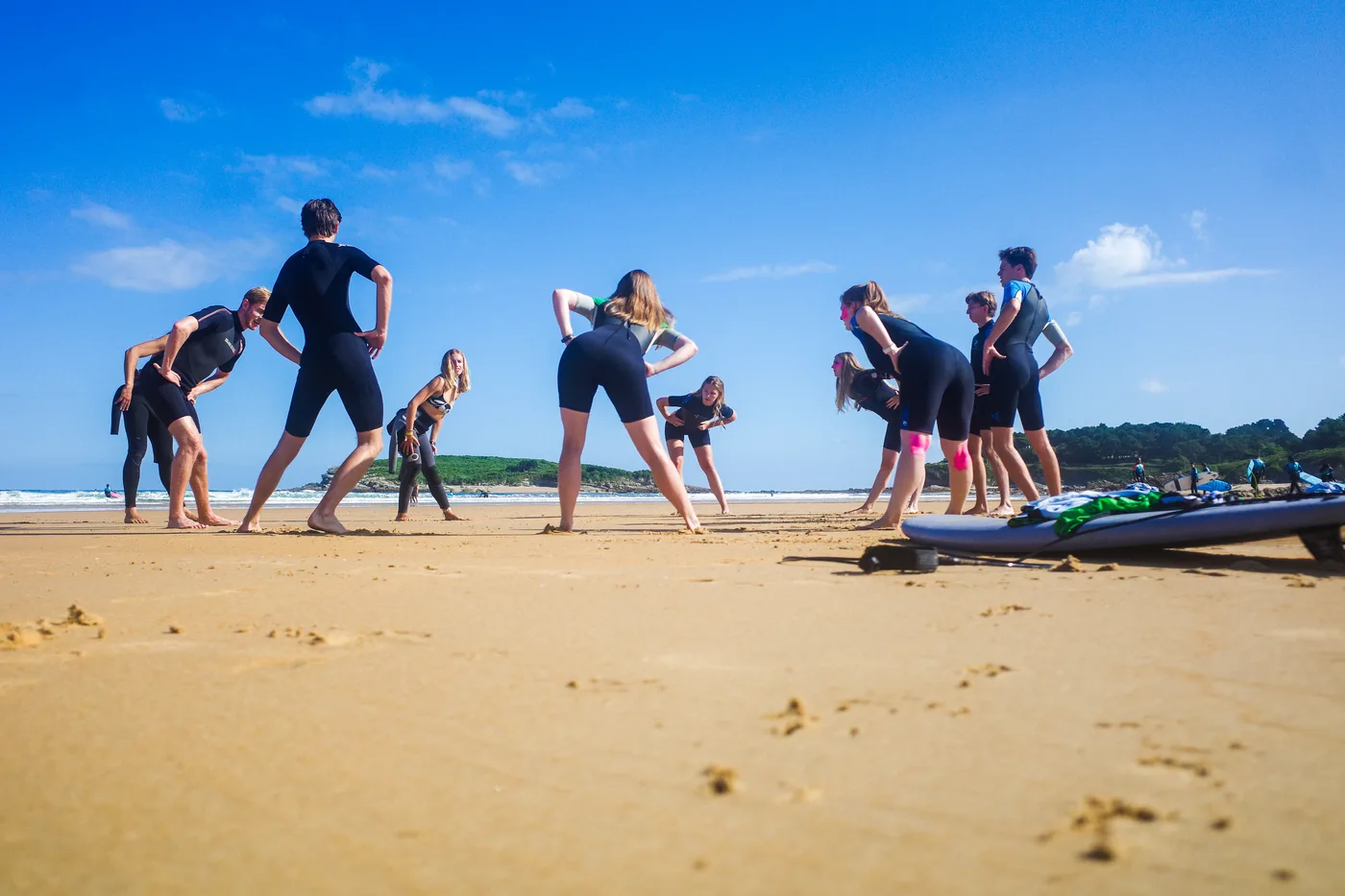
Compare camps across Cantabria, the Basque Country and Galicia. Real prices, full packages, and side-by-side level + region filters.
Browse campsSantander (SDR) 20 min by car, or Bilbao (BIO) 90 min. Ryanair and EasyJet fly UK and Ireland routes to SDR in summer; BIO is the bigger year-round hub.
Half a dozen schools work the Somo dune line every summer. Both Waverick Cantabria camps walk to the beach and run morning lessons + afternoon free surf with video review.
Anchovies (anchoa) from Santoña 45 min east of Somo. Cocido montañés bean stew in the Picos villages. Quesucos de Liébana cheese from the Liébana valley.
From €150 / 3 nights at Surfbase Loredo. Anchovies from Santoña, sit-down lunch: €12.
Two camps walk to the beach, both built for first-timers and improvers. Real prices, packages, and live availability.
Browse Spain surf camps See Cantabria Surf CampsFor most first-timers, yes. Somo and Loredo have soft sand-bottom inside sections, surf schools on the dune line, and water that hits 22 °C in August. The wave is more forgiving than the Basque Country (Zurriola gets crowded and the local etiquette is stricter) or Galicia (cooler water and more powerful swell). Both Waverick Cantabria camps walk straight to the beach.
For beginners: late June through mid-September for warm water (18 to 22 °C) and the most consistent small clean days. For intermediates: September to November for autumn groundswell with cleaner shape at the east end of Somo and at Loredo. Winter (December to February) is cold and stormy, suited only to confident surfers in 4/3 or 5/4 wetsuits.
Surf To Live in Somo for a social hostel format with weekly programmes, shared dorms or private rooms, and the daily town buzz. Surfbase Loredo for a slightly quieter base with a wider mix of room types (private, twin, triple, shared) and a more independent rhythm. The two beaches are 5 minutes apart and most coaches will move the group between them based on conditions.
3/2 covers June to September. 4/3 with hood for the shoulder months (October to mid-December, March to May). 5/4 in deep January if you want to surf the cold. Both Waverick Cantabria camps include wetsuit and board rental in their packages.
The Picos de Europa mountains start an hour south by car. The cable car at Fuente Dé takes you to 1,800 metres in 4 minutes for a high-mountain panorama. Santander city is 15 minutes by ferry from Somo and worth a half-day for the Magdalena peninsula and the Botín museum. For food, the anchovy producers in Santoña 45 minutes east are the regional specialty.
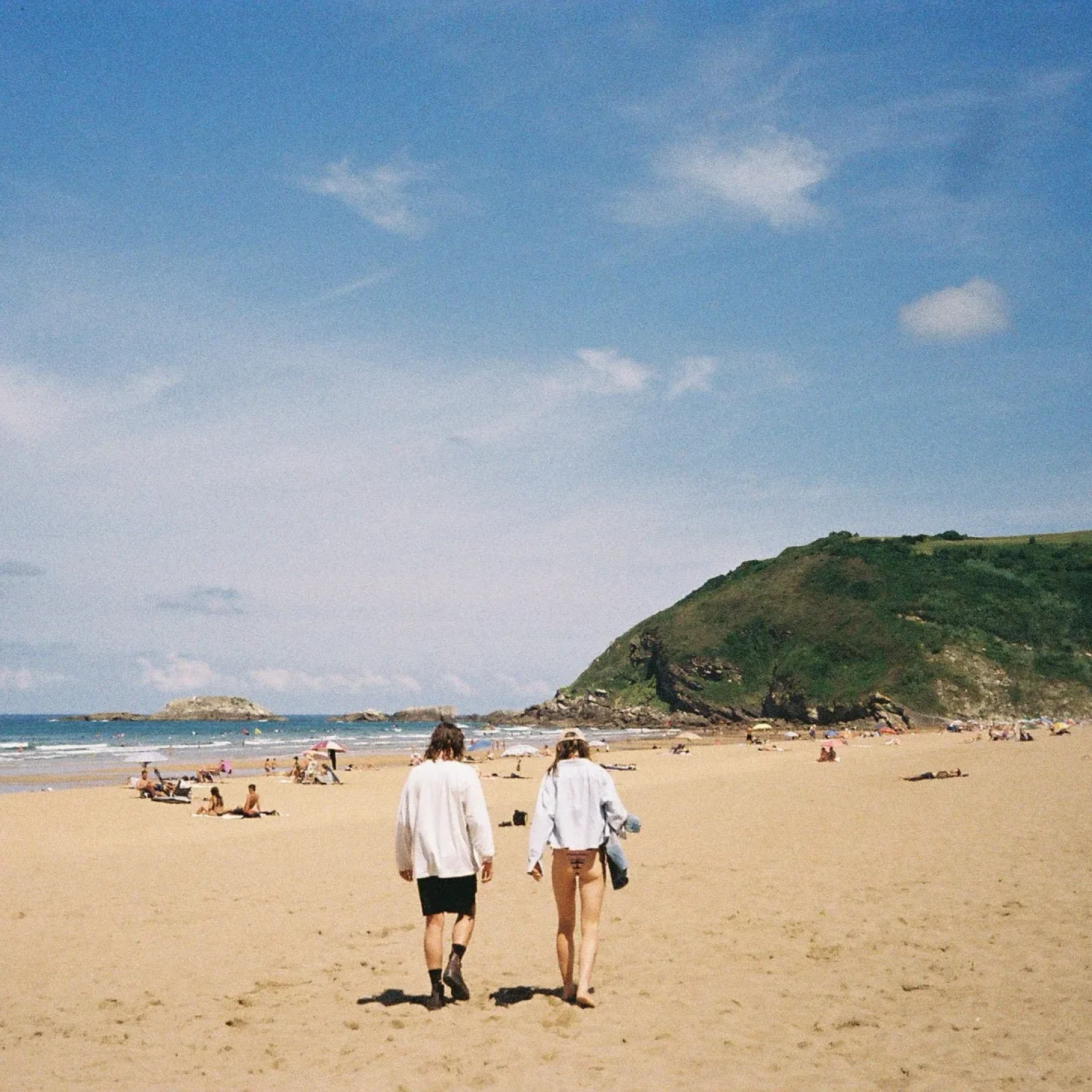
The Basque Country: 150 km of Atlantic coast from Bilbao to Hendaye. Mundaka, San Sebastián, Zarautz. Spain's surf-and-food region with the most varied wave + the strongest pintxos culture.
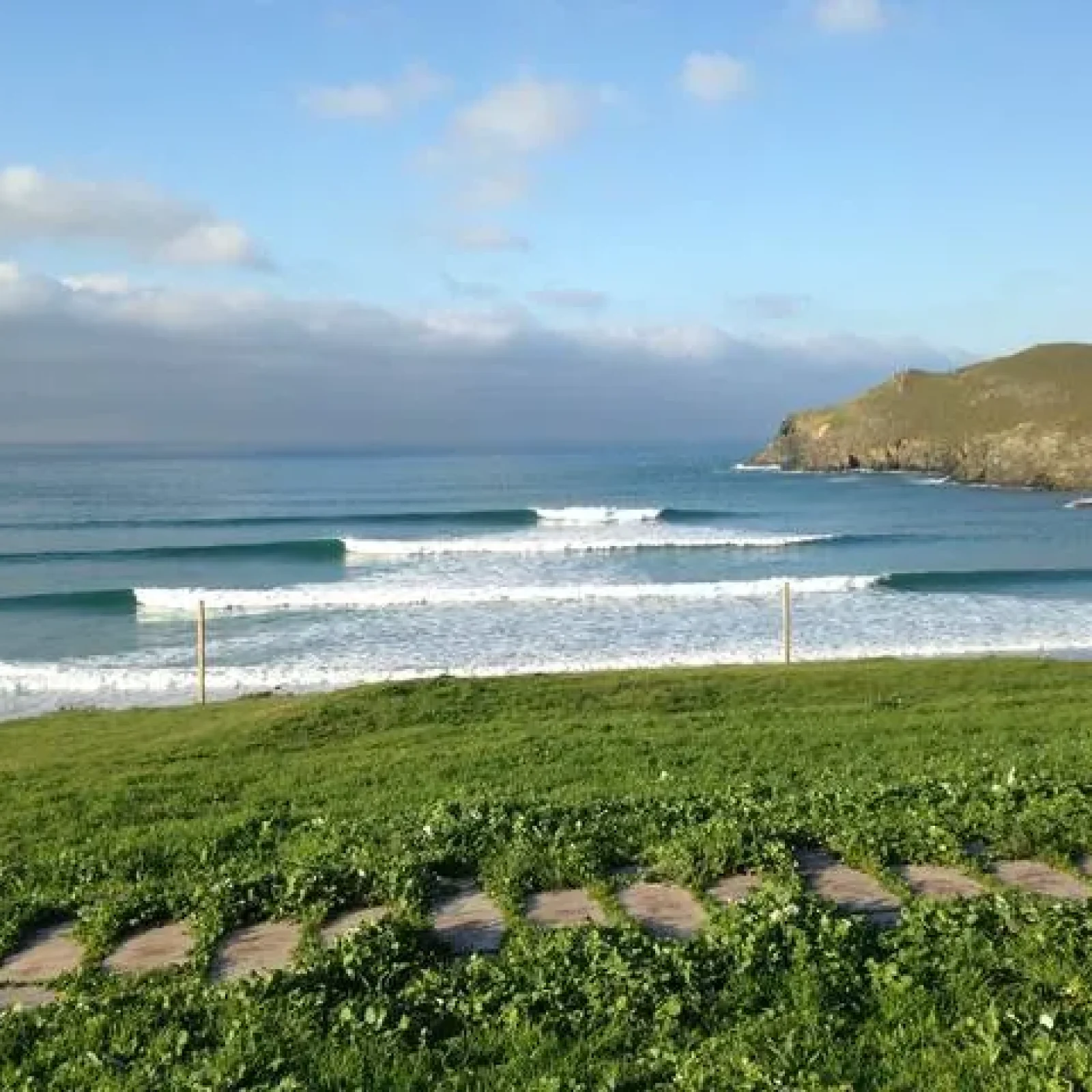
Galicia: Spain's emptiest Atlantic coast. Pantín, Frouxeira, Doniños, Razo. Powerful waves, tiny lineups, and Spanish surf at its wildest. Pantín Classic happens here every September.
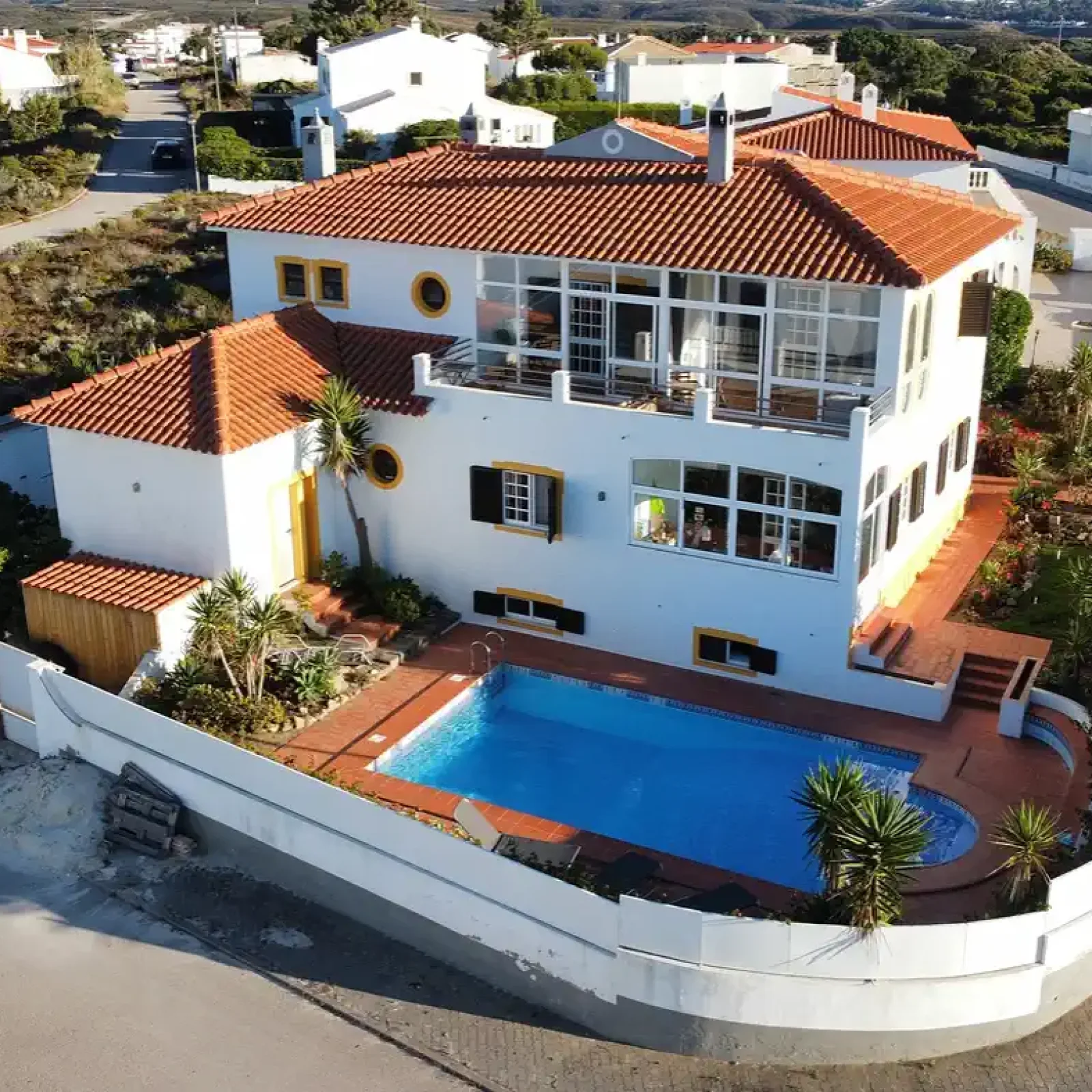
The Algarve is Portugal's southernmost region, but for surfers it is two coasts in one. The west coast (Costa Vicentina) faces the Atlantic head-on and catches every winter swell.
