 By Steeve
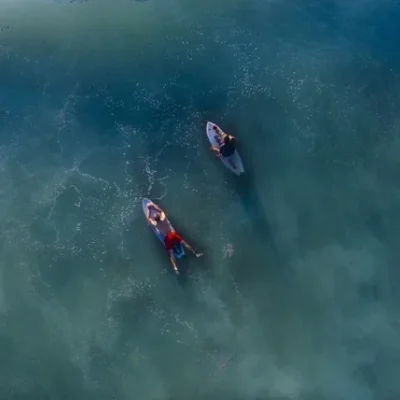
Galicia is Spain’s least-crowded surf coast, the country’s wildest and least Mediterraneanised region. The waves are powerful, the lineups are empty, the food is some of the best in Europe, and the coastline runs from Ribadeo on the Asturian border around to Vigo on the Portuguese border, a 1,200-kilometre cliff-and-cove line of beaches and reefs facing the open Atlantic.
This is the part of Spain where the surf takes itself seriously. The annual Pantín Classic at Praia de Pantín is one of Europe’s longest-running professional contests, the Costa da Morte (Coast of Death) is a graveyard of shipwrecks and serious-water big-wave spots, and the regional capital A Coruña is a working Atlantic port whose city beach (Riazor) is also a respectable surf zone. Galicia gets less Spanish-tourist traffic than Cantabria or the Basque Country, and almost no international beginner traffic. If you want a quieter, harder, more weathered version of Spanish surf, this is where you go.
This guide covers the spots, the seasons, where to stay, what it costs, and what level of surfer Galicia actually suits. If you’re choosing between Galicia and the friendlier coasts further east, read the comparison block in the FAQ first.
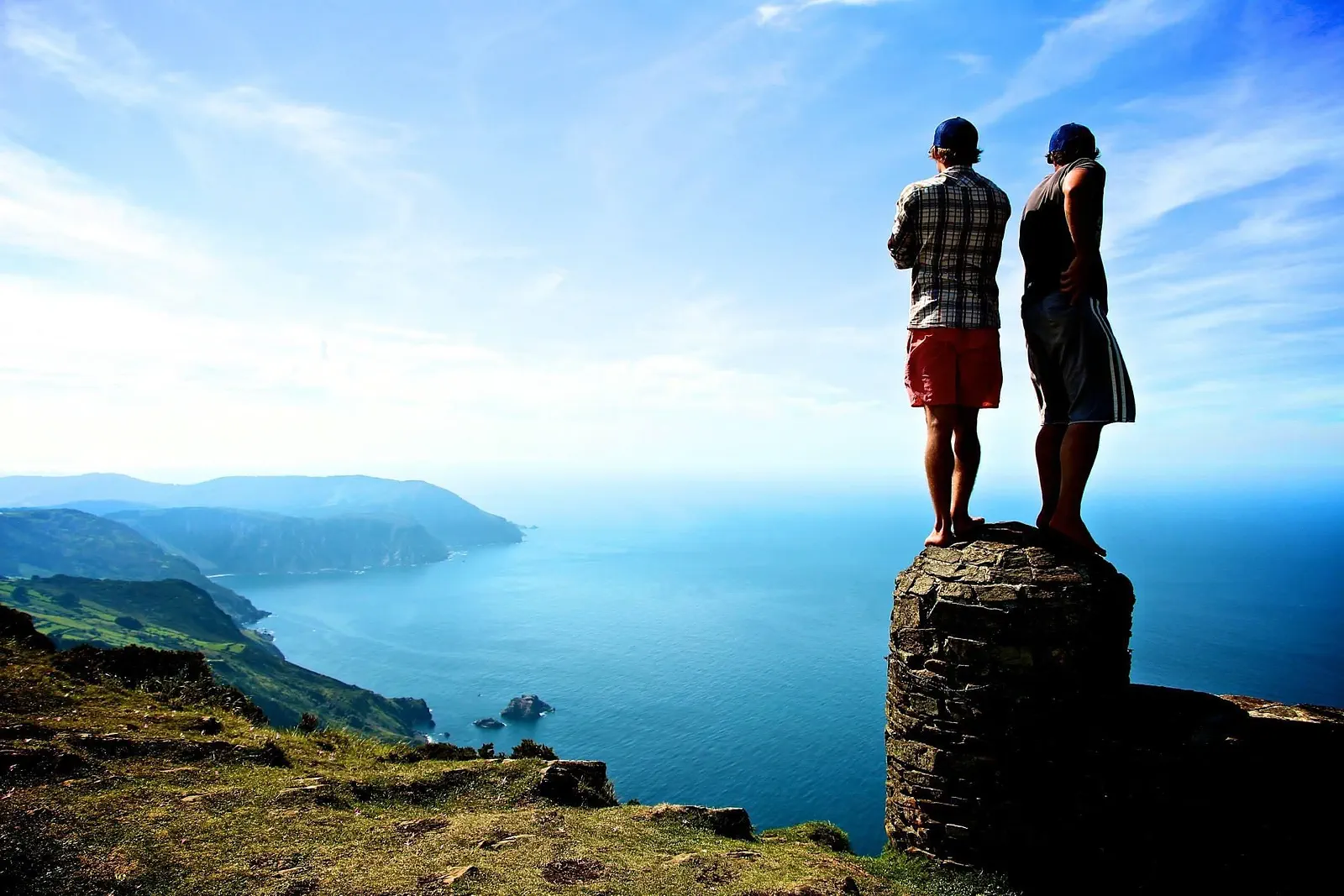
Three things define this region against the rest of Atlantic Spain.
Empty lineups. The Galician coast is huge, and the Spanish surf population is concentrated further east. Pantín on a clean September day in the Basque Country would be 200 surfers in the water; Galicia’s equivalent might be 30. Smaller and quieter spots can be entirely yours on a Tuesday morning. The local surf community is welcoming but small, the etiquette polite, and there’s no pre-dawn dawn-patrol queue at any single peak.
The water and the wave are different. Galicia gets the same Atlantic groundswell that hits Cantabria and the Basque Country, but the coastline is more exposed and the water is colder. Summer water tops at 18 to 19 °C, winter dips to 12 °C. The waves are punchier and the conditions are more committed: more reef, more headland point, more current. If you’ve been surfing two seasons in southern Europe, Galicia is where you graduate.
The Galician food and culture is different. This is the most Atlantic-Celtic part of Spain. Bagpipes (gaita), Galician language, octopus (pulpo), Albariño and Godello white wines, the Camino de Santiago that ends at Santiago de Compostela, fishing villages, granite churches. The cuisine is the best seafood in Spain. Cantabria is a friendly cousin of the Basque Country; Galicia is its own country.
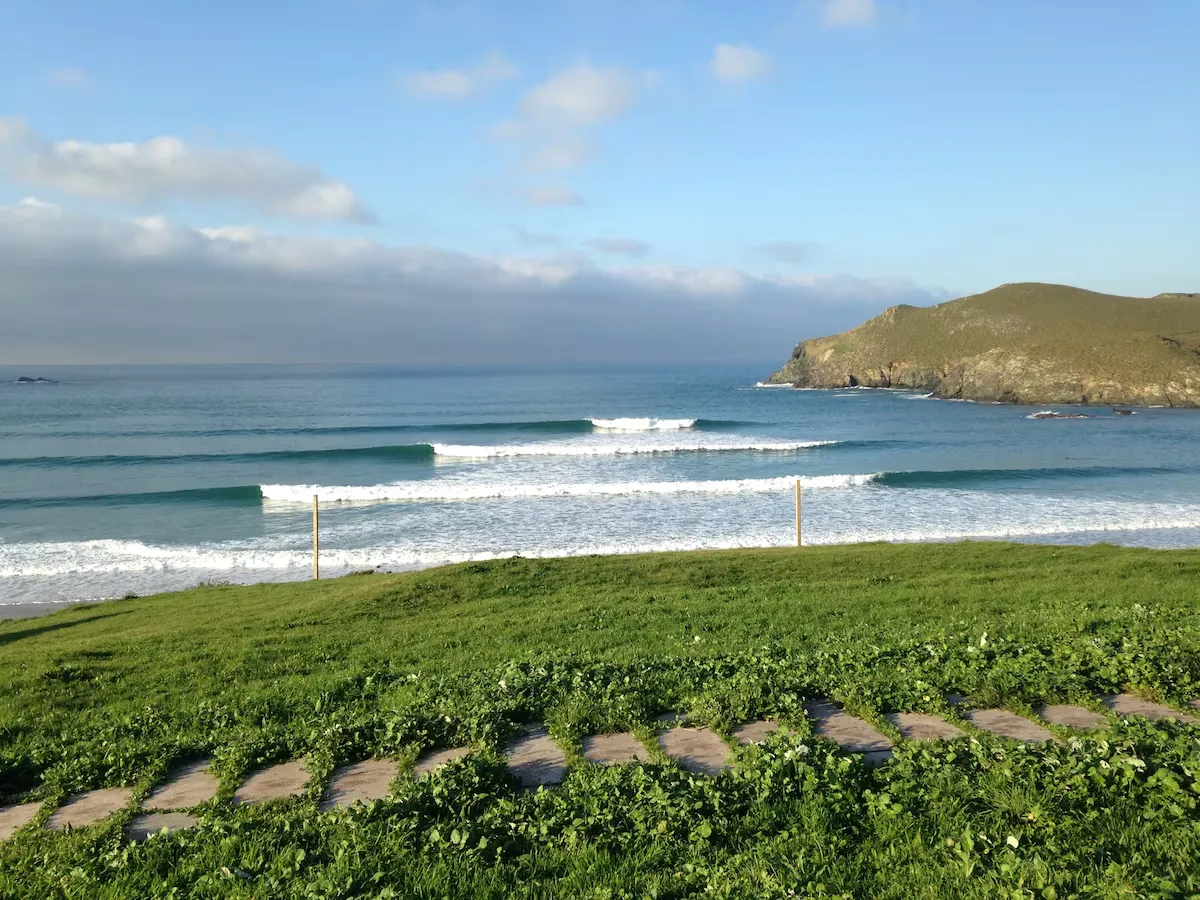
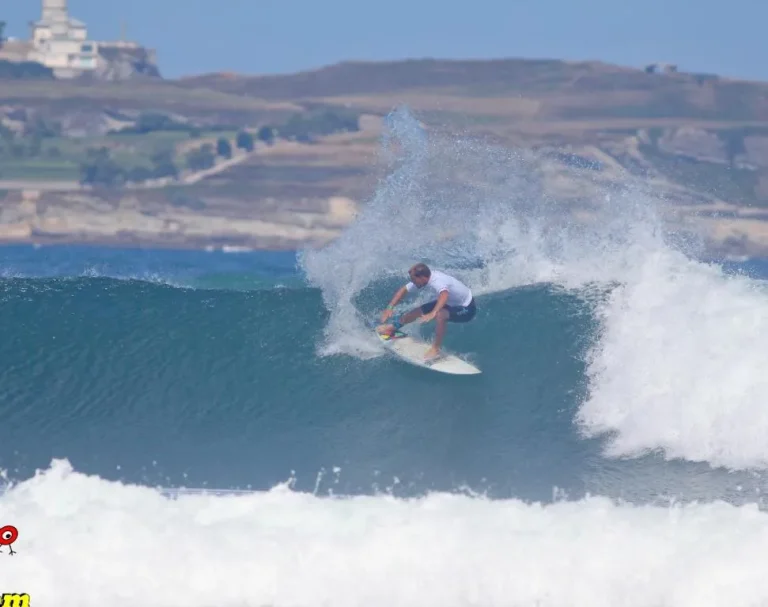
Pantín is the headline beach. A 1.2-kilometre arc of sand at the head of a wide bay, 20 minutes north of Ferrol and an hour from A Coruña airport. The wave is a beach break with multiple peaks: long, defined, and powerful. The bay shape protects from west wind and the bottom contour holds shape on most swells.
This is the Pantín Classic site, a contest that has run since 1988 and is currently a Qualifying Series event on the World Surf League circuit. Late August or early September brings the contest and the international surf scene with it. Outside the contest week, Pantín gets quieter: a handful of locals, a small surf school presence, a beach with three or four cafes and a campsite.
The wave works on any swell from west through north. Best on offshore wind from the south. On bigger autumn swell, the inside section flattens and the outer peaks become powerful overhead-and-up. On smaller summer days, the inside is workable for confident intermediates and the surf schools.
Best for: intermediates and advanced; confident beginners on small days. Avoid: Pantín Classic week if you want quiet (mid August through early September is the contest period). Onshore north wind days the bay turns junky.
Frouxeira is the long beach immediately south of Pantín, separated by a small headland. 2.5 kilometres of open sand, more exposed than Pantín, with a long shore-parallel sandbar that produces left and right peaks for most of its length. Less of a contest beach than Pantín, more of a free-surf playground for locals when Pantín is too crowded.
Frouxeira holds size better than Pantín on bigger swell and has a powerful wedge at the south end on the right swell. The walk-in is from a parking area at either end of the beach. There’s no town facing the water, just a campsite and a few seasonal beach bars.
Best for: intermediates and advanced. Avoid: beginner-only first sessions; the wave has more punch than Pantín’s inside.
Doniños is the city beach for Ferrol, on a wide curving bay that holds west and north swell well. The beach is 1.4 kilometres long, with a powerful right-hand peak at the north end (over rocks at low tide) and softer beach-break peaks across the rest. Doniños is the closest serious surf to A Coruña and Ferrol, popular with weekday locals.
The wave at Doniños is heavier than Pantín for similar swell size, with a bigger drop and more shape on the right peaks. Bottom is sand with rock outcrops, so low-tide caution applies. The setting is wild: green hills behind the bay, almost no buildings on the beach itself.
Best for: intermediates and advanced wanting heavier waves. Avoid: low-tide rocks at the north end; deep winter onshores.
Razo is on the Costa da Morte, an hour and a half south-west of Pantín. A 2-kilometre open-ocean beach that picks up swell with more raw exposure than the Ferrol-Pantín cluster. The wave is heavier, the peaks shift more with swell direction, and the local crowd is small. There’s a cluster of surf schools and a couple of camps, plus a campground.
Razo is for intermediates who want size and shape with very few surfers. It works on any westerly swell and prefers light easterly wind. Beyond Razo, the Costa da Morte continues with a string of remote beaches and reefs (Nemiña, Lires, the Os Trasnos area near Cabo Vilán) that are Galicia’s deeper exploration zone.
Best for: confident intermediates and advanced. Avoid: as a first-trip beginner base.
Riazor is A Coruña’s city beach, a 1.4-kilometre arc right in front of the city centre, beside the Tower of Hercules Roman lighthouse. The wave is a beach break that works most of the year on smaller swell, with the local surf scene meeting in the surf shops along the promenade. Riazor is the rainy-day or short-trip option: surf in the morning, walk to the city’s pintxos and pulpo bars in the afternoon.
The wave at Riazor is mellower than Pantín or Doniños, smaller and softer, with shape that varies with the sandbar. Less a destination wave than a city-stay surf option.
Best for: intermediates wanting a city-and-surf trip; mellower sessions. Avoid: if you came to Galicia for big remote waves.
Galicia surfs all year, but the experience changes more by season here than further east.
September to November is Galicia’s headline season. Powerful autumn groundswell from the North Atlantic, water still 16 to 18 °C, weekends quieter than summer. The Pantín Classic peaks here. Most serious surfers come this window.
December to February is winter. 4/3 wetsuit minimum, 5/4 in deep January, water down to 12 °C, frequent storms. The Costa da Morte’s heavier reefs come alive but require commitment. Beginners look elsewhere this season.
March to May is the transition. Variable swell, water still cool but warming, lineups at their quietest of the year. Intermediates with flexibility on dates find the best ratio of waves to surfers.
June to August is summer. Smaller cleaner days, water up to 18 to 19 °C, surf schools busy at Pantín and Frouxeira. Confident beginners can learn here in summer; the wave is more honest than Cantabria’s Somo but still workable on small days.
Two camps cover the Galician surf coast on Waverick. Both are in the Pantín-Valdoviño cluster, the area with the most consistent surf and the surf-school infrastructure.
Alawa Surf Camp Pantín sits at Pantín Beach itself, walkable to the water. Format: shared dorms or private rooms, weekly programmes built around daily lessons, video review, and free surf time. The camp has a strong dedicated junior programme (kids 8 to 16), making it the only Spanish surf camp in this guide that actively caters to children of that age. Adult travellers, families with teenagers, and groups all fit. Three meals per day included on full programmes.
Laola Surf Camp Galicia is also in Valdoviño, a 5-minute drive from Pantín. Format: a smaller, more boutique setup with private and twin rooms, daily coaching, and a focus on the Pantín-Frouxeira-Doniños loop. Laola caters to intermediate-leaning travellers with a calmer house atmosphere than Alawa’s social hostel format. The camp has its own coaching team and works tightly with the local Pantín community.
Both camps offer airport transfer from A Coruña (LCG) or Santiago de Compostela (SCQ). For a family or junior-led trip, Alawa is the right fit. For a couple, group of friends, or solo intermediate wanting more privacy, Laola.
Galicia is the coldest of the Spanish Atlantic surf regions covered in this cluster.
Summer (June to September): 3/2 covers most days. A 4/3 with detachable hood is reasonable in early June and late September.
Shoulder (October to mid-December, March to May): 4/3 with hood and boots. The water is cooler than Cantabria for the same months.
Winter (mid-December to February): 5/4 with boots and gloves. Water can drop to 11 to 12 °C in deep January. Sessions are shorter and recovery routines matter.
Both Galician camps include wetsuit and board rental in their packages. If you have your own gear, bring 4/3 plus hood for shoulder or 5/4 for winter.
Galicia has two main airports for the Pantín-Valdoviño area.
A Coruña (LCG) is the smaller of the two, 60 minutes from Pantín by car. Iberia, Vueling, and Ryanair run a handful of routes. The airport is the simpler option if you can find a direct flight.
Santiago de Compostela (SCQ) is the bigger hub, 90 minutes from Pantín by car. More routes from the UK, Ireland, and continental Europe. Most international travellers fly in here.
Both camps offer airport transfers. Self-driving is also workable: rental cars at either airport are €30 to €60 per day, and the Galician road network is good with motorway most of the way to Pantín.
Train is an option from Madrid to A Coruña (5 hours) or Santiago (4 hours), with onward bus or transfer. Most Galician trips happen by air.
Budget: €30 to €55 per night. Shared dorm with daily lessons, three meals, transfer included. Both Galician camps fit this band on shared accommodation. Best for solo travellers comfortable in a 6 to 10-bed dorm.
Mid-range: €70 to €120 per night. Private double or twin room with daily coaching, video review, board rental. Both camps offer this format.
Flights: €70 to €180 return on Ryanair, EasyJet, Vueling, or Iberia. Add €15 to €30 per day for food outside the camp if you eat out in Ferrol or A Coruña. Surf gear is included.
A typical Galician week (7 nights, shared dorm, full board, daily lessons, transfer) lands at €380 to €550 plus flights.
Galicia is intermediate-leaning by design. The waves are more powerful, the lineups are empty, and the coaching is built around progression.
Pantín on a clean autumn swell is one of the better beach breaks in Europe, with multiple peaks and shape that holds across tides. Frouxeira holds size when Pantín gets too small. Doniños is heavier and more challenging. The Costa da Morte (Razo, Nemiña, Lires) is the deeper exploration zone for surfers ready to chase weather windows. From a Pantín or Valdoviño base, you can drive to a different spot every day for a week and never repeat.
The camps coach to this level. Both Alawa and Laola run daily guided sessions with video review and session-planning briefings. Coaches know which spot will work that day. A week here for a confident intermediate is more wave-mileage than the same week at a friendlier coast.
Galicia is not the easiest place to learn to surf in Spain (Cantabria’s Somo is). But it works for beginners who have a few sessions of experience and want a quieter scene.
Alawa’s junior programme. The Alawa Surf Camp at Pantín runs a dedicated kids’ programme for ages 8 to 16, the only one of this scale in the article cluster. Junior week structure: morning lesson with same-age peers, supervised beach time, family-friendly meal arrangements. For a family with surf-curious teenagers, this is one of the best junior surf camps in Spain.
Adult beginners in summer. If you’re an adult first-timer, summer Pantín is workable. The inside on a 1-metre summer day is gentler than the headline wave and the surf school works the inside as a teaching zone. You’ll get more learning days here in late June or August than in shoulder season. But Cantabria’s Somo is still gentler and more honest, and is the better choice for absolute first-timers.
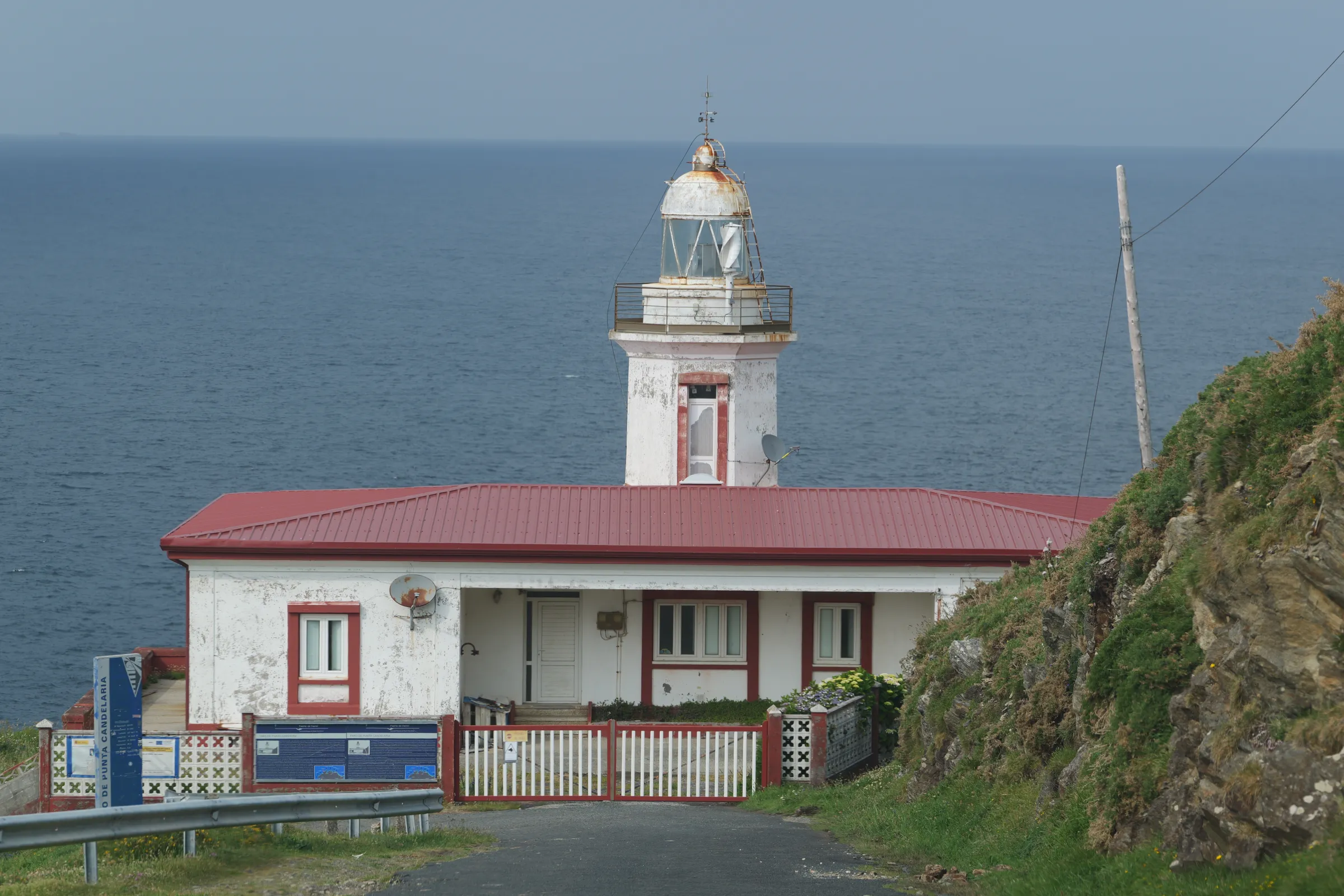
Galicia’s non-surf travel layer is one of Spain’s strongest cultural cards.
Santiago de Compostela. The end-point of the Camino de Santiago pilgrimage, a UNESCO World Heritage city with a granite old town and a cathedral that has been pulling pilgrims for a thousand years. 90 minutes from Pantín by car. Worth a half or full day for the cathedral, the old town, and a long pulpo lunch. The mid-day pilgrim mass at the cathedral is one of the more atmospheric experiences in Europe.
A Coruña and Ferrol. A Coruña is a working Atlantic port with a 2,000-year history (the Tower of Hercules is a Roman lighthouse still in use). The food scene around Riazor and the city centre is excellent: pulpo a la gallega, grilled scallops, percebes (gooseneck barnacles) when in season, all paired with Albariño wine. Ferrol is the smaller naval port, 30 minutes from Pantín, more workmanlike. For a half-day off, A Coruña is the better choice.
Galician food and wine. Pulpo a la gallega (octopus with paprika and olive oil), empanada gallega (savoury fish or meat pie), percebes (gooseneck barnacles), tarta de Santiago (almond cake from Santiago), Albariño white wine from the Rías Baixas, Godello from the Ribeira Sacra. Most camps’ meal plans include several regional dishes, but a meal out in a working harbour like Cedeira or Mugardos delivers an unfiltered version.
Costa da Morte road trip. The Coast of Death runs from A Coruña south to Cape Finisterre, 200 kilometres of cliff, headland, and shipwreck history. A flat-day road trip from Pantín to Cabo Vilán lighthouse, the village of Camariñas (lace-making tradition), and Cape Finisterre (the medieval end-of-the-world) covers the highlights. A long day, but Galicia’s most atmospheric drive.
Less than Cantabria. Galicia’s waves are more powerful and the coastline is more exposed, so the learning curve is steeper. That said, summer Pantín (June to August) on a 1-metre day works for absolute beginners, and the surf schools at Alawa and Laola are well-run. For an adult first-timer, Cantabria (Somo, Loredo) is gentler. For families with kids 8 to 16, Alawa Pantín is the only Spanish camp running a serious junior programme and is the right choice.
September to November for the headline season: powerful autumn groundswell, water still 16 to 18 °C, lineups quieter than summer. The Pantín Classic happens late August into September if you want to see professional surfing in the region. Summer (June to August) is gentler with smaller cleaner days, suited to beginners and intermediates. Winter (December to February) is wild and committed: 5/4 wetsuit territory.
Alawa Pantín for a social hostel format with weekly programmes, shared dorms or private rooms, and a strong junior programme for kids 8 to 16. Laola for a smaller, more boutique setup with private and twin rooms and a calmer house atmosphere, suited to intermediate-leaning travellers and couples. Both camps are 5 minutes apart and both work the same Pantín-Frouxeira-Doniños spot rotation.
Budget: €380 to €550 for a 7-night shared-dorm package with three meals, daily lessons, surf gear and airport transfer. Mid-range: €550 to €900 in a private room. Add €70 to €180 for European return flights and €100 to €200 for incidentals (food out, day trips, fuel for self-driving). Most travellers land at €700 to €1,100 all-in for a Galician week.
Cantabria is the gentlest of the three for beginners and the easiest single-airport access. The Basque Country has the most wave variety (Mundaka, Zarautz, Sopelana) plus the best food culture in Spain. Galicia has the emptiest lineups, the strongest cultural distinctness, and the most powerful conditions, but is the coolest water and the least beginner-suited. For a first surf trip, Cantabria. For variety and pintxos, the Basque Country. For empty waves and Atlantic raw, Galicia.
A professional surf contest at Praia de Pantín that has run since 1988. Currently a Qualifying Series event on the World Surf League circuit. Late August into early September. The contest brings the international surf scene to Pantín for a week and the bay gets crowded both in and out of the water. If you want a quiet Galician trip, avoid the contest week. If you want to watch professional surfing for free on a beautiful Atlantic beach, time your trip around it.
Not strictly. Both Alawa and Laola offer airport transfers and can shuttle to the local Pantín-Frouxeira-Doniños rotation in their own vans. But a rental car opens up the Costa da Morte (Razo, Nemiña, Lires) and the Camino de Santiago day trips, plus self-driven food stops in fishing villages. Rental at A Coruña or Santiago is €30 to €60 per day. For a one-week stay near Pantín, no car is fine. For two weeks or for the Costa da Morte, a car is worth it.
Yes. Galicia is a safe region of Spain with low tourist crime. The local surf community is welcoming, English is reasonably spoken at the camps and in A Coruña, and Spanish basics open most doors. Both camps run social formats so solo travellers integrate quickly. The water itself is the main risk factor, more than anything human: the surf is more powerful than Cantabria, so respect the conditions and the local lineup advice.
For broader regional context covering the Basque Country and Cantabria alongside Galicia, see our Northern Spain surf guide. To compare the seven Spain surf camps with prices and live availability, visit the Spain surf camps directory or the Spain destination guide.

 English
 Français
  Deutsch
  Español
  Italiano