

 English
 Français
  Deutsch
  Español
  Italiano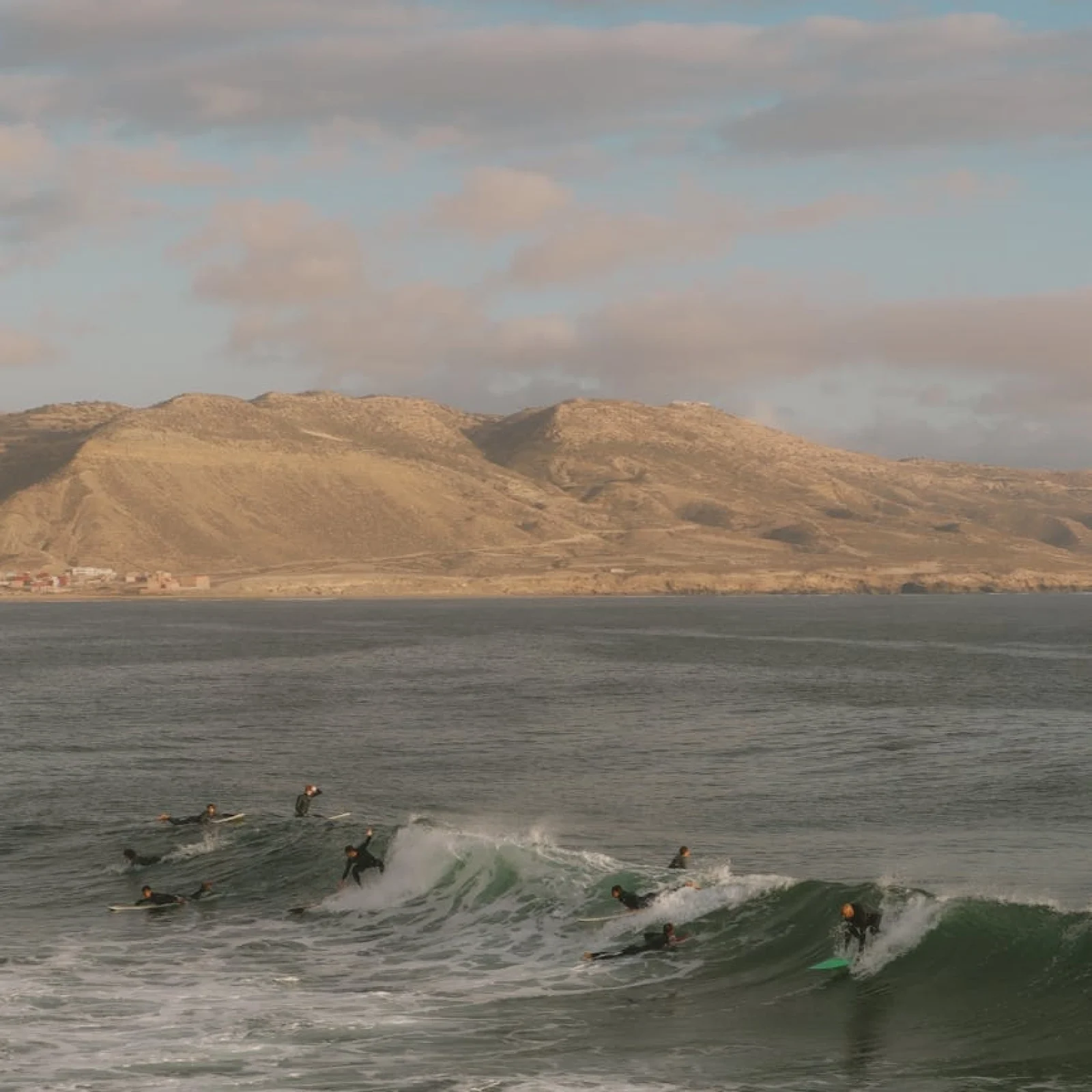
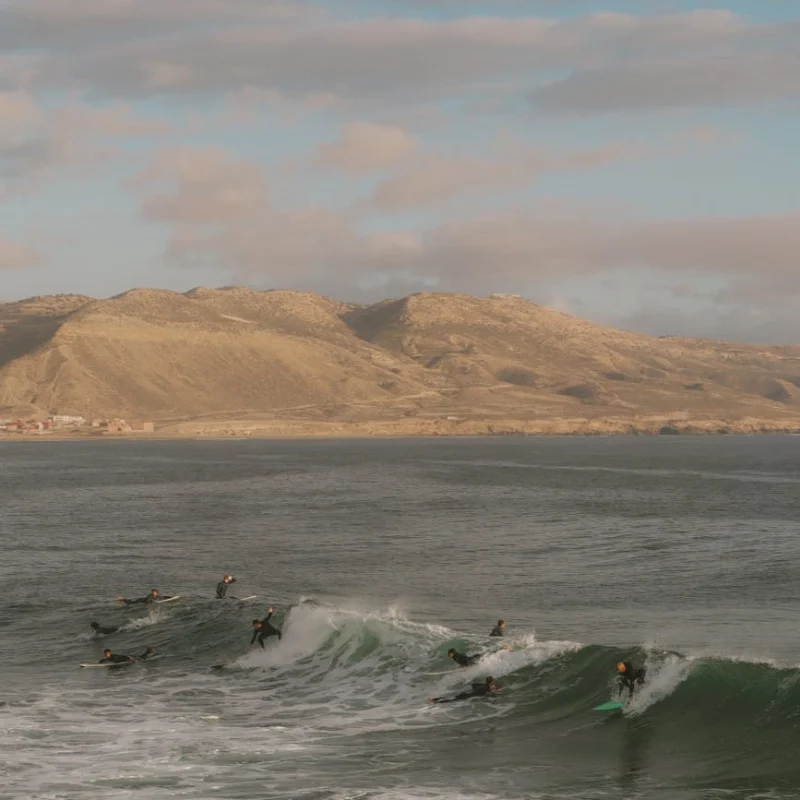
If you’ve been dreaming of long, peeling waves and a surf-friendly climate, Imsouane in Morocco might already be on your radar. This laid-back coastal town is known for its stunning scenery, welcoming locals, and two main surf spots located just a short walk from each other. One of the most fascinating things about Imsouane is how the tide changes the waves, sometimes dramatically, making timing a real game-changer for anyone hoping to catch the best ride of the day. In this post, we’ll explore how tides influence surfing conditions here, offer some personal stories to show what a day of surfing might look like, and share tips to help both beginners and advanced surfers plan memorable sessions.
Introduction: Why Tides Matter So Much in Imsouane
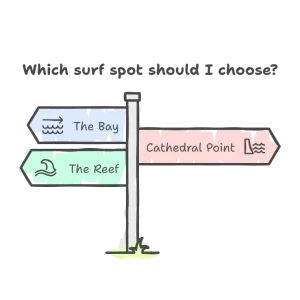
In many surf destinations around the world, you’ll find waves that are fairly predictable, with smaller shifts in size or shape depending on the tide. Imsouane, however, is special because the tide can flip conditions from almost flat to world-class in just a few hours. According to research on Imsouane surf spots, the two main breaks, The Bay and Cathedral Point, each have their own “sweet spot” in terms of tidal range. There’s also a lesser-known break called The Reef that adds even more variety.
But why does this matter? Because missing the right tide window in Imsouane could mean missing the very best waves. On the flip side, if you time it correctly, you can catch rides that stretch for hundreds of meters. It’s the difference between a quick session that leaves you wanting more and a surf day you’ll remember for years.
A Quick Overview of Imsouane’s Surf Spots
Before zeroing in on tide specifics, it helps to know what each break offers.
The Bay
- Type of Wave: Gentle, long right-handers
- Ideal Tide: Low to mid
- Best For: Beginners, intermediates, and anyone who loves endless rides
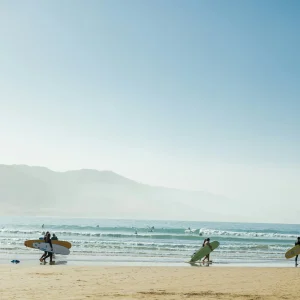
The Bay is often called one of Africa’s longest waves. When conditions are just right, surfers can enjoy rides of over 90 seconds. At low tide, the waves stand up nicely, offering an easy takeoff and a friendly shoulder. This is where you’ll see plenty of surf schools, beginners, and longboard enthusiasts all sharing the same mellow lineup.
Cathedral Point
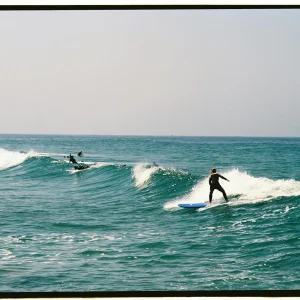
- Type of Wave: More powerful, with hollow sections
- Ideal Tide: Works across various stages, though it often pairs best with mid tide when combined with the right swell and wind
- Best For: Advanced surfers, shortboarders, bodyboarders
Cathedral Point sits on the northern peninsula, where winter swells from the North Atlantic can roll in strong. When a northwest swell meets offshore easterly winds, you can expect punchy, barreling waves that favor surfers with solid experience. It’s less forgiving than The Bay but can deliver a real adrenaline rush.
The Reef
- Type of Wave: More powerful reef break
- Ideal Tide: Rising high tide
- Best For: Intermediate to advanced surfers who can handle faster, steeper sections
The Reef doesn’t get as much attention as The Bay or Cathedral Point, but it’s a favorite among locals who know how to handle a reef break. During a rising high tide, this spot can produce some seriously fun waves with more push and shape than you might expect, given its relatively small takeoff zone.
Tidal Shifts and Their Influence on Imsouane’s Waves
Low Tide: Early Bird Advantages
A big perk of surfing The Bay at low tide is that it’s less crowded in the early morning. You can stroll down before breakfast and find lines of clean, gentle waves waiting for you. Personally, if I notice that low tide hits around sunrise, I’ll wake up early and head straight to the beach. There’s a real magic to catching those first rides while most folks are still asleep. After an hour or two in the water, I’ll head back to my surf camp for a well-deserved breakfast.
One of the joys of Imsouane is that The Bay and Cathedral Point are only about a five-minute walk apart. That means if The Bay’s low tide session was epic, you can rest a bit, check the waves from a local café, and then wander over to Cathedral Point if it’s showing promise. On a good day, it’s entirely possible to surf three times: an early morning session, a midday session, and an afternoon session, with a nap in between.
Mid Tide: The Transition Zone
Mid tide can bring out a more energetic side to The Bay. The wave picks up a bit more speed, allowing intermediate surfers to practice maneuvers while still enjoying the wave’s length. If the swell is decent, you might get shoulder-high sets that peel long enough for you to work on your turns.
Cathedral Point can also light up at mid tide, especially if the wind is right. According to local insights, combining a rising mid tide with a northwest swell can lead to some of the area’s punchiest waves. If you’re an advanced surfer looking for a bit more challenge, Cathedral Point might be your go-to for a midday session.
High Tide: The Reef’s Time to Shine
During high tide, The Bay often goes flat, but The Reef comes alive. Reports indicate that The Reef’s best conditions occur as the tide transitions to high. The added water depth over the reef keeps the break safer and more workable. Just be aware that reef breaks demand a bit more confidence and awareness, especially if you’re not used to surfing over rock or coral.
Seasonal Variations in Imsouane
Winter Months (November to March)
Winter is prime time in Imsouane, thanks to consistent swells rolling in from the North Atlantic. During these months, Cathedral Point can really turn on, offering hollow sections for experienced surfers. Meanwhile, The Bay still delivers those famously long rides, but with added size and power that can make it more exciting for intermediates looking to step up their game.
Low tide in the morning during winter can be magical. Picture clean, organized lines rolling in, minimal wind, and plenty of space to perfect your style. Later in the day, a bit of onshore breeze might show up, so aiming for morning sessions is a good bet.
Summer Months (June to September)
Summer sees smaller swells, but Imsouane’s geography still manages to capture enough energy to keep surfers happy. In these calmer conditions, paying attention to the tide is even more important. The Bay can go from barely rideable at high tide to perfect for longboarding at low tide, all within a matter of hours. If you’re new to surfing, summer can be a great time to learn the basics in friendlier waves.
Daily Planning: Making the Most of Your Surf Sessions
Example Day in Imsouane
- 6:00 AM: Wake up if the low tide is early. Head straight to The Bay for uncrowded waves.
- 8:30 AM: Return to your accommodation or local café for breakfast. Enjoy a coffee while watching the surf from the terrace.
- 10:30 AM: Nap or chill if the tide is changing and waves are not at their best.
- 12:00 PM: Check the waves again. If the tide is moving toward mid or high, consider Cathedral Point or The Reef.
- 2:00 PM: Lunch break. Fresh fish is a local specialty, give it a try!
- 4:00 PM: Catch an afternoon session. Depending on the tide, you might return to The Bay or test your skills at Cathedral Point.
- 6:00 PM: Wrap up the day by watching the sunset over the ocean.
This routine is one of the biggest draws of Imsouane. Everything is close enough that you can surf multiple times, rest in between, and never feel rushed.
Matching Your Skill Level to the Right Tide
Beginners
- Spot: The Bay
- Tide: Low to mid
- Reason: The wave is softer and easier to catch, allowing plenty of time to stand up and practice basic maneuvers.
If you’re brand new to surfing or still getting comfortable, The Bay at low tide is a gentle playground. The wave speed is slower, and the water is relatively shallow (but safe). You can focus on balance and technique without worrying about a sudden closeout.
Intermediate Surfers
- Spot: The Bay or The Reef
- Tide: Rising mid tide at The Bay, rising high tide at The Reef
- Reason: A bit more punch and shape to the waves, helping you improve your turns and timing.
As you progress, you’ll want a wave that has a bit more energy. Mid tide at The Bay can offer that extra boost, while still giving you the forgiving shoulder length that makes it famous. If you’re feeling confident, consider trying The Reef at a rising high tide, just be prepared for faster sections.
Advanced Surfers
- Spot: Cathedral Point or The Reef
- Tide: Flexible, but often mid tide for Cathedral Point and rising high tide for The Reef
- Reason: More powerful waves that allow for aggressive maneuvers and barrels when conditions align.
If you’ve got solid experience, you’ll probably gravitate toward Cathedral Point, especially if the swell is coming in strong. Local forecasts indicate that combining a solid northwest swell with offshore winds can produce hollow, barreling sections. The Reef, meanwhile, can be a treat on a rising tide if you’re looking for a shorter but punchy wave with some steeper drops.
Quick Reference Table: Tide Preferences by Spot
| Surf Spot | Ideal Tide | Wave Character | Skill Level |
|---|---|---|---|
| The Bay | Low to Mid | Long, gentle right-handers | Beginner to Intermediate |
| Cathedral Point | Mid (with right swell) | Powerful, hollow sections | Advanced |
| The Reef | Rising High | Reef break with steeper drops | Intermediate to Advanced |
Use this table as a handy snapshot when planning your sessions. Keep in mind that wind and swell direction also matter, so always check a reliable forecast before heading out.
Surf Equipment Tips for Each Tide
The Bay
- Optimal Boards: Longboards and mid-length boards
- Why: These boards make the most of those long, slower waves, helping you maintain speed through extended sections.
When The Bay is firing at low tide, you can literally ride a wave for what feels like an eternity. A longer board helps you catch waves more easily and stay in the pocket, which is where all the fun happens.
Cathedral Point
- Optimal Boards: Shortboards and performance-oriented boards
- Why: The wave can be fast and hollow, so you’ll need quick maneuverability and a board that can handle steep drops.
If you love hitting the lip or pulling into barrels, a shortboard or bodyboard might be your best friend here. According to this spot guide, you’ll want to be comfortable making split-second decisions, as Cathedral Point can be less forgiving than The Bay.
The Reef
- Optimal Boards: Hybrid shortboards or step-ups
- Why: The reef adds extra power to the wave, so you need a board that balances paddle strength with performance.
A step-up board or a slightly longer shortboard can help you handle the faster takeoff. If the swell picks up, the reef break can get pretty intense, so it’s wise to bring equipment suited for more powerful waves.
Checking the Tide Tables
Because timing is everything in Imsouane, always consult a reliable tide chart. A good resource is the local tide website which offers daily updates on high and low tides. Tides usually shift by about 50 minutes each day, so you’ll need to adjust your schedule accordingly.
For example, if high tide is around 7:00 AM on Monday, it’ll be closer to 7:50 AM on Tuesday. Over the course of a week, those changes can turn your early morning session into a mid-morning one. This is where flexible planning comes in handy, maybe you surf first thing one day, and enjoy a relaxed breakfast the next, depending on the tide cycle.
Personal Experience: A Perfect Day with Multiple Sessions
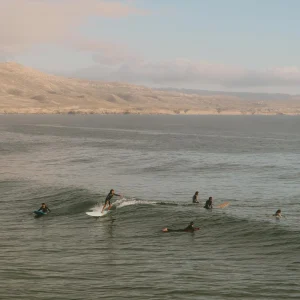
When the low tide in Imsouane hits around 6:00 AM, I’ll set my alarm for 5:30. It’s still dark, but the anticipation of that first wave is enough motivation to get me out of bed. By 6:15, I’m in the water at The Bay. The sun starts to rise, lighting up the coastline in soft oranges and pinks.
There’s usually a friendly vibe in the lineup, everyone’s there for the same reason. The waves at low tide peel slowly, giving you all the time in the world to stand up and line yourself perfectly for the next section. After an hour or two, it’s time to head back to the surf camp. I’ll grab a quick shower, then join other surfers for a big breakfast.
Around midday, if the tide is transitioning, I might wander over to Cathedral Point to see if the conditions are right. Some days, it’s absolutely pumping, and I can jump in for a quicker, more intense session. Other times, it’s still building, so I’ll chill at a local café and watch the sets roll in.
In the afternoon, if the tide is moving toward high, The Reef could be calling my name. If I’m feeling energized, I’ll paddle out there for a third session. On those days, you realize just how unique Imsouane is. Everything is within walking distance, and you can literally surf three different waves in one day, plus a nap in between if you like!
Another Handy Table: Surf Session Planner
| Time of Day | Likely Tide | Suggested Spot | Why |
|---|---|---|---|
| Early Morning | Low or rising low | The Bay | Mellow, uncrowded, perfect for warm-up |
| Midday | Mid tide | Cathedral Point | Can offer more powerful waves if swell aligns |
| Afternoon | Rising to High | The Reef | Works best with more water over the reef |
Use this as a rough guide. Always cross-check with an up-to-date forecast to make the best call.
Planning
If you’re planning a surf trip, you can expect consistent energy from the North Atlantic with reliable swells during the peak surf season. Local surfers often mention that wave quality in Imsouane is excellent when you time your sessions with the tide. Since high and low tides shift daily, it’s a smart idea to check the latest schedule on the local tide forecast before you head out.
Morning Low Tide Strategy:
If you catch a low tide early in the morning, head to The Bay first. This is when the water is calmer, the crowds are smaller, and the waves are gentler, perfect for starting your day.
Midday Check:
As the tide rises, take a moment to evaluate the conditions at Cathedral Point or The Reef. These spots may begin to perform as the tide transitions, offering a good mix of power and shape for various skill levels.
Afternoon or Evening High Tide:
When the tide moves toward high, The Reef often hits its stride, delivering waves that are both fun and challenging if the conditions are right.
Keep an eye on daily tidal shifts with the local tide forecast to plan your sessions and get the most out of your surf day in Imsouane.
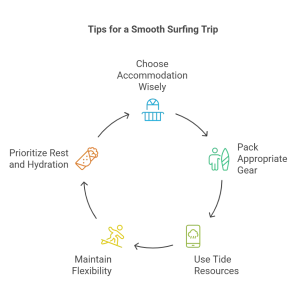
Tips for Making Your Trip Smooth
-
Stay Close to the Breaks
- Having accommodation near The Bay or Cathedral Point means you can check conditions from your balcony or while sipping coffee at a nearby café. That convenience is priceless in a place where timing is everything.
-
Pack the Right Boards
- If possible, bring both a longboard (or mid-length) and a shortboard. You’ll have more options depending on whether you surf The Bay, Cathedral Point, or The Reef.
-
Bring a Tide Chart or App
- Yes, you can check online, but having a dedicated app on your phone makes life easier. You can quickly see if the tide is shifting, so you don’t miss the best window.
-
Stay Flexible
- The wave conditions in Imsouane can change fast. If The Bay isn’t working at a particular time, Cathedral Point or The Reef might be going off. Keep your plans loose and be ready to adapt.
-
Take Time to Rest
- It’s easy to get excited and surf multiple sessions in one day. Remember to stay hydrated, eat well, and rest. Overdoing it can lead to fatigue, which impacts performance in the water.
Final Thoughts
Surfing in Imsouane is a real treat, especially when you sync up with the ideal tide for each spot. The Bay offers those dreamy, endless rides at low to mid tide, while Cathedral Point challenges advanced surfers at mid tide (paired with the right swell), and The Reef shines at rising high tide.
If you’re a beginner, low tide at The Bay can be the highlight of your trip, letting you practice in gentle, forgiving waves. For those seeking adrenaline, Cathedral Point and The Reef won’t disappoint when the conditions line up. No matter your skill level, you’ll find that the short distance between spots, the friendly local culture, and the variety of waves make Imsouane a place you’ll want to visit again and again.
Ready to plan your surf adventure in Imsouane? Check out the latest tide forecasts to see when conditions might be best. Also, consider browsing local surf camps or accommodations near the breaks, so you’re always just a few minutes from the water. Whether you’re a beginner chasing your first green wave or a seasoned surfer looking for a new favorite spot, Imsouane’s tidal shifts offer something truly special. Grab your board, time it right, and get ready for a surf experience that’s tough to beat.
