 By Steeve
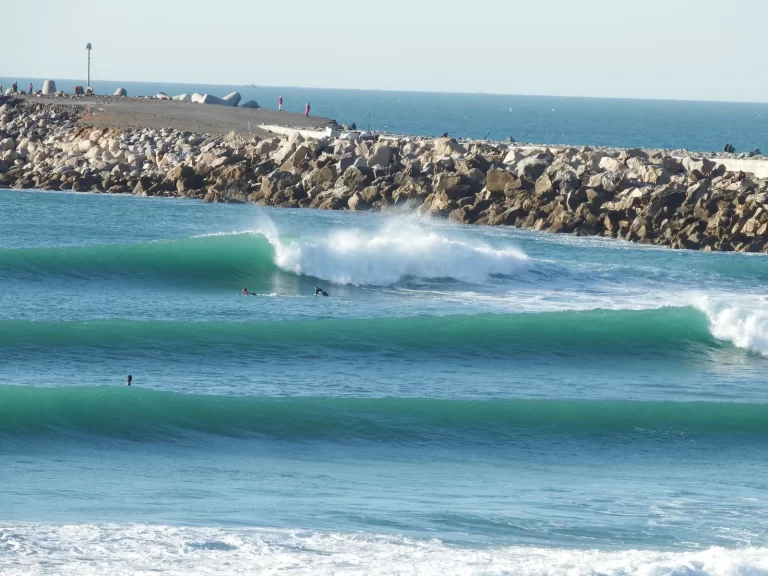
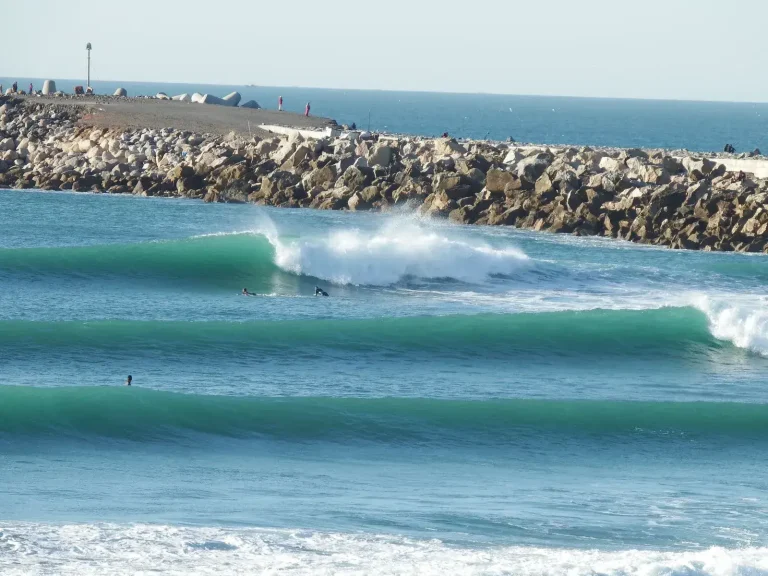
Taghazout is Morocco’s surf capital for a reason: 30 km of coastline holds more than ten named breaks, and you can hit most of them inside a 30-minute drive. Right-handers rule (this is point-break country), but you’ll also find beach breaks for first-time wax-ups and a few reef setups that’ll humble anyone. The NW swell window runs September through April, mornings come with offshore winds, and the water stays surfable year-round. Here’s the lay of the land, north to south, with the 10 best surf spots in Taghazout and how to pick the right one.
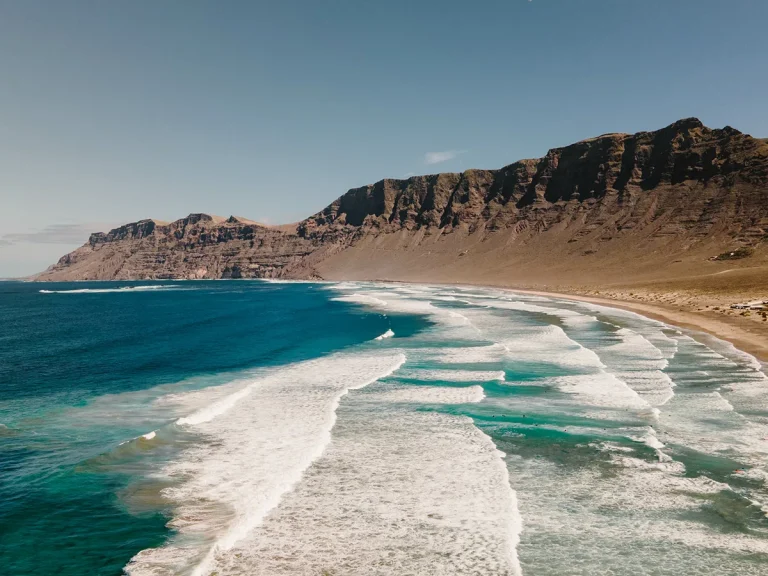
Picture a 35 km stretch of Atlantic coast running from Cap Ghir lighthouse in the north down to Anza on the outskirts of Agadir. Taghazout village sits roughly in the middle, with Tamraght and Aourir (banana country) just south. Every spot on this list is within that strip, and a rental car opens up the lot in under an hour of total driving.
Swells march in from the northwest. The dominant easterly trades blow offshore in the morning, which is why dawn patrol is the move here. Peak season runs from September to April, when long-period NW pulses light up the points. Summer drops down to knee-to-shoulder beach breaks, but it’s still very surfable for beginners and longboarders.
| Spot | Type | Best tide | Level | From Taghazout center |
|---|---|---|---|---|
| Boilers | Point break | Low + high | Advanced | 20 min drive north |
| Draculas | Point break | Low + high | Advanced | 20 min drive north |
| Desert Point (KM 25) | Point + beach | Low | All levels | 15 min drive north |
| Killer Point | Point break | Low + high | Advanced | 10 min drive north |
| La Source | Beach + reef | Low | Intermediate / Advanced | 10 min drive north |
| Anchor Point | Point break | Low + mid | Intermediate / Advanced | 10 min walk |
| Panorama | Beach + point | Low + mid | All levels | 5 min walk |
| Devil’s Rock (Imouran) | Beach break | Low + high | All levels | 10 min drive south |
| Banana Point | Point break | Low + high | All levels | 15 min drive south |
| Anza | Beach + reef | Low + high | All levels | 25 min drive south |
Heavy, hollow right-hander on a reef, 20 minutes north of Taghazout. Strictly for advanced surfers.
Type: Point break. Best tide: Low and high. Level: Advanced. Bottom: Reef.
Boilers sits just past Cap Ghir lighthouse, and the spot took its name from an old ship boiler that washed up on the rocks. When the NW swell lands big and offshore winds groom the face, it walls up into long, photogenic right-handers that hold size most of the rest of the coast can’t. Pros and serious chargers come here when everywhere else is maxing out.
Worth knowing: Sea urchins and sharp rock are part of the deal, so enter from the north side and wear booties if you’ve got them. Drop in late and you’ll pay for it. Base out of Taghazout or Aghroud and check the forecast before driving up.
The evil twin of Boilers, sitting right beside it. A heavy, photogenic barrel for anyone who can actually surf it.
Type: Point break. Best tide: Low and high. Level: Advanced. Bottom: Sharp reef.
“Dracs” breaks just before Boilers and demands a rock jump to get out. There’s no clean takeoff zone, the reef bites, and the wave doesn’t forgive a hesitation. But if you time the set, the barrel here is one of the cleanest on the Moroccan coast. This is the kind of wave surfers fly across continents to score, and only if they’ve already paid their dues somewhere heavy.
Worth knowing: Don’t paddle out unless you know you can. Watch a session from the cliff first, study the rock entry, and go on a forgiving tide before committing on a big day.
An under-the-radar fast right that works for most levels at low tide.
Type: Point and beach break. Best tide: Low. Level: All levels. Bottom: Mixed flat rock and sand.
Locals call it K25 (kilometer 25 on the coast road). The point side is rocky but gentle enough that the wave isn’t punishing, and the beach side next door is straight-up sand. Result: a fast, hollow right that intermediates can actually use, with a friendly beach break next door for whoever’s still learning. It’s the spot you go to when Anchor Point has 40 people in the lineup.
Worth knowing: Aghroud village is the closest place to base, quieter than Taghazout proper, and only a few minutes from the water. Best on dropping low tides with a clean NW pulse.
Long right-hander with a left at low tide, 10 minutes north. Named after orcas that occasionally cruise past.
Type: Point break. Best tide: Low and high. Level: Advanced. Bottom: Reef.
Killers is the go-to when Anchor Point is packed shoulder to shoulder. From the cliffs it looks smaller than it is, but paddle out and you’ll find a wave that holds real size. At low tide a left fades in before the right wakes up and runs through several sections. The cliff walk in at low tide is straightforward; on a higher tide you’re paddling a hundred meters from a different entry.
Worth knowing: Cliff sunsets here are some of the best on the coast. Bring a wetsuit hood in winter; the cliffs block the morning sun for a while.
Rare strong left over reef, named after the freshwater source dripping off the cliff above it.
Type: Beach and reef break. Best tide: Low. Level: Intermediate to advanced. Bottom: Reef.
Most of Morocco’s good waves go right. La Source goes left, which makes it a small obsession for goofy-footed travelers passing through. The wave breaks over rocky reef and you can see Killer Point peeling off to your right from the lineup. It’s not a beginner spot, but a confident intermediate with reef experience can definitely score here on the right swell.
Worth knowing: Low tide drains the impact zone enough to show you what you’re dealing with. Walk the rocks at low water once before paddling out so you know your exit.
Morocco’s most famous wave. A long, fast right that’s been on every surf magazine cover since the 1960s.
Type: Point break. Best tide: Low and mid. Level: Intermediate to advanced. Bottom: Reef.
A 10-minute walk from the center of Taghazout puts you above one of the most consistent right-handers in the country. Anchors loves a long-period NW swell and can hold serious size when it gets going. Australians first surfed it in the 1960s, and word travels: in winter you’ll share the lineup with surfers from every continent. The wave walls up cleanly and runs for hundreds of meters when conditions cooperate.
Worth knowing: It gets crowded, especially in smaller surf when everyone fits on the same peak. Show up at dawn, sit wide, or paddle down the point as the session spreads out. If you want the same swell minus the crowd, Killers or Panorama are five minutes away.
A friendly beach + point combo right in town, named after the restaurant that overlooks it.
Type: Beach and point break. Best tide: Low and mid. Level: All levels. Bottom: Sand with a small point.
Panorama is where Taghazout surf schools take beginners and where intermediates come when Anchor Point is too much. The wide sandy beach gives you forgiving lefts and rights to fall off, and on a clean NNW swell the small point at the end wakes up with crisp right-handers for the more advanced crew. It’s the most versatile wave in the village.
Worth knowing: The restaurant up top is a legit lunch spot. Surf the morning, eat, check the cams, surf the afternoon glass-off. Stays workable on smaller days when nothing else has size.
Sandy beach break 10 minutes south of Taghazout. Year-round, beginner-friendly, easy vibe.
Type: Beach break. Best tide: Low and high. Level: All levels. Bottom: Sand.
Walk 10 minutes from Tamraght and you’re at one of the most consistent beginner spots on the coast. A solid right-hander runs the length of the beach with playful lefts joining in at high tide. The sand bottom means you can wipe out without thinking about it, which is exactly what you want when you’re working on bottom turns. Locals hang out at the cafes overlooking the beach, and the fish restaurant on the sand is worth the post-surf walk.
Worth knowing: Weekends bring families and surf-school groups, but the vibe stays low-key. Skip it when the swell goes big; the wave folds rather than walling. Spiders breaks nearby for the experienced crew, with Banana Point to the left.
Right-hander tucked between Aourir’s banana fields and the sea, with two satellite breaks (K11 and K12) on either side.
Type: Point break. Best tide: Low and high. Level: All levels. Bottom: Mixed.
Banana Point gets its name from the banana plantations in Aourir village, which sits just inland. The main wave is a clean right-hander peeling off a small cliff (photographers love this one), with K11 and K12 picking up swell on bigger days. Right + left options keep it interesting for all levels, and the cliff makes parking and shooting a non-issue. It’s also the favorite longboard spot in the area.
Worth knowing: Avoid surfing here right after rain; the river dumps runoff that turns the water brown. Hungry? Aourir village (a hundred meters away) is the tagine capital of the coast.
The reliable one. Works when the others go flat, on the doorstep of Agadir.
Type: Beach and reef breaks. Best tide: Low and high. Level: All levels. Bottom: Reef plus sand.
Anza is exposed enough that it pulls in swell when Taghazout and Tamraght are knee-high and uninspiring. On the reef side you get a peaky, steep left; on the sand side a softer, peeling right with room for everyone. The middle section connects on the right day. It’s not glamorous, but on flat weeks across the rest of the coast, this is the spot that saves your trip.
Worth knowing: Best at high tide for the reef section. Drive down for a session, then grab lunch in Agadir before heading back to Taghazout. The reef gets gnarly at low water, so keep an eye on the tide chart.
Ten spots is a lot to choose from. Here’s how to pick based on where you’re at:
First-timers and beginners: Panorama, Devil’s Rock, Banana Point, and Anza. Sandy bottoms, forgiving waves, surf school territory.
Intermediates ready to step up: Desert Point on a clean low tide, Anchor Point on smaller days, La Source if you can handle reef and want a left.
Advanced and confident: Boilers, Draculas, Killer Point, and Anchor Point at proper size. Reef, power, and consequences. Bring booties.
Longboarders: Banana Point and Panorama. Long cruisy walls and easy paddle-outs.
Goofy-footers chasing lefts: La Source is the rare strong left, with the left at Anza as backup.
Peak season runs September through April, when NW swells fire up the points. November to February is the heaviest stretch (and also the busiest, especially around Christmas and New Year). October and March are the sweet spots: solid swell, fewer crowds, mild weather.
Summer (May to August) is the quiet stretch. Beach breaks still work, surf schools are in full swing, and beginners have a great time, but the points mostly nap. Water temperature ranges from around 17°C in winter to 21°C in summer, so a 3/2 wetsuit covers most of the year. A 4/3 with a hood helps in January if you’re sensitive.
Closest airport is Agadir (AGA), 30 minutes by taxi. Flying into Marrakech (RAK) is also common; figure 3.5 hours by road from there, often with a stop in Essaouira on the way. Need ground transport tips? Our Taghazout to Marrakech transport guide covers grand taxi, bus, and private transfer options.
For where to sleep: Taghazout village puts you walking distance from Anchor, Panorama, and Killers. Tamraght is calmer, with Devil’s Rock and Banana Point on your doorstep. Imouran and Aourir are quieter still. Browse surf camps in Taghazout on Waverick for packages that include lessons, surf guiding, and airport transfers.
Want to balance surf sessions with downtime? Pair your stay with mat time on the cliff: see why a yoga retreat in Morocco works well alongside a surf trip.
Panorama, Devil’s Rock (Imouran), Banana Point, and Anza all work for beginners. Sandy bottoms, forgiving walls, and active surf schools nearby. Panorama is the easiest if you’re staying in Taghazout village; Devil’s Rock is the pick from Tamraght.
September to April is the swell window. October and March give you the cleanest combo of consistent waves and lighter crowds. December and January bring the biggest pulses but also the most surfers in the lineup, especially around the holidays.
Crowded. On a clean weekend in winter you can count 40-plus surfers on the peak. The trick is going at dawn before the surf schools fire up, sitting wide on the shoulder, or paddling down the point as the wave spreads people out. If you want the same swell with fewer bodies, Killer Point and Panorama are minutes away.
Yes, year-round. Water sits around 17°C in winter and 21°C in summer. A 3/2 covers most of the year. In January, a 4/3 with a hood keeps you in the water longer. Booties help on the reef spots (Boilers, Draculas, La Source) but aren’t essential at the beach breaks.
Both are top-tier right-handers in the same stretch of coast, but Anchor Point is the famous one and the crowded one. Killer Point sits 10 minutes north, holds similar size, and adds a left at low tide. If Anchors looks like a parking lot from the cliff, drive up the road to Killers.
No. From Taghazout village you can walk to Anchor Point and Panorama in under 10 minutes. Killers and La Source are a short drive or a long beach walk. Everything north of there (Desert Point, Draculas, Boilers) and south (Devil’s Rock, Banana Point, Anza) needs a car or a taxi. A rental car for the trip is the best move.
Anza, every time. It’s the most exposed spot on the coast and pulls in swell when Taghazout and Tamraght look glassy and lifeless. Drive 25 minutes south to Agadir, get a session, and call your trip saved.
Sharks aren’t a real concern on the Taghazout coast. Killer Point is named after orcas that occasionally pass through (very occasionally, and they’re not interested in surfers). Sea urchins and sharp reef at spots like Boilers and Draculas are the more practical hazards to think about.

 English
 Français
  Deutsch
  Español
  Italiano